Kazuo Ohno transformed the trauma of war into a revolutionary new language of dance.
In short: A former soldier who witnessed the horrors of the Pacific theater, Kazuo Ohno became a central figure in Butoh, a radical Japanese dance movement. He believed that true performance did not require intellectual understanding from the audience, but rather a raw, emotional response that could move viewers to tears.
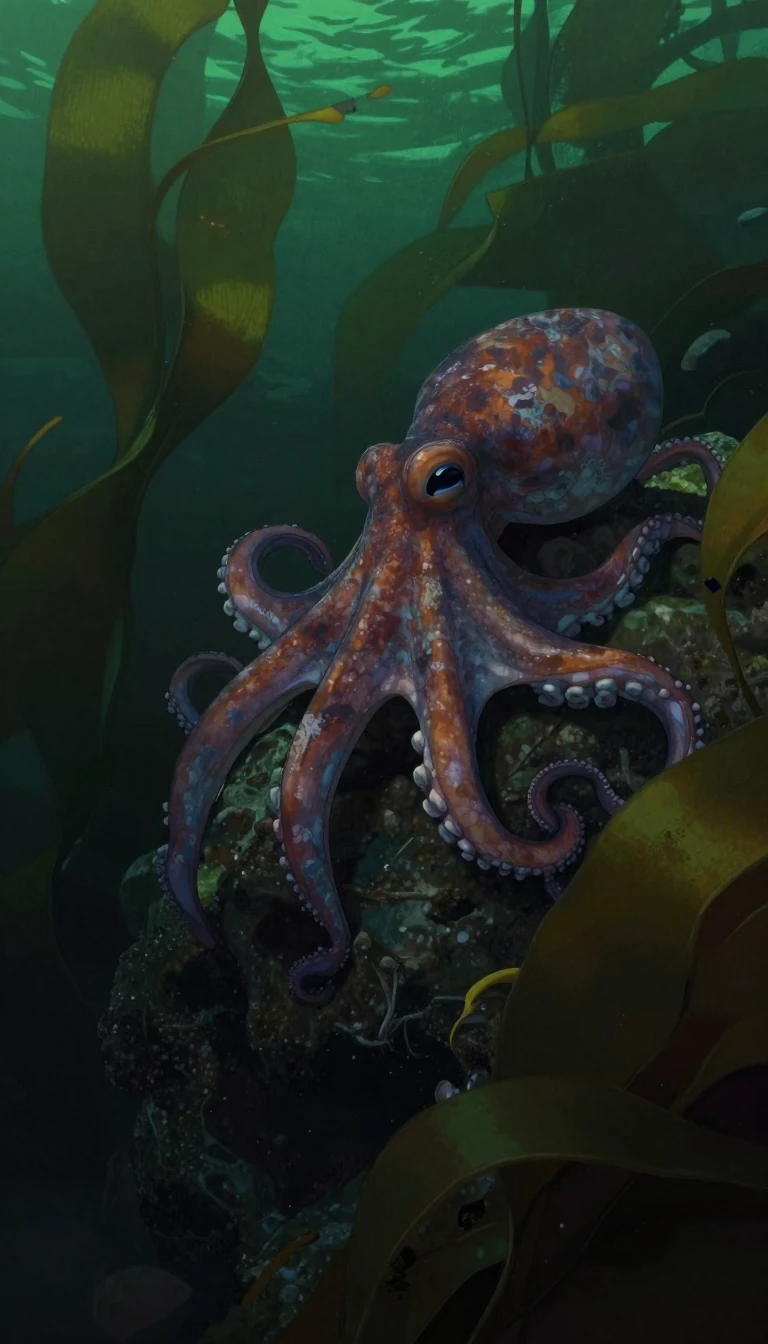
Born in 1906, Kazuo Ohno’s path to dance was unconventional. After graduating from an athletic college in 1929, he spent decades as a physical education teacher at a Christian high school in Yokohama. His artistic trajectory was interrupted by World War II, during which he served as a lieutenant and later a captain in the Japanese Army. His experiences in China and New Guinea, including witnessing burials at sea, left a profound mark on his psyche and eventually informed his choreography, most notably in his meditation on death, Jellyfish Dance.
Following the war, Ohno began collaborating with Tatsumi Hijikata, a visionary who sought to reject Western dance forms in favor of a new, distinctly Japanese vocabulary. Together with a collective, they developed the movement that Hijikata named Ankoku Butoh-ha in 1961. This style emerged from the turmoil of Japan’s postwar landscape, emphasizing a visceral, often dark, and deeply expressive physicality. Ohno’s solo work, such as the 1977 premiere of La Argentina Sho, brought him international acclaim, leading to tours across Europe and his American debut at New York’s La MaMa Experimental Theatre Club in 1981.
Ohno’s dedication to his craft remained steadfast even as he aged. A devout Southern Baptist, he continued teaching until he was 86. Even after losing the ability to walk in 2001, he adapted his performance style to focus on hand movements, continuing to appear on stage until his final public performance in 2007. By the time of his death in 2010 at age 103, he had established a lasting legacy through the Kazuo Ohno Dance Studio, which continues to archive his contributions to the art form. His work remains a testament to the power of movement to transcend language and logic, inviting audiences to simply feel the weight of the human experience.
Opens the Intellect+ feed with this card first. Swipe up for the next one.
Sources
- Summary by Intellect · source: Kazuo Ohno
To cite this card, link to https://intellectplus.co.uk/app/art-kazuo-ohno.
How we source, check and correct cards: Editorial standards.
General information, not professional advice. Spotted an error? Flag the card or see corrections and complaints.
Intellect Plus is a visual educational discovery platform for exploring fascinating facts and ideas. Brain Food, Not Brain Rot. What is Intellect Plus?
Related
More in Entertainers · More in Art · Latest · A–Z · All topics
