Kagura: The ancient Japanese ritual dance where the performer becomes a god
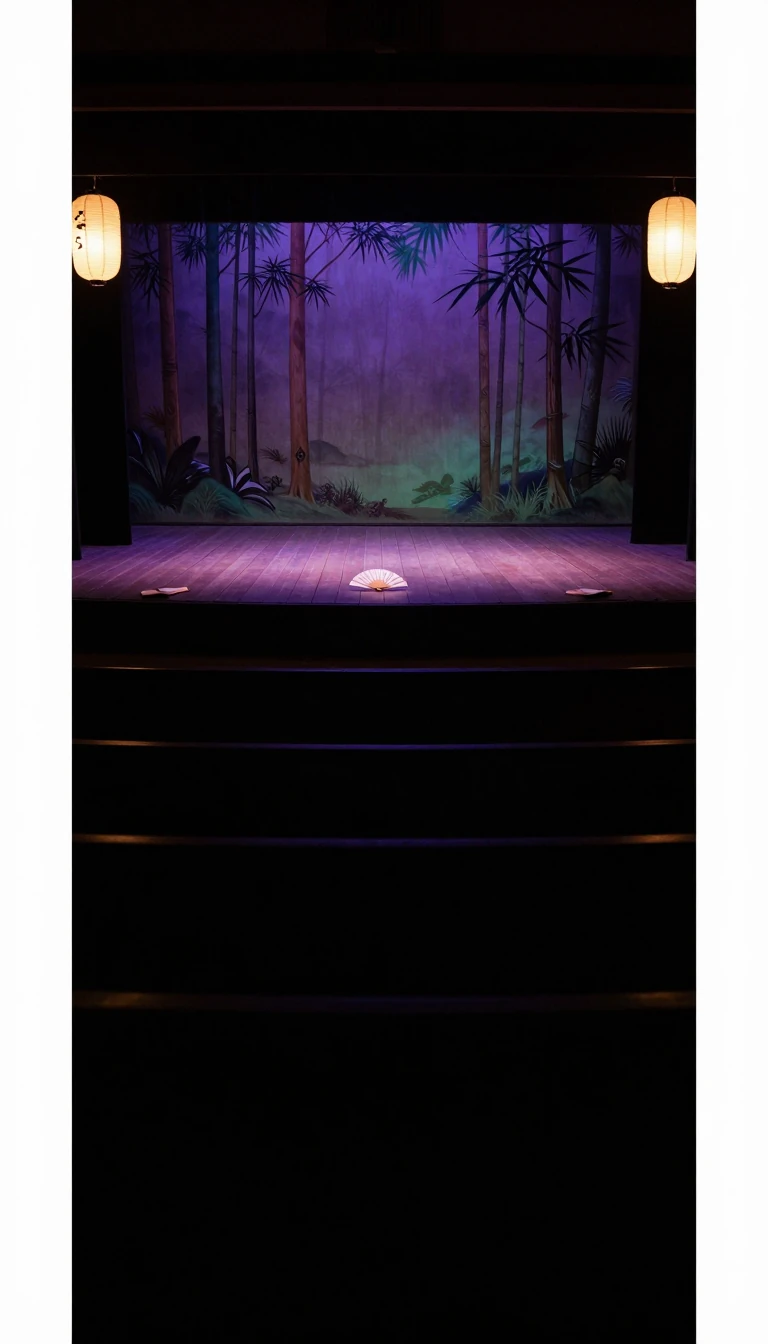
In short: Kagura is a Shinto tradition where dance serves as a bridge between humanity and the divine. Through rhythmic movement and trance, performers aim to channel deities, transforming themselves into vessels for oracles and blessings. From imperial courts to village festivals, this living art form has evolved for over a millennium.
At its core, kagura—meaning 'god-entertainment'—is a ritualized practice designed to invite the presence of kami, or deities. The tradition is rooted in the mythological tale of the sun goddess Amaterasu, who hid in a cave, plunging the world into darkness. According to the Kojiki and Nihon Shoki, the goddess Ame-no-Uzume coaxed her out with a wild, revelatory dance. This foundational myth frames kagura as a method of summoning the divine through performance, often involving a female shaman who enters a possessed state to receive messages from the gods.
The practice is broadly divided into two distinct phases: mai and odori. Mai is characterized by slow, elegant, circular movements intended to prepare the spirit, while odori involves energetic, spontaneous leaping that signifies the dancer’s transition into an unconscious, trance-like state. Historically, these dances were performed by shrine maidens known as miko, who utilized ritual tools like masks, spears, and gohei wands to facilitate this transformation. While originally a sacred, private affair at the Imperial court, the influence of these rituals eventually spread to the public, giving rise to a diverse array of folk traditions known as satokagura.
Today, kagura exists in many forms, ranging from the highly formal mikagura performed at the Imperial Sanctuary to secularized folk entertainment. Variations like the Hayachine Kagura, which emphasizes the ascetic power of Yamabushi, and the acrobatic Daikagura, which evolved into street performance during the Tokugawa shogunate, demonstrate the tradition's remarkable adaptability. Despite attempts to suppress certain theatrical forms in 1871, the resilience of civilian groups ensured that these dances survived. Whether through the lion-masked shishi kagura or the water-purifying yutate kagura, the practice remains a vital link to Japan’s spiritual and cultural history, with several forms now recognized as UNESCO Intangible Cultural Heritage.
Opens the Intellect+ feed with this card first. Swipe up for the next one.
Sources
- Summary by Intellect · source: Kagura
To cite this card, link to https://intellectplus.co.uk/app/ideas-kagura.
How we source, check and correct cards: Editorial standards.
General information, not professional advice. Spotted an error? Flag the card or see corrections and complaints.
Intellect Plus is a visual educational discovery platform for exploring fascinating facts and ideas. Brain Food, Not Brain Rot. What is Intellect Plus?
Related
More in Eastern religions · More in Ideas & Philosophy · Latest · A–Z · All topics
