How a Venetian opera house turned its history of arson into a brand identity
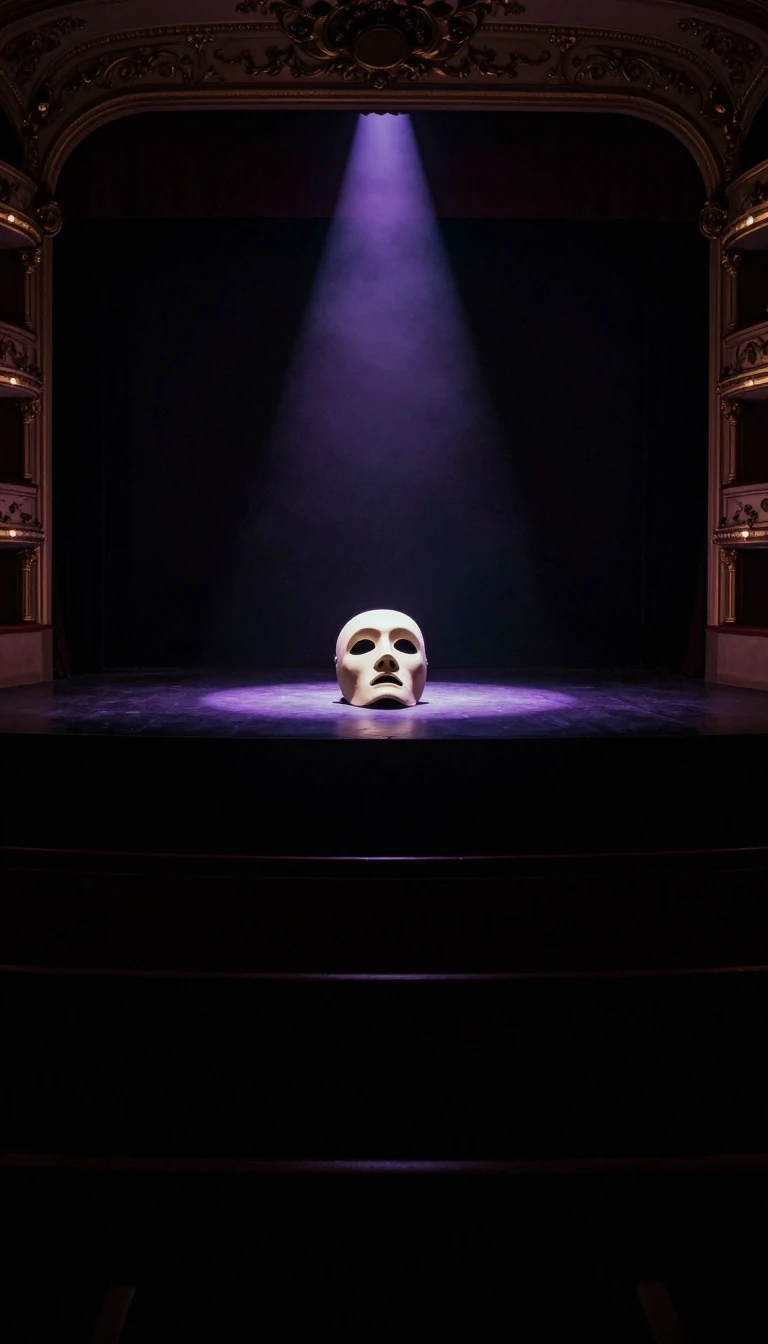
In short: La Fenice, or The Phoenix, has lived up to its name by rising from the ashes of three devastating fires. From its 1792 debut to its 2004 reopening, this legendary venue has survived arson and collapse, using a controversial philosophy of exact replication to preserve its soul against the passage of time.
The story of La Fenice began in 1792, born from a dispute between the Nobile Società di Palchettisti and the owners of the Teatro San Benedetto. Eager to reclaim their status, the association commissioned architect Giannantonio Selva to build a grander venue. They named it after the mythical bird that rises from its own ashes—a prophetic choice given the theatre's turbulent future. By the 19th century, it had become a premier stage for bel canto masters like Rossini, Bellini, Donizetti, and Verdi, cementing its reputation as a cornerstone of Italian opera.
The theatre's resilience was tested repeatedly. A heater malfunction caused the first major fire in 1836, destroying almost everything except the foyer. It was rebuilt in record time by the Meduna brothers, reopening in 1837. However, the most infamous incident occurred on 29 January 1996, when arsonists—two electricians facing financial pressure—set the building ablaze. The fire left only the perimeter walls standing, though the acoustics had been measured just two months prior, providing a crucial blueprint for the future.
Reconstruction followed the motto 'how it was, where it was,' a philosophy famously used for Venice's Campanile. Architect Aldo Rossi led the effort, using 19th-century materials like papier-mâché and wood to recreate the original Rococo aesthetic. The project cost approximately €90 million and took 650 days of around-the-clock labor. While the 2003 reopening was a triumph of craftsmanship, it sparked debate; critics like Dino Villatico dismissed the result as a 'kitsch' imitation, arguing that Venice should have embraced innovation rather than a replica. Despite these critiques, the house remains a testament to the city's stubborn commitment to its own history.
Opens the Intellect+ feed with this card first. Swipe up for the next one.
Sources
- Summary by Intellect · source: La Fenice
To cite this card, link to https://intellectplus.co.uk/app/art-la-fenice.
How we source, check and correct cards: Editorial standards.
General information, not professional advice. Spotted an error? Flag the card or see corrections and complaints.
Intellect Plus is a visual educational discovery platform for exploring fascinating facts and ideas. Brain Food, Not Brain Rot. What is Intellect Plus?
Related
More in Cultural venues · More in Art · Latest · A–Z · All topics
