From Prussian Theater to World-Class Concert Hall: The Evolution of Berlin's Gendarmenmarkt Landmark
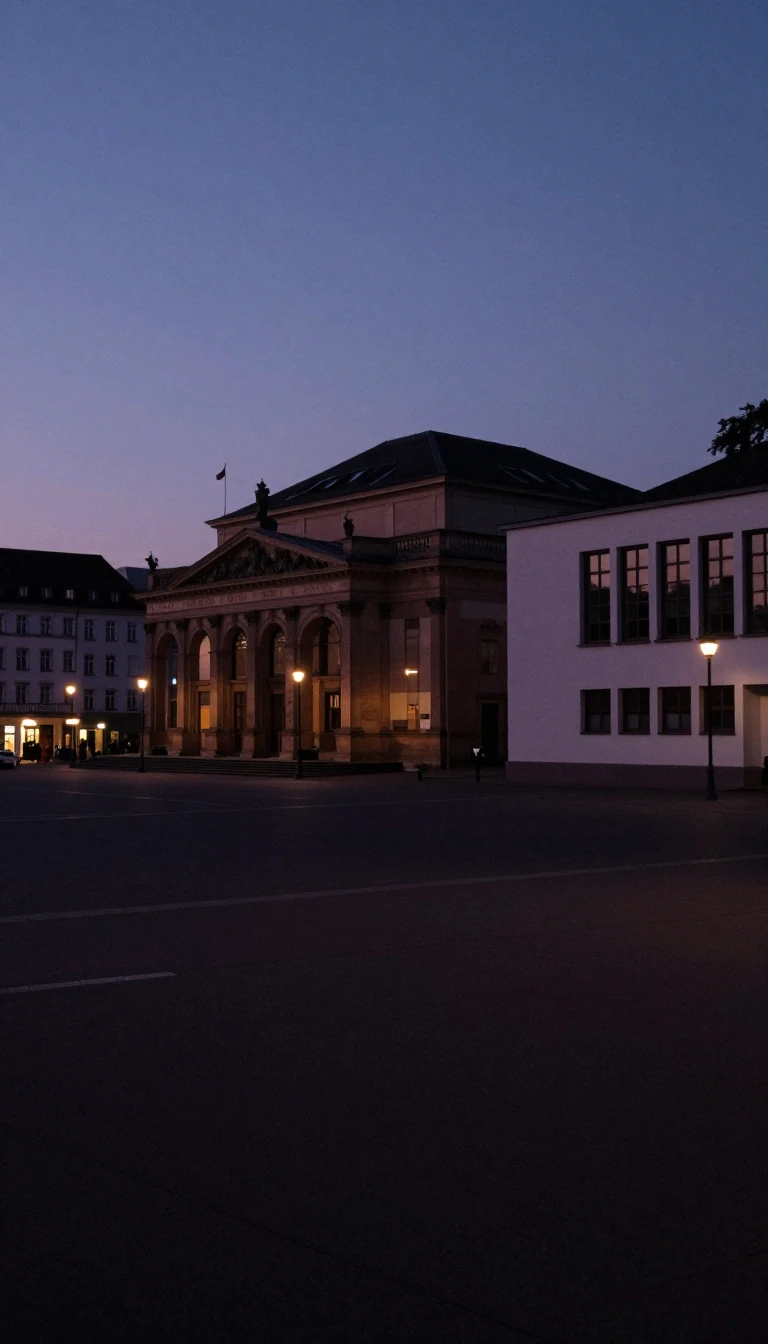
In short: The Konzerthaus Berlin stands as a masterpiece of neoclassical architecture, yet its history is far from static. Originally built as a theater in the early 19th century, this iconic venue has survived revolutions, war, and total reconstruction to become one of the world's most acoustically revered concert halls today.
The site of the Konzerthaus Berlin has long been a focal point of German cultural and political life. Its predecessor, the National-Theater, opened in 1802 but was destroyed by fire in 1817. The current structure, designed by Karl Friedrich Schinkel, was inaugurated on 18 June 1821 with the premiere of Carl Maria von Weber’s Der Freischütz. Throughout the 19th century, the building served as a premier stage for theatrical works, including premieres by E. T. A. Hoffmann, Heinrich von Kleist, and Gerhart Hauptmann. Beyond the arts, the building played a role in political history; during the 1848 Revolution, its main auditorium hosted the Prussian National Assembly for several weeks in September.
The 20th century brought profound changes. Following World War I, the venue became the Preußisches Staatstheater Berlin in 1919. Under the leadership of director Leopold Jessner, it became a powerhouse of the Weimar Republic. Even after the Nazi takeover in 1933, the theater remained active, with Gustaf Gründgens directing notable productions like Goethe’s Faust. However, the building was severely damaged during the Allied bombing raids and the subsequent Battle of Berlin. It remained in ruins for decades until a major reconstruction project began in 1977.
The building reopened in 1984 as a dedicated concert hall for the Berliner Sinfonie-Orchester. While the exterior was meticulously reconstructed to honor Schinkel’s original vision, the interior was adapted for its new acoustic purpose. The great hall features a massive pipe organ built by Jehmlich Orgelbau Dresden, containing 5,811 pipes. In 1994, the venue officially adopted its current name, Konzerthaus Berlin. By 2004, its acoustics were ranked among the top five in the world, cementing its status as a premier destination for classical music and international youth festivals like Young Euro Classic.
Opens the Intellect+ feed with this card first. Swipe up for the next one.
Sources
- Summary by Intellect · source: Konzerthaus Berlin
To cite this card, link to https://intellectplus.co.uk/app/art-konzerthaus-berlin.
How we source, check and correct cards: Editorial standards.
General information, not professional advice. Spotted an error? Flag the card or see corrections and complaints.
Intellect Plus is a visual educational discovery platform for exploring fascinating facts and ideas. Brain Food, Not Brain Rot. What is Intellect Plus?
Related
More in Cultural venues · More in Art · Latest · A–Z · All topics
