Asia's largest museum began as a Danish botanist's personal collection in 1814.
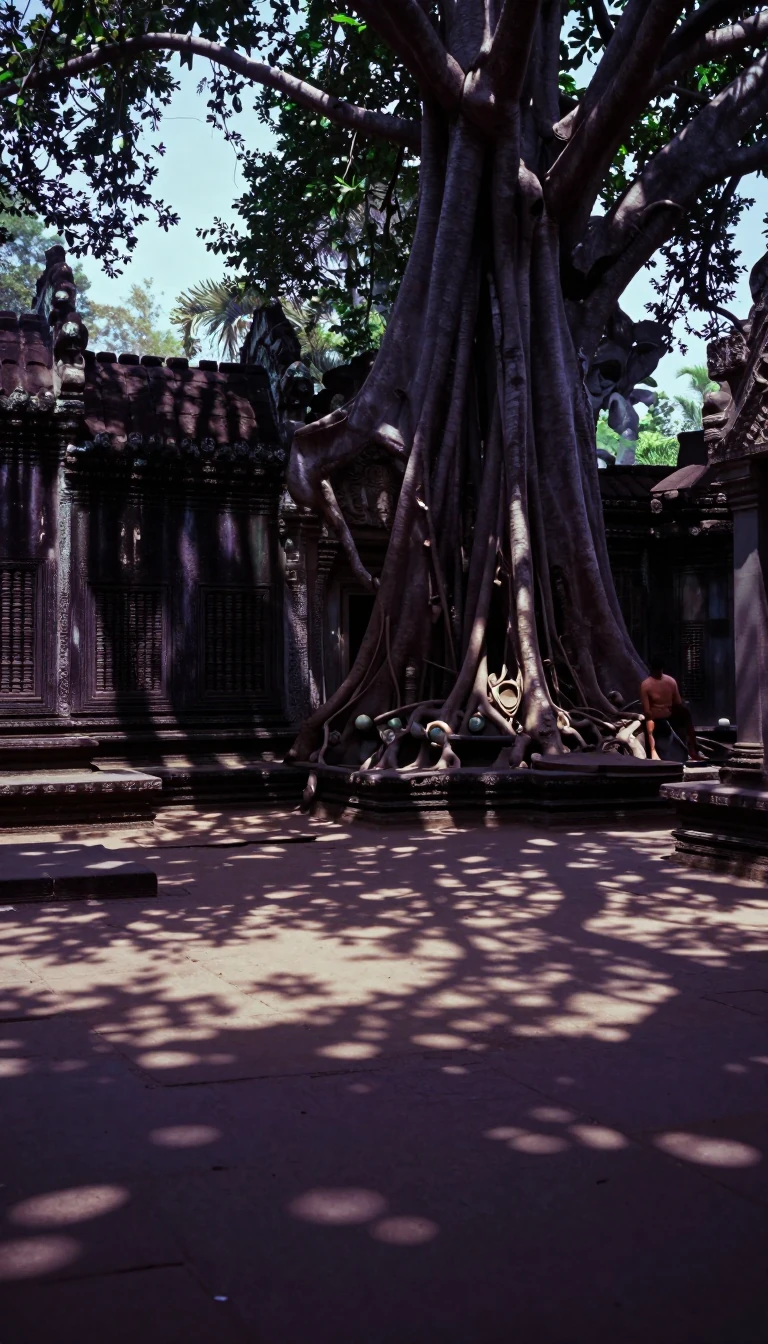
In short: Founded in Kolkata, the Indian Museum is the ninth oldest in the world. It evolved from a colonial-era society project into a massive multidisciplinary institution. Today, it houses everything from ancient Buddhist stupa railings to prehistoric fossils, serving as a landmark of India's transition into modernity and scientific inquiry.
The Indian Museum, formerly the Imperial Museum of Calcutta, traces its roots to the Asiatic Society of Bengal, established by Sir William Jones in 1784. By 1796, members envisioned a repository for natural and man-made objects. The project gained traction in 1814 when Nathaniel Wallich, a Danish botanist, proposed merging his private collection with the Society's holdings. Wallich served as the first curator, laying the groundwork for a multipurpose institution that would eventually span six sections and thirty-five galleries.
The museum's development was deeply intertwined with colonial scientific surveys. In 1836, following the insolvency of the Asiatic Society’s bankers, the government assumed financial responsibility for the curator's salary. By 1840, interest in geology led to dedicated state funding. This momentum eventually culminated in the First Indian Museum Act of 1866, leading to the construction of the current site on Jawaharlal Nehru Road, completed in 1875. The institution became a hub for the Geological, Zoological, and Anthropological Surveys of India.
Today, the museum is an autonomous organization under the Ministry of Culture, recognized as an institute of national importance. It holds a vast array of artifacts, including rare Mughal paintings, Egyptian mummies, and the Bharhut stupa railings. Under the leadership of its current director, Dr. Sayan Bhattacharya, the museum continues to manage its multidisciplinary mission, balancing its role as a historical repository with its status as a cornerstone of India's socio-cultural and scientific heritage.
Opens the Intellect+ feed with this card first. Swipe up for the next one.
Sources
- Summary by Intellect · source: Indian Museum
To cite this card, link to https://intellectplus.co.uk/app/science-indian-museum.
How we source, check and correct cards: Editorial standards.
General information, not professional advice. Spotted an error? Flag the card or see corrections and complaints.
Intellect Plus is a visual educational discovery platform for exploring fascinating facts and ideas. Brain Food, Not Brain Rot. What is Intellect Plus?
Related
More in Social scientists · More in Science · Latest · A–Z · All topics
