Operetta was the light, satirical, and melodic precursor to modern musical theatre
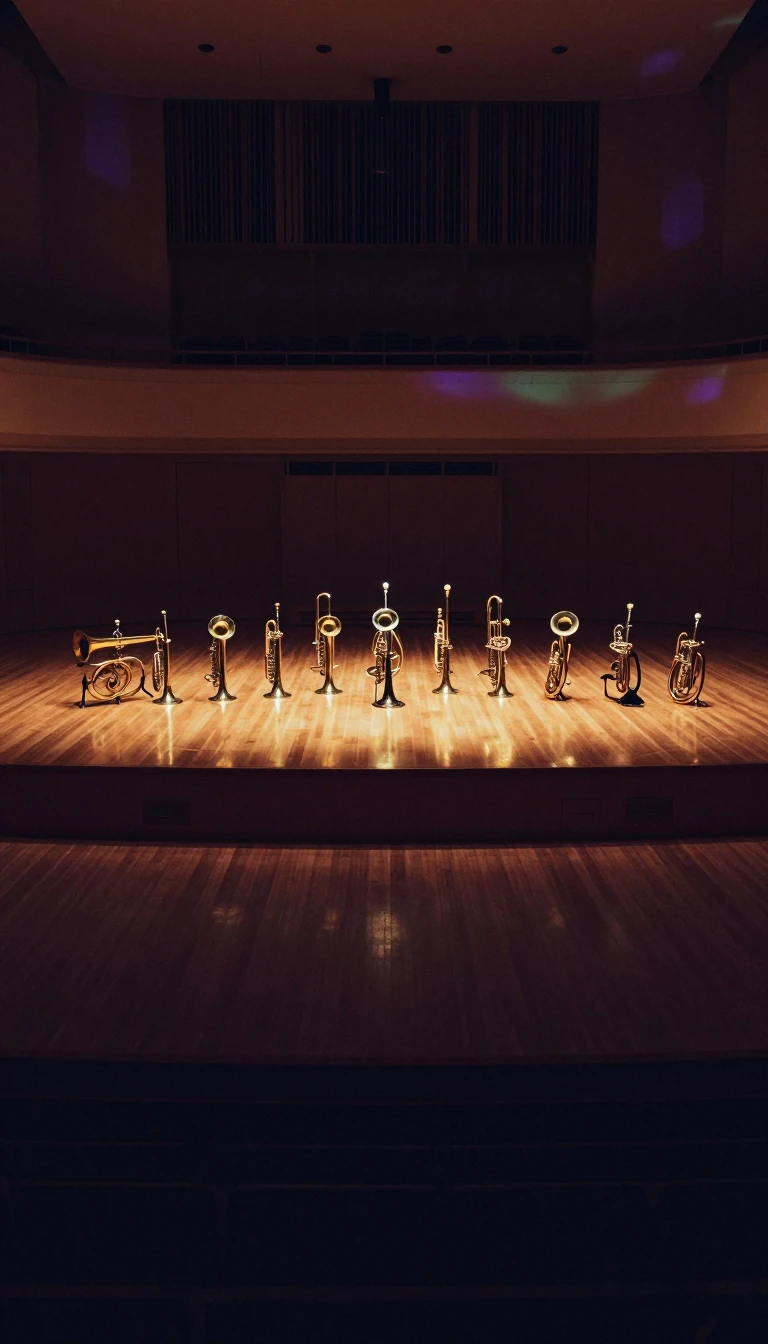
In short: Before musicals dominated the stage, operetta offered a blend of spoken dialogue, dance, and song. Born in mid-19th-century France, this genre provided a lighter, more accessible alternative to serious opera. From the Savoy Operas to avant-garde experiments, it shaped the evolution of musical performance for over a century.
Operetta emerged in Paris around 1850 as a reaction against the increasingly serious nature of the opéra comique. While the term 'comique' once implied a humanistic approach to real life, by the time of Georges Bizet's 1875 work Carmen, the genre had shifted toward tragic plots. Operetta returned to a simpler, more casual form, often featuring satirical commentary, mistaken identities, and romantic sentimentality. Scholars generally credit both Hervé and Jacques Offenbach as the architects of this new tradition, with Hervé laying the groundwork in 1842 and Offenbach later refining the art form.
In England, the partnership of W.S. Gilbert and Arthur Sullivan established a distinct national style. Sullivan, a classically trained composer who studied in Leipzig, brought melodic ingenuity to Gilbert’s satirical librettos. Their collaboration, managed by Richard D’Oyly Carte, produced a string of hits at the Savoy Theatre, including H.M.S. Pinafore (1878) and The Mikado (1885). These 'Savoy Operas' became international successes, though the pair’s creative relationship was occasionally strained by disagreements over the artificiality of the plots.
The genre’s influence extended into the 20th century, where it intersected with the avant-garde. In 1934, composer Virgil Thomson staged Four Saints in Three Acts, a work featuring a libretto by Gertrude Stein and striking cellophane sets by artist Florine Stettheimer. This production, which utilized an all-black cast, showcased how the spirit of operetta evolved into modern musical theatre. By the 1930s, however, the traditional operetta began to lose favor, eventually giving way to the modern musical, though its DNA remains evident in the works of composers like Jerome Kern and Richard Rodgers.
Opens the Intellect+ feed with this card first. Swipe up for the next one.
Sources
- Summary by Intellect · source: Operetta | History, Genre & Composers | Britannica
- Also: Art Institute of Chicago — Portrait of Virgil Thomson · CC0 (data); description CC BY 4.0
- Also: Operetta
To cite this card, link to https://intellectplus.co.uk/app/art-operetta.
How we source, check and correct cards: Editorial standards.
General information, not professional advice. Spotted an error? Flag the card or see corrections and complaints.
Intellect Plus is a visual educational discovery platform for exploring fascinating facts and ideas. Brain Food, Not Brain Rot. What is Intellect Plus?
Related
More in Theatre · More in Art · Latest · A–Z · All topics
