Scenic design is the art of building the world where a story unfolds.
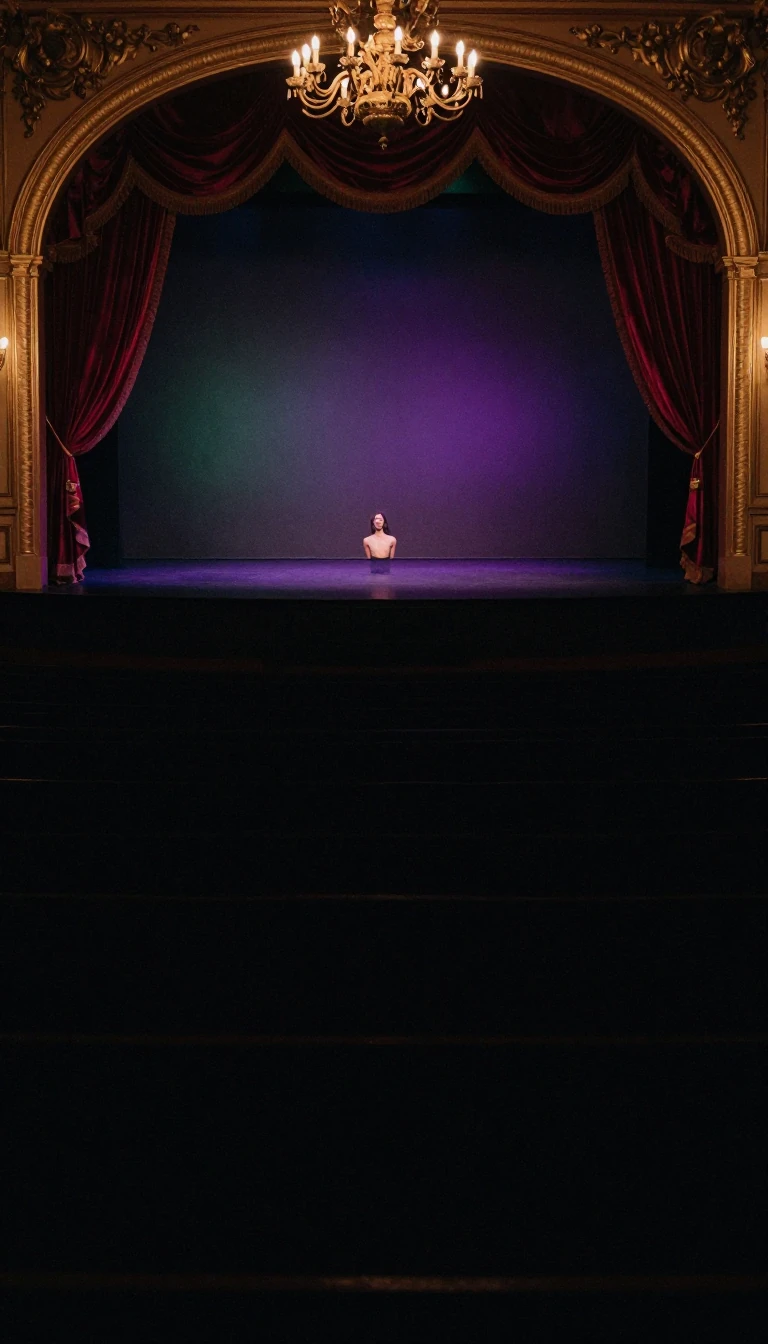
In short: Scenic design is far more than just painting backdrops. It is a collaborative, technical, and artistic discipline that shapes the physical environment of a performance. From ancient Greek amphitheaters to modern Broadway spectacles, designers act as co-creators, using light, space, and structure to define the emotional tone of every scene.
At its core, scenic design is the creation of a visual environment that supports a production's narrative. While the practice traces its roots to the basic props of ancient Greece, it has evolved significantly through the Renaissance and into the 20th century. Today, designers are increasingly viewed as co-creators who influence not just the physical set, but the pacing and tone of the performance. By working closely with directors and playwrights, they establish a visual concept that turns a stage into a living, breathing world.
The American approach to this craft underwent a major shift in the early 20th century with the New Stagecraft movement. Pioneers like Robert Edmond Jones and Norman Bel Geddes moved away from 19th-century naturalism toward abstraction, symbolic imagery, and mood-driven environments. This legacy of poetic realism, championed later by Jo Mielziner, prioritized emotional resonance over strict accuracy. Modern trends have since expanded to include massive, mechanized spectacles and kinetic sets, as well as minimalist, symbolic spaces that rely on digital projections to create depth and atmosphere.
The technical reality of the job is equally demanding. Designers must balance artistic vision with strict functional requirements, such as actor safety, accessibility, and the logistics of scene changes. They produce detailed floor plans, front elevations, and scale models to communicate their vision to technical directors and construction crews. While American designers often focus on the physical set, their European counterparts—frequently called scenographers—often integrate lighting, sound, and costume design into a single, cohesive vision. Whether through traditional carpentry or modern 3D CAD modeling, the designer's ultimate goal remains the same: to create the world through which the audience perceives the story.
Cultural differences further shape the field. In non-Western traditions, such as Japanese Kabuki or Chinese opera, designers often favor minimalism and symbolic color over the realistic representations common in Broadway musicals. This diversity highlights that scenic design is not a static set of rules, but a flexible language of space and light that adapts to the unique artistic sensibilities of every culture and production.
Opens the Intellect+ feed with this card first. Swipe up for the next one.
Sources
- Summary by Intellect · source: Scenic design
To cite this card, link to https://intellectplus.co.uk/app/art-scenic-design.
How we source, check and correct cards: Editorial standards.
General information, not professional advice. Spotted an error? Flag the card or see corrections and complaints.
Intellect Plus is a visual educational discovery platform for exploring fascinating facts and ideas. Brain Food, Not Brain Rot. What is Intellect Plus?
Related
More in Theatre · More in Art · Latest · A–Z · All topics
