The noisy, wooden secret behind centuries of stage-bound physical comedy
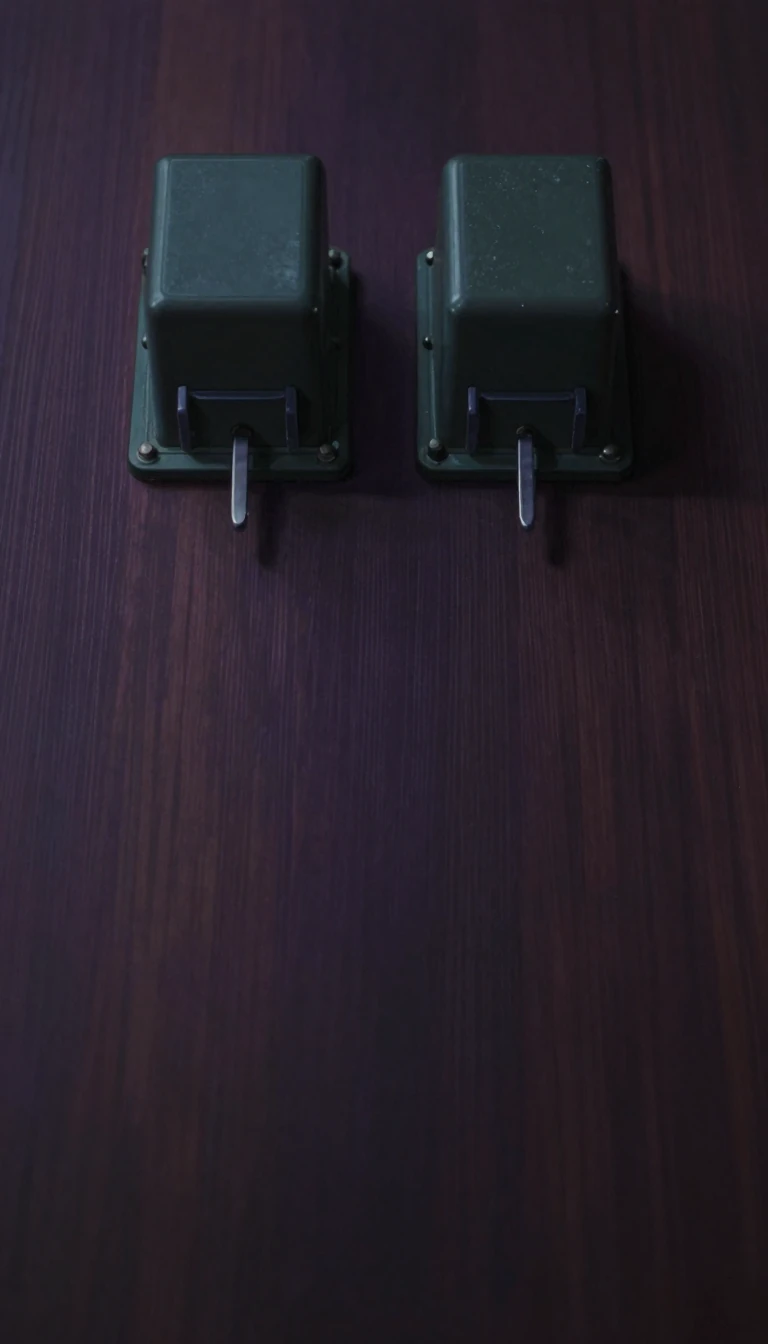
In short: Slapstick is more than just a pratfall; it is a centuries-old theatrical device designed to create maximum auditory chaos with minimal physical impact. By using a clever wooden prop, performers could simulate violent beatings that delighted audiences while keeping the actors entirely safe from harm during their most energetic routines.
The term slapstick originates from the Italian batacchio, a club-like device composed of two thin wooden slats. When an actor struck another with this tool, the slats collided to produce a loud, comical smacking sound. Because the force was transferred through the device rather than the body, performers could repeatedly strike one another with great audible effect while causing no real damage or pain. This early special effect became a staple of the 16th-century commedia dell'arte and remains a key element in traditional Punch and Judy puppet shows, which first appeared in England in 1662.
By the 19th century, this style of physical humor had become deeply embedded in British music hall theatre and pantomime. Performers like Joseph Grimaldi, known as the father of modern clowning, mastered these routines. Later, impresario Fred Karno developed sketch comedy without dialogue, training future legends like Charlie Chaplin and Stan Laurel. In the United States, this tradition merged with the variety show format. By the 1890s, vaudeville had evolved from coarse beer hall entertainment into a respectable, family-oriented system of performance chains, such as the Orpheum Circuit, which controlled houses from Chicago to California.
The transition from stage to screen further cemented slapstick's legacy. As motion pictures were introduced into vaudeville houses in 1896, they eventually replaced live acts, leading to the golden era of silent film comedy. Directors like Hal Roach and Mack Sennett utilized the pie-in-the-face gag—an innovation popularized in music hall sketches—to define the genre. While the Great Depression and the rise of television contributed to the decline of live vaudeville after World War II, the visual language of slapstick persisted in animated cartoons and sitcoms, proving that physical humor could transcend language barriers to remain a global entertainment staple.
Opens the Intellect+ feed with this card first. Swipe up for the next one.
Sources
- Summary by Intellect · source: Slapstick | Definition, History, & Facts | Britannica
- Also: Slapstick
To cite this card, link to https://intellectplus.co.uk/app/art-slapstick.
How we source, check and correct cards: Editorial standards.
General information, not professional advice. Spotted an error? Flag the card or see corrections and complaints.
Intellect Plus is a visual educational discovery platform for exploring fascinating facts and ideas. Brain Food, Not Brain Rot. What is Intellect Plus?
Related
More in Theatre · More in Art · Latest · A–Z · All topics
