The oldest form of photography requires no camera at all
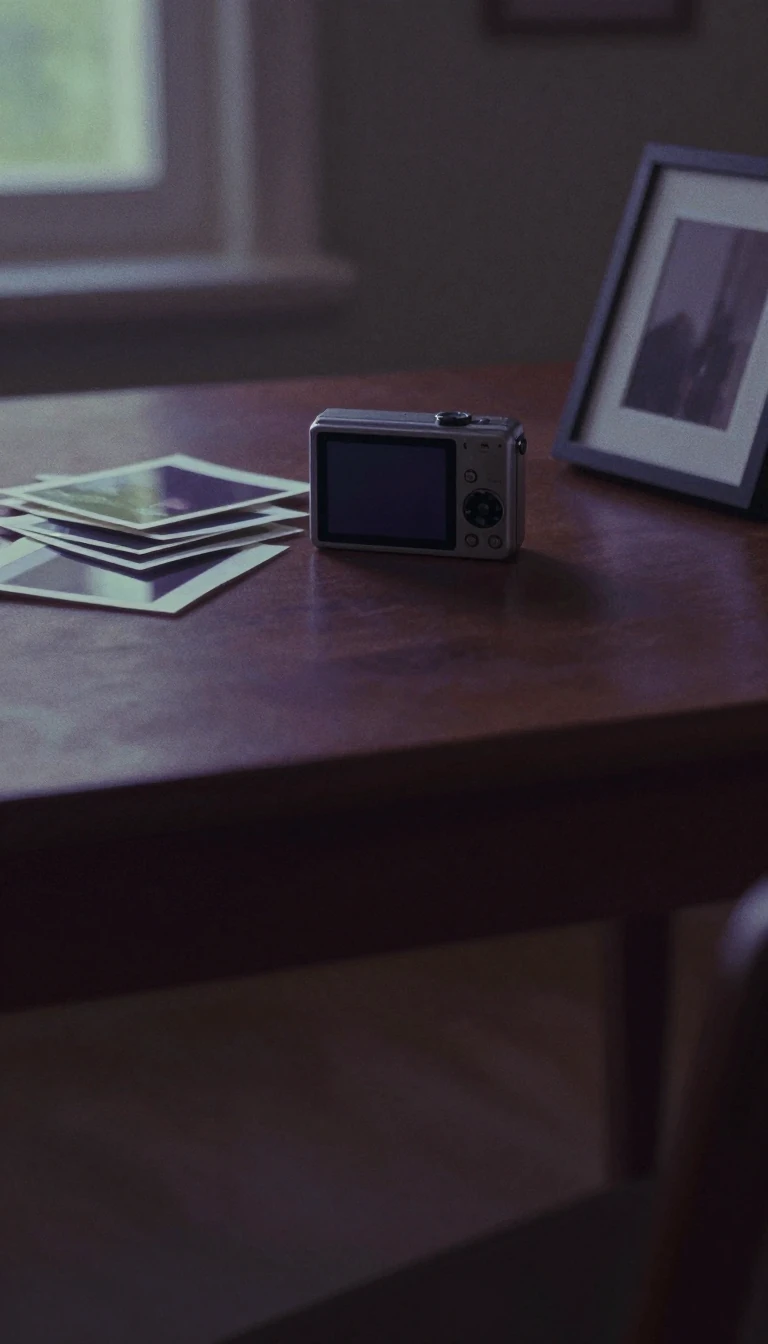
In short: Imagine creating a photograph by simply laying an object on paper and letting light do the work. This cameraless technique, known as photogrammy, bypasses the lens entirely to capture the raw interaction between matter and light. It is a process where shadows become the primary medium of expression.
A photogram is created by placing objects directly onto light-sensitive material, such as photographic paper, and exposing them to light. Because there is no camera lens to mediate the image, the result is often a negative shadow where areas blocked from light appear white, while fully exposed areas turn black. The tonal variations—the greys in between—depend entirely on the transparency or semi-transparency of the objects used.
The technique has deep historical roots and diverse applications. During the 1800s, people esteemed this technique because it captured complex features of biological samples, including floral research. Anna Atkins famously produced 'British Algae: Cyanotype Impressions' in 1843, using the cyanotype process to create blue-toned photograms of seaweeds. Beyond art, the method serves scientific purposes like Schlieren photography, which uses light and knife edges to visualize flow in transparent media like air or water.
In the 20th century, artists used photograms to explore abstraction and 'dematerialization.' Christian Schad began experimenting with discarded objects as early as 1918, while Man Ray famously developed 'rayographs' in the 1920s. These works often merged forms and flattened perspectives, rejecting traditional style in favor of chance. Modern practitioners continue to push the medium, using everything from lightning strikes and television screens to digital minting as NFTs, preserving the tactile materiality of light-capture in a digital age.
The chemistry behind photograms dates back to the 17th century, with early observations of silver salts reacting to light. While Johann Heinrich Schulze demonstrated these effects in 1725 and Carl Wilhhelm Scheele identified violet light's potency in 1777, it wasn't until later that artists could 'fix' these images permanently. Today, the process remains a versatile tool for capturing everything from the movement of an eel to the abstract textures of translucent paper.
Opens the Intellect+ feed with this card first. Swipe up for the next one.
Sources
- Summary by Intellect · source: Photogram
- Also: Photogram | MoMA
To cite this card, link to https://intellectplus.co.uk/app/science-photogram.
How we source, check and correct cards: Editorial standards.
General information, not professional advice. Spotted an error? Flag the card or see corrections and complaints.
Intellect Plus is a visual educational discovery platform for exploring fascinating facts and ideas. Brain Food, Not Brain Rot. What is Intellect Plus?
Related
More in Light · More in Science · Latest · A–Z · All topics
