How a 'stumble' in a studio birthed a revolution of composite images
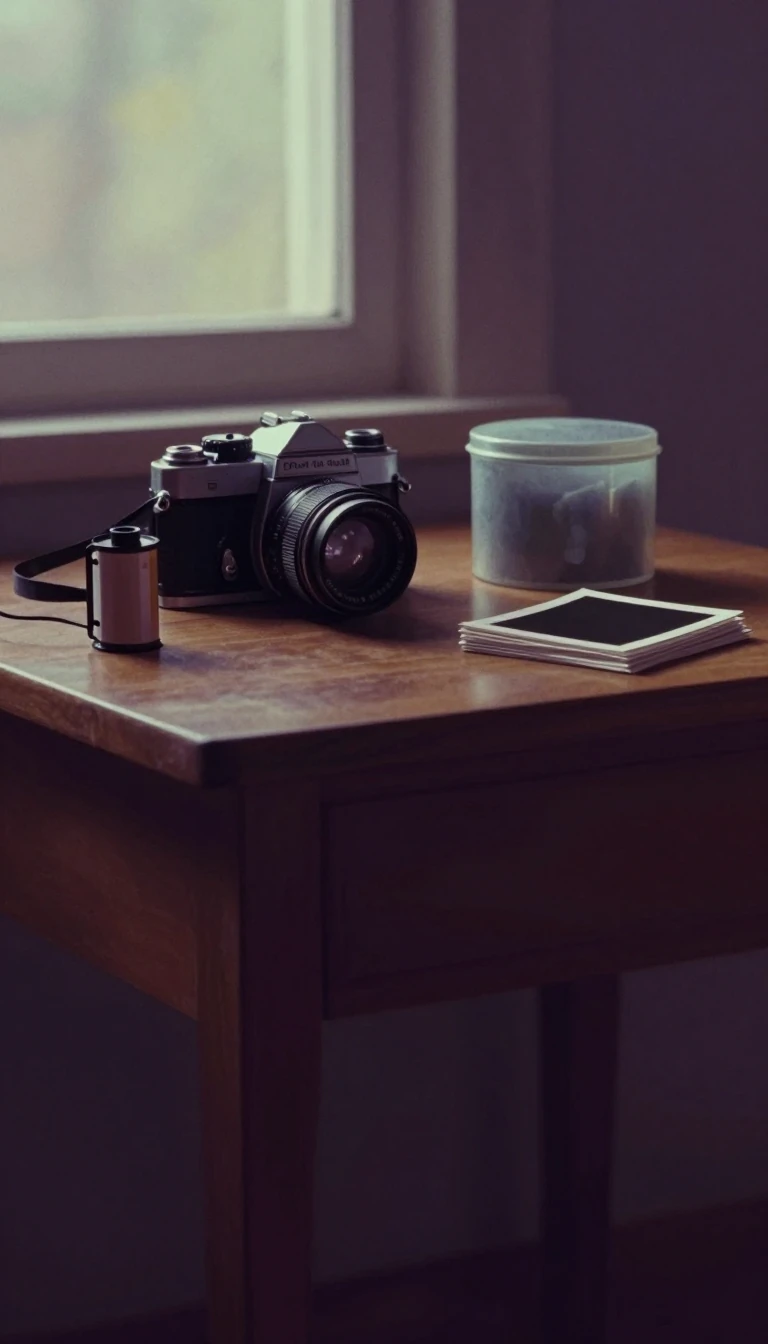
In short: In 1916, two artists in a Berlin studio accidentally discovered a 'vein of gold' by pasting photographs together. This technique, photomontage, didn't just create new images; it shattered traditional art rules, fueled anti-Nazi propaganda, and laid the groundwork for modern conceptual art and digital compositing.
Photomontage is the art of creating composite images by pasting individual prints, exposing images onto a single sheet, or superimposing negatives. While it feels modern, the technique has deep roots. Mid-Victorian photographers like Oscar Rejlander used 'combination printing' as early as 1857 to challenge the dominance of painting. By the late Victorian era, photographers even used montage to commemorate large social events that were impossible to capture in a single frame, often creating fantasy postcards that juxtaposed soldiers with their families.
The medium underwent a radical transformation during the Dada movement of the early 20th century. Emerging as a nihilistic, anti-aesthetic protest against World War I and bourgeois values, Dada favored spontaneity and chance over traditional painting. In Berlin (1916–1920), artists like George Grosz and John Heartfield turned photomontage into a potent political weapon.
Heartfield, in particular, used the technique to create influential anti-Nazi works, such as 'Kaiser Adolph' in 1939, by combining photographic fragments with printed messages. Beyond protest, photomontage became a vehicle for exploring new perspectives on reality. During the 1920s, prominent Bauhaus educator László Moholy-Nagy advocated for the craft, connecting it with cinematic 'high-keyed humor and terror' alongside its rapid tempo. His work exemplified how photography could offer new ways of seeing contemporary life. This legacy persists today; while modern 'compositing' uses software like Photoshop, the underlying principle remains the same: the artist's mental activity and the rearrangement of reality are as significant as the object itself.
Opens the Intellect+ feed with this card first. Swipe up for the next one.
Sources
- Summary by Intellect · source: Photomontage | Collage Art, Surrealism, Dadaism | Britannica
- Also: Photomontage
- Also: Art Institute of Chicago — The Mavericks II (Die Eigenbrötler II) · CC0 (data); description CC BY 4.0
To cite this card, link to https://intellectplus.co.uk/app/art-photomontage.
How we source, check and correct cards: Editorial standards.
General information, not professional advice. Spotted an error? Flag the card or see corrections and complaints.
Intellect Plus is a visual educational discovery platform for exploring fascinating facts and ideas. Brain Food, Not Brain Rot. What is Intellect Plus?
Related
More in Photography · More in Art · Latest · A–Z · All topics
