Can a chemical compound truly unlock the hidden architecture of human artistic creativity?
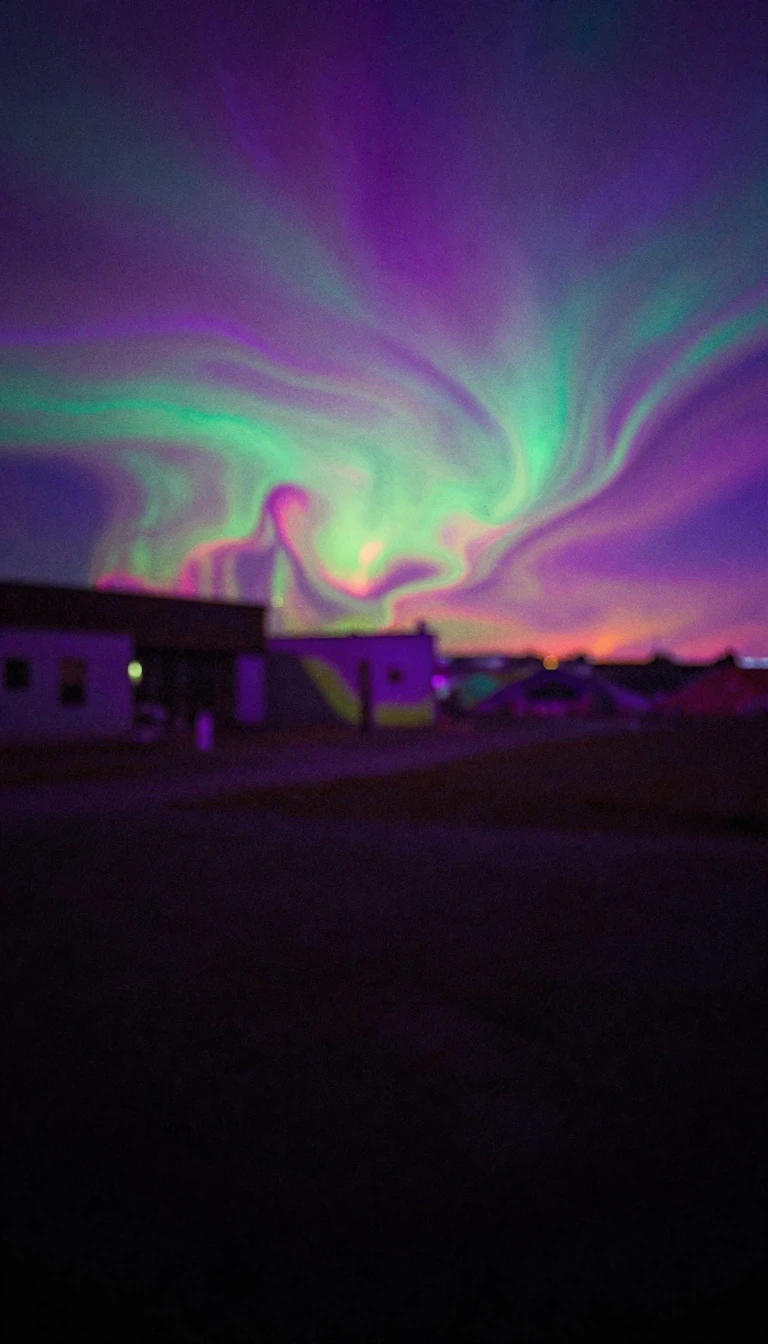
In short: Psychedelic art emerged from the desire to visualize the inner workings of the mind. While often associated with the vibrant, swirling counterculture of the 1960s, this movement relies on specific techniques to map hallucinations, ranging from kaleidoscopic patterns to extreme detail, forever changing how we perceive visual expression.
The term psychedelic, coined by British psychologist Humphry Osmond, translates to mind-revealing. This concept posits that artistic efforts to externalize the psyche’s inner landscape are inherently psychedelic. While early literary explorations of these states date back to writers like Antonin Artaud and Henri Michaux, the movement gained significant momentum following Albert Hofmann’s 1943 discovery of LSD. By the 1960s, this substance became a catalyst for a new aesthetic, heavily embraced by the American counterculture.
The movement’s visual language is defined by distinct motifs: fractal or paisley patterns, extreme detail known as horror vacui, and the morphing of objects. San Francisco poster artists, such as Wes Wilson and Victor Moscoso, pioneered a style that blended Art Nouveau with surrealist influences to support the psychedelic rock scene. These artists utilized glaring color contrasts and warped typography to mirror the sensory disorientation of a trip. Beyond static posters, the era introduced liquid light shows, where oil and dye projections pulsed in rhythm with improvisational music.
By the 1970s, the movement’s commercial potential led to widespread adoption by mainstream corporations, from Campbell’s soup to major banks, often diluting the original countercultural intent. However, the legacy persisted through the digital age. Timothy Leary famously dubbed the computer revolution the new LSD, and the 1990s rave scene integrated digital graphics and new compounds like MDMA. Today, artists like Alex Grey continue to explore these visionary states, arguing that the deliberate use of psychedelics provides a tangible technique for accessing profound creative insights.
Opens the Intellect+ feed with this card first. Swipe up for the next one.
Sources
- Summary by Intellect · source: Psychedelic art
To cite this card, link to https://intellectplus.co.uk/app/art-psychedelic-art.
How we source, check and correct cards: Editorial standards.
General information, not professional advice. Spotted an error? Flag the card or see corrections and complaints.
Intellect Plus is a visual educational discovery platform for exploring fascinating facts and ideas. Brain Food, Not Brain Rot. What is Intellect Plus?
Related
More in Visual arts · More in Art · Latest · A–Z · All topics
