How a London music school became a treasure trove of historical musical artifacts
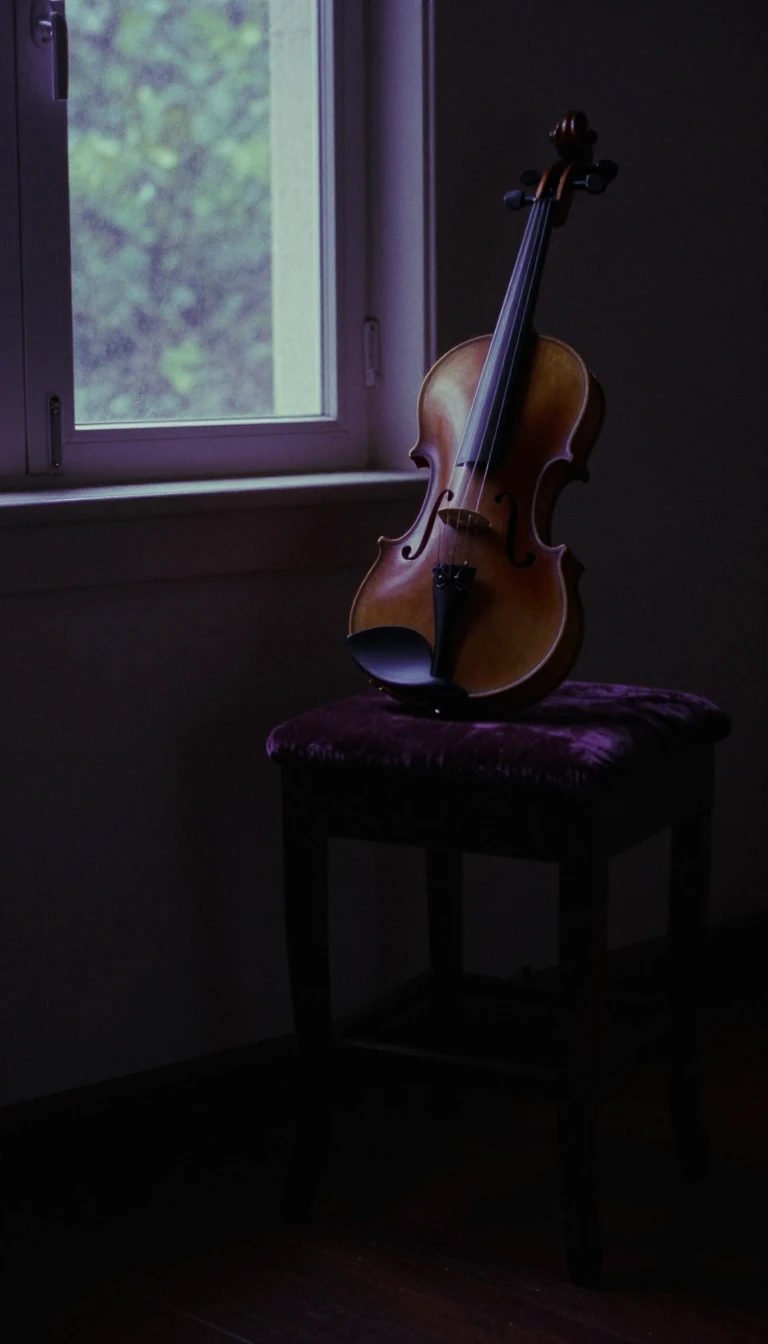
In short: Founded in 1822, the Royal Academy of Music is more than a training ground for world-class performers. It houses one of the world's most significant collections of instruments and manuscripts, including rare works by Handel and Stradivari, while maintaining a legacy of musical excellence that spans over two centuries.
Established in 1822 by John Fane, 11th Earl of Westmorland, and the French harpist Nicolas-Charles Bochsa, the Royal Academy of Music received its royal charter from King George IV in 1830. The institution was championed by the 1st Duke of Wellington, a keen violinist who sought to ensure its success. Despite facing a near-closure in 1866, the academy was revitalized under the leadership of former pupil William Sterndale Bennett, who stabilized its finances and reputation.
The academy’s current home on Marylebone Road, adjacent to Regent's Park, evolved through several expansions. The original premises on Tenterden Street were famously described by Arnold Bax as an architectural rabbit warren. In 1911, the institution moved to its current site, later expanding in the late 1990s to incorporate the York Gate building—designed by John Nash in 1822—which now houses the academy’s museum. This facility protects a vast archive of over 160,000 items, including the autograph manuscripts of Purcell’s The Fairy-Queen and Sullivan’s The Mikado.
Beyond its academic offerings, which range from Junior Academy training to doctoral degrees, the academy serves as a custodian of musical history. Its museum displays a major collection of Cremonese stringed instruments from 1650 to 1740, alongside historical English pianos and personal archives from figures like Yehudi Menuhin. As a constituent college of the University of London, the academy continues to foster global connections, hosting festivals for living composers and collaborating with international conservatoires, ensuring that its historical collections remain vital to modern performance practice.
Opens the Intellect+ feed with this card first. Swipe up for the next one.
Sources
- Summary by Intellect · source: Royal Academy of Music
To cite this card, link to https://intellectplus.co.uk/app/art-royal-academy-of-music.
How we source, check and correct cards: Editorial standards.
General information, not professional advice. Spotted an error? Flag the card or see corrections and complaints.
Intellect Plus is a visual educational discovery platform for exploring fascinating facts and ideas. Brain Food, Not Brain Rot. What is Intellect Plus?
Related
More in Visual artists · More in Art · Latest · A–Z · All topics
