How a Royal Decree Created the World's Most Enduring Independent Art Institution
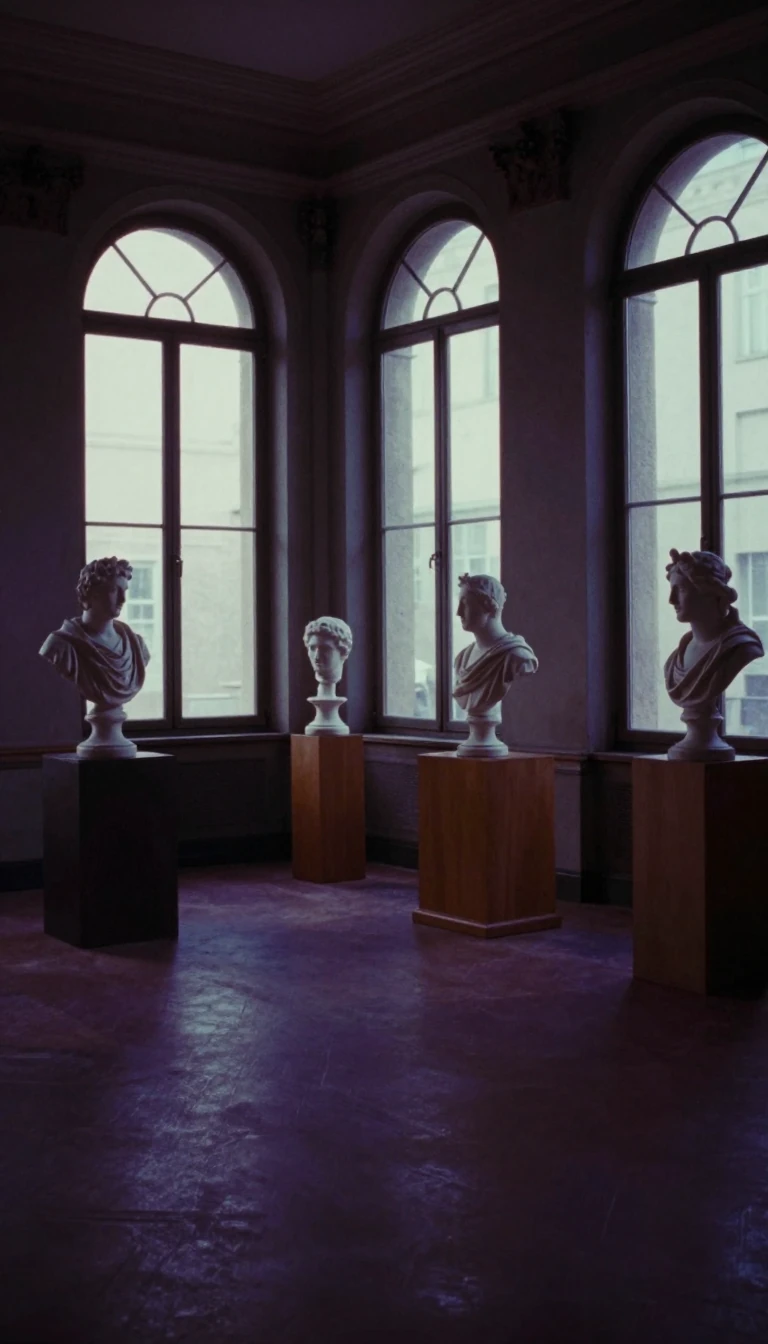
In short: Founded in 1768 by forty artists and architects under the patronage of King George III, the Royal Academy of Arts redefined the British art world. While avant-garde movements like Impressionism later bucked official salon systems to survive, the Academy established a lasting model for institutionalized artistic education and public exhibition.
The Royal Academy of Arts was born from a desire to create an autonomous body for the fine arts, a goal that materialized through a personal act of King George III on December 10, 1768. The institution was designed to foster design education and host annual exhibitions, with the painter Joshua Reynolds serving as its inaugural president. Its foundation instrument, which allowed for a total membership of forty, was heavily influenced by earlier, failed attempts to establish an independent academy in 1755.
Throughout the 19th century, the Academy exerted immense influence over British artistic taste, championing a doctrine known as the grand manner. This period saw the institution move through several locations, including Pall Mall and Somerset House, before settling into Burlington House in 1868. The Academy’s annual exhibition became a cultural fixture, attracting massive public interest; by 1800, records indicate it was visited by half a million people, largely due to its accessible one-shilling entry fee.
In contrast to the Academy’s established success, 19th-century French artists often struggled against the government-sponsored Salon. The Salon’s jury system frequently rejected avant-garde work, prompting artists like Claude Monet and Pierre-Auguste Renoir to organize their own independent exhibitions starting in 1874. While the Academy thrived as a stable, privately funded institution, these French painters were forced to rely on private backers like Gustave Caillebotte to circumvent the rigid academic standards that the Royal Academy had once defined for Britain.
Modernization has remained a priority, evidenced by a £56 million redevelopment project completed in 2018. This effort included digitizing 10,000 works from the collection and connecting Burlington House to the Burlington Gardens site. By balancing its historical mission with contemporary accessibility, the Academy continues to serve as a primary hub for art education and debate, maintaining the legacy established over two and a half centuries ago.
Opens the Intellect+ feed with this card first. Swipe up for the next one.
Sources
- Summary by Intellect · source: Royal Academy of Arts | History, Collection, & Facts | Britannica
- Also: Royal Academy of Arts
To cite this card, link to https://intellectplus.co.uk/app/wealth-royal-academy-of-arts.
How we source, check and correct cards: Editorial standards.
General information, not professional advice. Spotted an error? Flag the card or see corrections and complaints.
Intellect Plus is a visual educational discovery platform for exploring fascinating facts and ideas. Brain Food, Not Brain Rot. What is Intellect Plus?
Related
More in Organizations · More in Wealth & Business · Latest · A–Z · All topics
