Why Andrei Tarkovsky’s Solaris is a masterpiece of inner space, not outer space
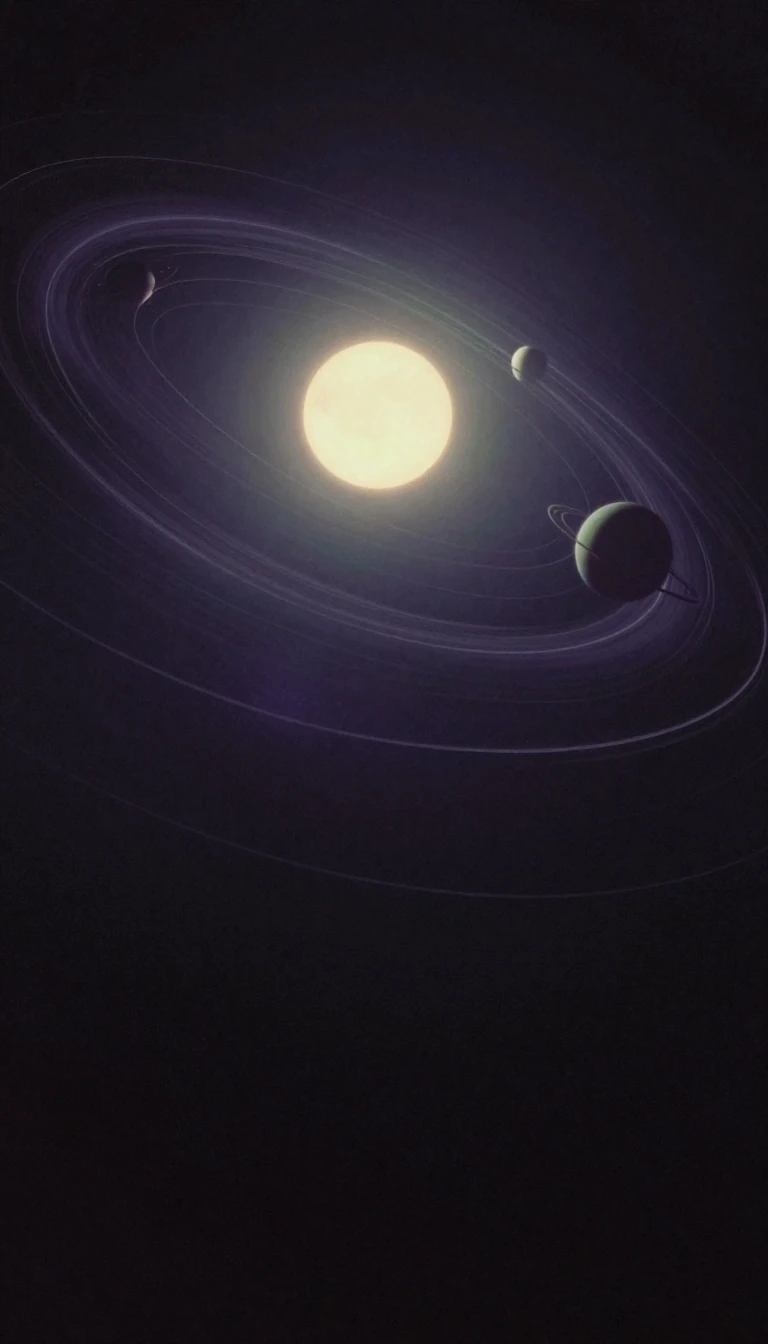
In short: Andrei Tarkovsky’s 1972 science fiction film Solaris was a deliberate rejection of the technological focus seen in Western genre hits like 2001: A Space Odyssey. Instead of space battles or futuristic hardware, Tarkovsky crafted a meditative, psychological exploration of memory, grief, and the limits of human understanding.
Based on Stanisław Lem’s 1961 novel, the film follows psychologist Kris Kelvin as he arrives at a decaying space station orbiting the oceanic planet Solaris. He finds the remaining crew in emotional disarray, haunted by physical manifestations of their own memories. These 'guests' are created by the planet, which appears to be a sentient entity capable of materializing human trauma. Kelvin’s own deceased wife, Hari, appears in his quarters, forcing him to confront the reality of his past and the nature of his own consciousness.
Tarkovsky’s production was defined by a desire to ground cinema in historical and emotional depth. He decorated the space station with paintings by Pieter Bruegel the Elder and referenced Rembrandt’s The Return of the Prodigal Son to give the film a sense of artistic maturity. While the film’s visual language was meticulously crafted—using acetone and aluminium powder to simulate the planet's surface—Tarkovsky famously clashed with his cinematographer, Vadim Yusov, and even with the original author, Stanisław Lem. Lem felt Tarkovsky turned his epistemological novel into a story about inner lives, famously remarking that the director had made Crime and Punishment in space.
The film’s legacy is one of profound influence and critical reverence. Despite initial pressure from Soviet censors to remove allusions to God and Christianity, the film premiered at the 1972 Cannes Film Festival, winning the Grand Prix Spécial du Jury. It has since been cited as one of the greatest science fiction films ever made, influencing later works like Inception and Event Horizon. For Tarkovsky, the film was an attempt to show that humanity does not need other worlds; it needs mirrors to see itself more clearly.
Opens the Intellect+ feed with this card first. Swipe up for the next one.
Sources
- Summary by Intellect · source: Solaris (1972 film)
To cite this card, link to https://intellectplus.co.uk/app/art-solaris-1972-film.
How we source, check and correct cards: Editorial standards.
General information, not professional advice. Spotted an error? Flag the card or see corrections and complaints.
Intellect Plus is a visual educational discovery platform for exploring fascinating facts and ideas. Brain Food, Not Brain Rot. What is Intellect Plus?
Related
More in Film and television · More in Art · Latest · A–Z · All topics
