Stop motion animation began as a secret magic trick to baffle early cinema audiences.
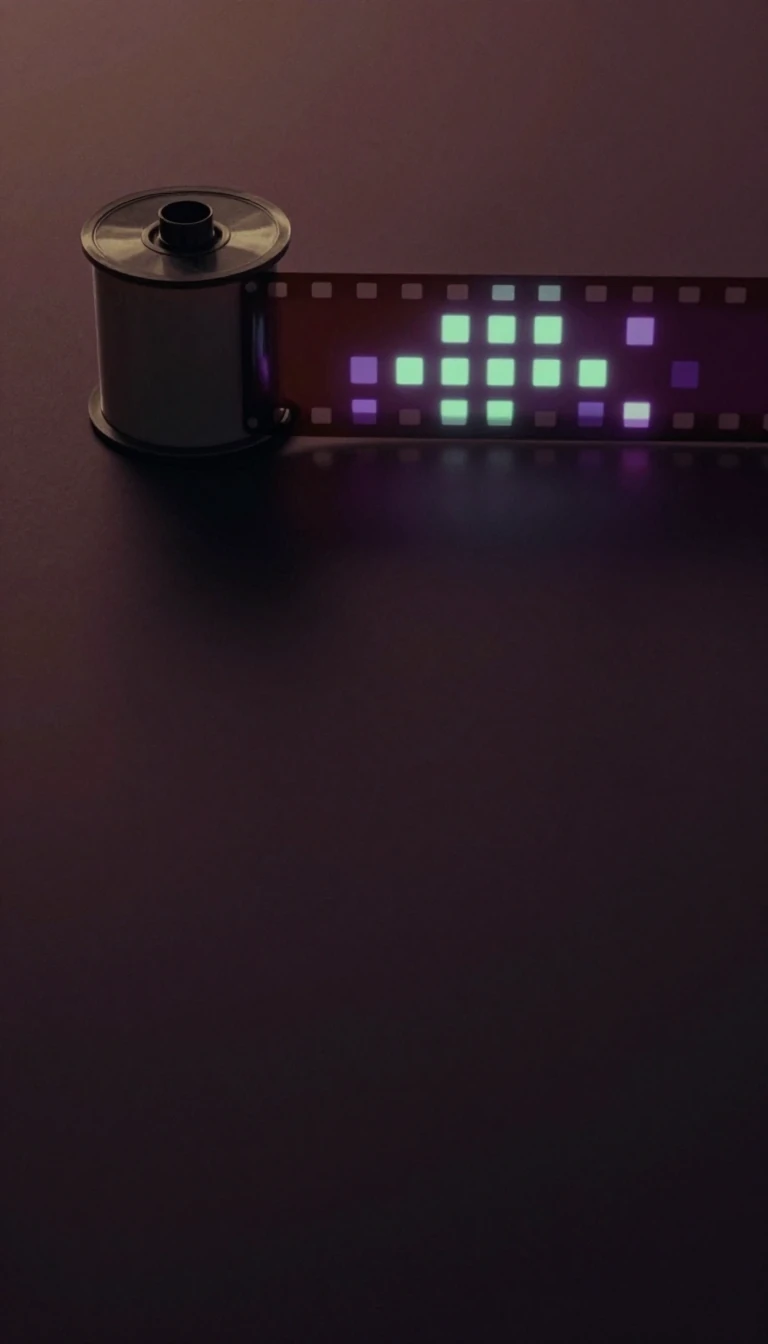
In short: Before digital effects, filmmakers manipulated physical objects frame by frame to create the illusion of life. From dead beetles to clay sculptures, this painstaking technique evolved from 19th-century scientific experiments into a revolutionary cinematic art form, often shrouded in mystery to protect the secrets of the trade from competitors.
The roots of stop motion lie in 19th-century attempts to capture movement before the standardization of film. In 1852, Jules Duboscq patented a stroboscopic disc using separate photographs of machinery, as photographic emulsions of the time were too slow for live recording. By 1855, Johann Nepomuk Czermak experimented with animating stereoscopic pairs, suggesting that models could be used to create endless 3D animations. These early efforts were often driven by scientific curiosity rather than entertainment, such as Étienne-Jules Marey’s 1887 zoetrope featuring plaster models of birds in flight.
As cinema matured, the technique became a tool for illusion. The 'stop trick,' where a camera is paused to allow for physical changes in a scene, was popularized by Georges Méliès and later evolved into the repetitive process of stop motion. In 1907, J. Stuart Blackton’s The Haunted Hotel became the first stop-motion film to achieve wide appreciation, baffling viewers with a self-setting table. This success inspired others, including Émile Cohl, who reportedly unraveled the technique’s secrets after studying Blackton’s work. Because these methods were considered 'magic tricks,' filmmakers kept their processes secret, making it difficult for historians to identify which early films utilized the technique.
The medium soon expanded into complex storytelling. Ladislas Starevich, a pioneer who began by animating dead insects because live ones wouldn't cooperate under studio lights, brought dramatic depth to the craft with films like The Cameraman's Revenge (1912). Meanwhile, in America, Willis O'Brien pioneered the use of lifelike models for adventure films, leading to his work on The Lost World (1925). By the time Starevich released the first feature-length stop-motion film, The Tale of the Fox, in 1930, the technique had transformed from a crude curiosity into a sophisticated method for bringing the impossible to life.
Opens the Intellect+ feed with this card first. Swipe up for the next one.
Sources
- Summary by Intellect · source: Stop motion
To cite this card, link to https://intellectplus.co.uk/app/art-stop-motion.
How we source, check and correct cards: Editorial standards.
General information, not professional advice. Spotted an error? Flag the card or see corrections and complaints.
Intellect Plus is a visual educational discovery platform for exploring fascinating facts and ideas. Brain Food, Not Brain Rot. What is Intellect Plus?
Related
More in Film and television · More in Art · Latest · A–Z · All topics
