To make present an absence: the art of the eternal repose
In short: Before modern photography, how did you ensure a person was never truly forgotten? From Ancient Egypt to Medieval Europe, tomb effigies served as more than just stone markers. They were sophisticated tools of memory designed to bridge the gap between the living and the dead through permanent, physical presence.
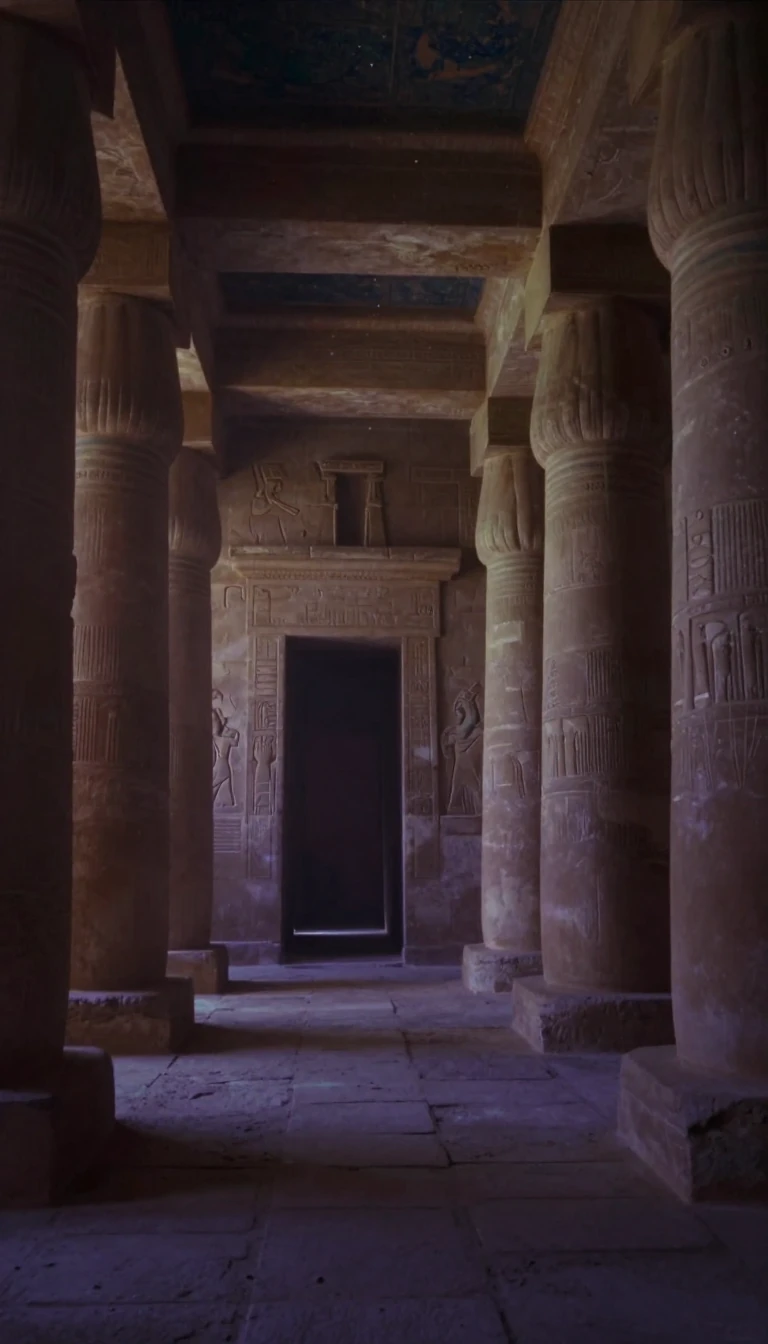
The concept of the tomb effigy—or gisant—dates back to Ancient Egypt (c. 2700–2200 BC) and Etruscan culture. While Egyptian archaeologists believe these figures were intended to house souls or identify the deceased in the afterlife, the Etruscans took a strikingly different approach. Their effigies often depicted the dead as they appeared in life: reclining at feasts with open eyes, enjoying material comfort rather than portraying death itself.
The Western European tradition shifted significantly with the rise of Christianity. By the 11th century, recumbent effigies began appearing in churches, typically showing the deceased in 'eternal repose' with hands folded in prayer. These were often commissioned by royalty and senior clerics to cement a spiritual legacy or restore reputations tarnished by defeat. While Romanesque styles (c. 1080–1160) favored idealized faces and white marble, the 13th-century emergence of the knightly class introduced secular variations, such as 'dying Gauls' reaching for swords to signify physical dynamism.
The evolution of these monuments reveals a complex interplay between spirituality and status. While some tombs were designed as hollow chests to suggest a body lay within, many actually housed remains in vaults below. By the Renaissance, effigies often moved away from the recumbent pose toward active, living stances—kneeling or standing—reflecting a shift in how society visualized the transition from mortal life to divine state.
Despite their prevalence, much of this history was lost; it is estimated that over half of France's Romanesque and Gothic effigies were destroyed during early modern iconoclasm and the French Revolution. Today, surviving examples like those in Westminster Abbey or Venice serve as rare survivors of a medieval effort to make an absence physically present.
Opens the Intellect+ feed with this card first. Swipe up for the next one.
Sources
- Summary by Intellect · source: Tomb effigy
- Also: Art Institute of Chicago — Tomb Effigy of Count Vipart, Lord of Launay and Brucourt (?) · CC0 (data); description CC BY 4.0
- Also: Art Institute of Chicago — Tudor Tomb Slab with Effigies of Man and Woman · CC0 (data); description CC BY 4.0
To cite this card, link to https://intellectplus.co.uk/app/art-tomb-effigy.
How we source, check and correct cards: Editorial standards.
General information, not professional advice. Spotted an error? Flag the card or see corrections and complaints.
Intellect Plus is a visual educational discovery platform for exploring fascinating facts and ideas. Brain Food, Not Brain Rot. What is Intellect Plus?
Related
More in Sculpture · More in Art · Latest · A–Z · All topics
