Beyond the campus, how the city of Southampton inspired a radical shift in art
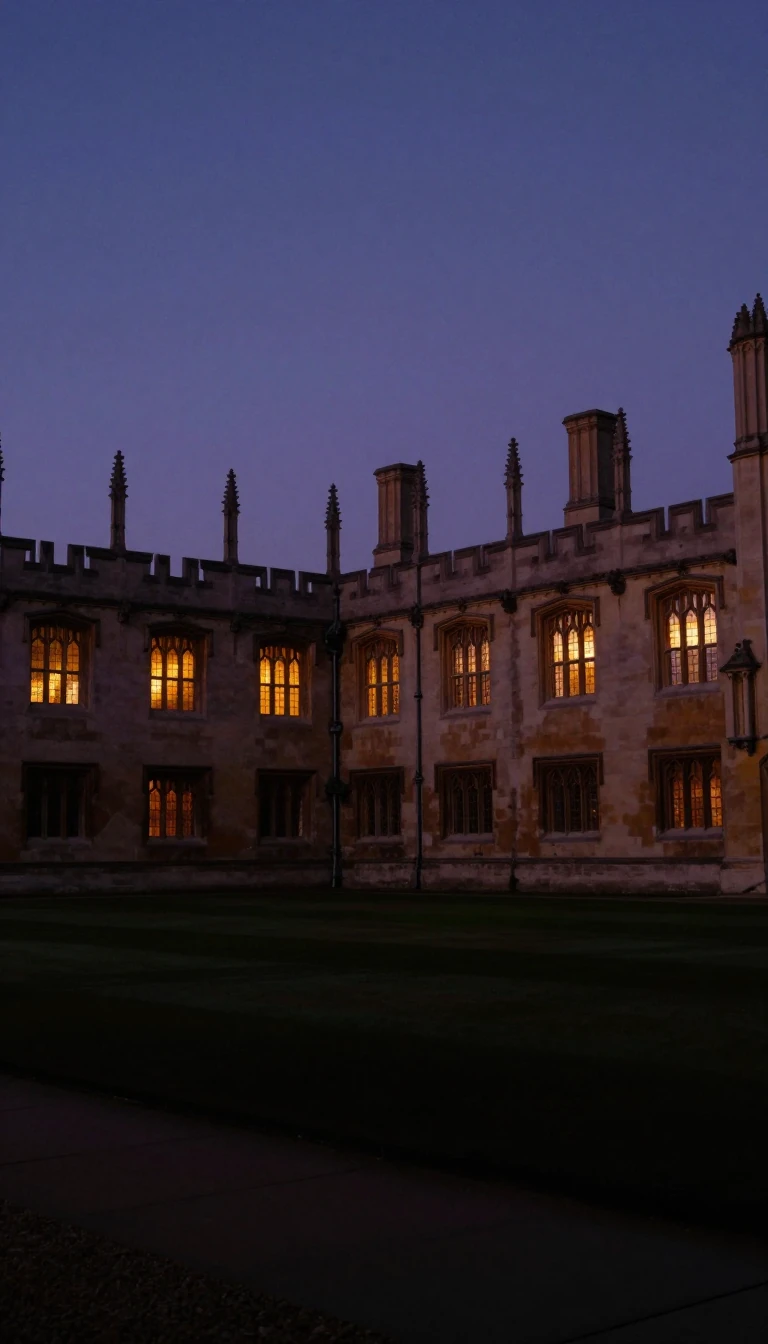
In short: While the University of Southampton grew from a local institute into a global research powerhouse, the city itself served as a muse for artistic innovation. In the 1870s, James McNeill Whistler used the dark, quiet waters of Southampton to pioneer a radical, musical approach to painting that favored abstraction over detail.
The University of Southampton traces its roots to 1862, when the Hartley Institute opened following a bequest from wine merchant Henry Robinson Hartley. Initially conceived as a cultural center for the city's intellectual elite rather than a broad-access college, it evolved through the 20th century into a major research institution. By 1952, it received a royal charter from Queen Elizabeth II, marking the first such grant of her reign. Today, the university operates across multiple campuses, including the National Oceanography Centre and international branches in Malaysia and India, while maintaining its historic connection to the city through its Unilink transport network.
Parallel to the university's academic evolution, the geography of Southampton provided a canvas for artistic exploration. In 1872, the American artist James McNeill Whistler painted 'Nocturne: Blue and Gold—Southampton Water.' This work was a pivotal moment in his career, representing a move toward abstraction. Unlike traditional marine art, Whistler’s painting obscures the harbor's shipping vessels, reducing them to ghostly, shadowy forms. By focusing on the stillness of twilight and the subtle reflections of moonlight, Whistler prioritized the 'harmonies of muted color' over literal representation, aligning with his 'art-for-art’s-sake' philosophy.
This artistic legacy contrasts with the university's own physical development, which has shifted from the red-brick designs of Sir Giles Gilbert Scott to the concrete and glass masterplans of the mid-20th century. While the university has expanded its footprint to include science parks and specialized research centers, the city’s maritime environment remains a constant, whether as a site for oceanographic study or as a source of aesthetic inspiration. The interplay between the institution's rigorous scientific output and the city's atmospheric landscape highlights how Southampton has served as both a hub for intellectual advancement and a backdrop for significant cultural shifts in the visual arts.
Opens the Intellect+ feed with this card first. Swipe up for the next one.
Sources
- Summary by Intellect · source: University of Southampton
- Also: Nocturne: Blue and Gold—Southampton Water
- Also: www.online.southampton.ac.uk — University of Southampton Online Master's | Study MA & MiM
To cite this card, link to https://intellectplus.co.uk/app/art-university-of-southampton.
How we source, check and correct cards: Editorial standards.
General information, not professional advice. Spotted an error? Flag the card or see corrections and complaints.
Intellect Plus is a visual educational discovery platform for exploring fascinating facts and ideas. Brain Food, Not Brain Rot. What is Intellect Plus?
Related
More in Visual arts · More in Art · Latest · A–Z · All topics
