User interface design is the invisible bridge between human intent and machine capability.
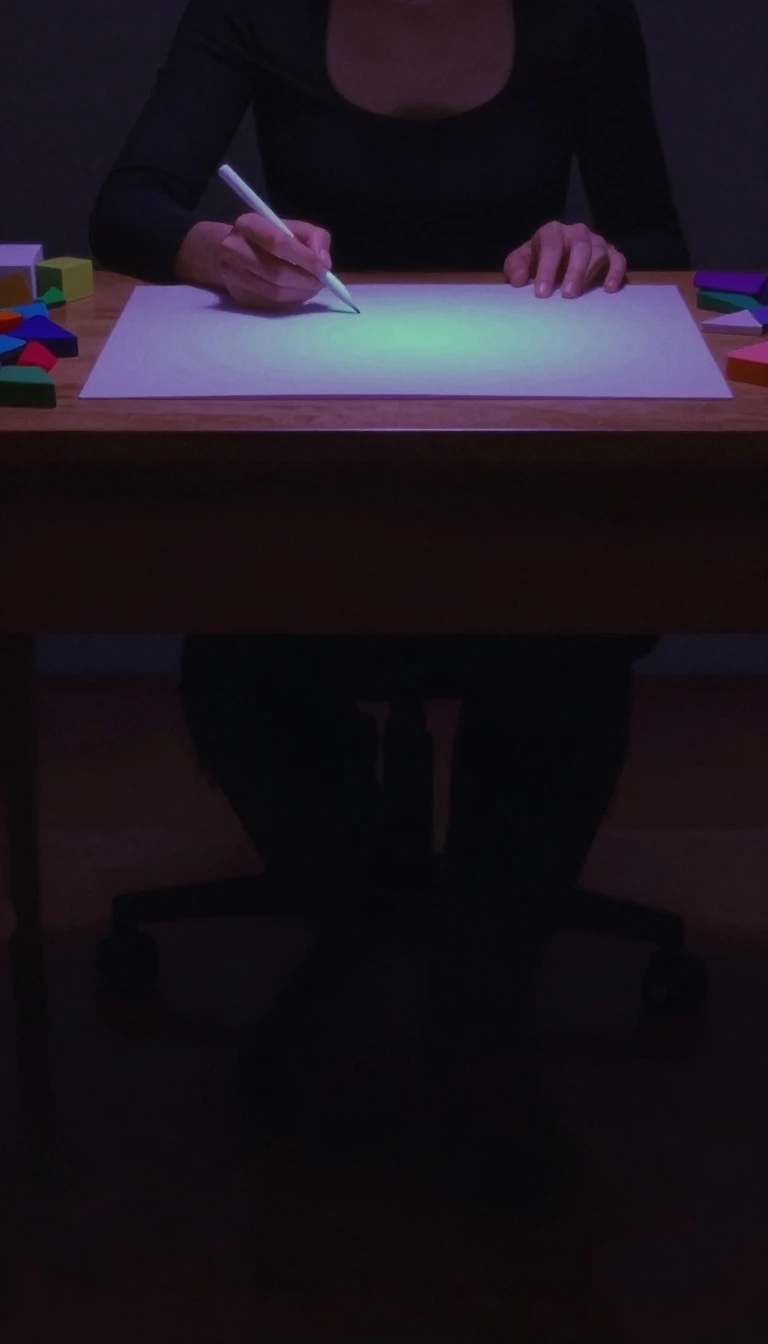
In short: Good interface design is a craft that hides itself. Whether you are navigating a smartphone, a car, or a virtual reality environment, the goal is to make your interaction so efficient that the technology disappears, allowing you to focus entirely on your task without unnecessary distraction or cognitive burden.
At its core, user interface (UI) design is about maximizing usability. It is not merely about aesthetics; it is a systematic process of information architecture that ensures a system communicates clearly. Designers employ the EDIPT framework—empathize, define, ideate, prototype, and test—to create solutions that align with user needs. This non-linear process, formalized by David M. Kelley in 2004, emphasizes iteration, where designers constantly refine mockups based on feedback rather than personal assumptions.
The effectiveness of an interface is often measured by the ISO 9241 standard, which defines usability through three quality factors: effectiveness, efficiency, and user satisfaction. To achieve these, designers must balance the 'look' of an interface—its static attributes like layout and color—with the 'feel,' or the dynamic dialogue between user and machine. This dialogue must be self-descriptive, error-tolerant, and consistent with user expectations. Whether through graphical interfaces, voice control, or body gestures, the system must guide the user while remaining controllable.
Distinguishing UI from the broader user experience (UX) is crucial. As Don Norman and Jakob Nielsen, who co-founded the Nielsen Norman Group in 1998, have noted, even a perfect interface can fail if the underlying system lacks the necessary content or functionality. Usability testing, such as the think-aloud protocol, allows designers to identify pain points by observing how users interact with prototypes. By prioritizing the user's perspective over technical complexity, designers create systems that are not just functional, but truly adaptable to human needs.
Opens the Intellect+ feed with this card first. Swipe up for the next one.
Sources
- Summary by Intellect · source: User interface design
To cite this card, link to https://intellectplus.co.uk/app/art-user-interface-design.
How we source, check and correct cards: Editorial standards.
General information, not professional advice. Spotted an error? Flag the card or see corrections and complaints.
Intellect Plus is a visual educational discovery platform for exploring fascinating facts and ideas. Brain Food, Not Brain Rot. What is Intellect Plus?
Related
More in Visual arts · More in Art · Latest · A–Z · All topics
