From a Victorian science exhibition to a modern global university in central London
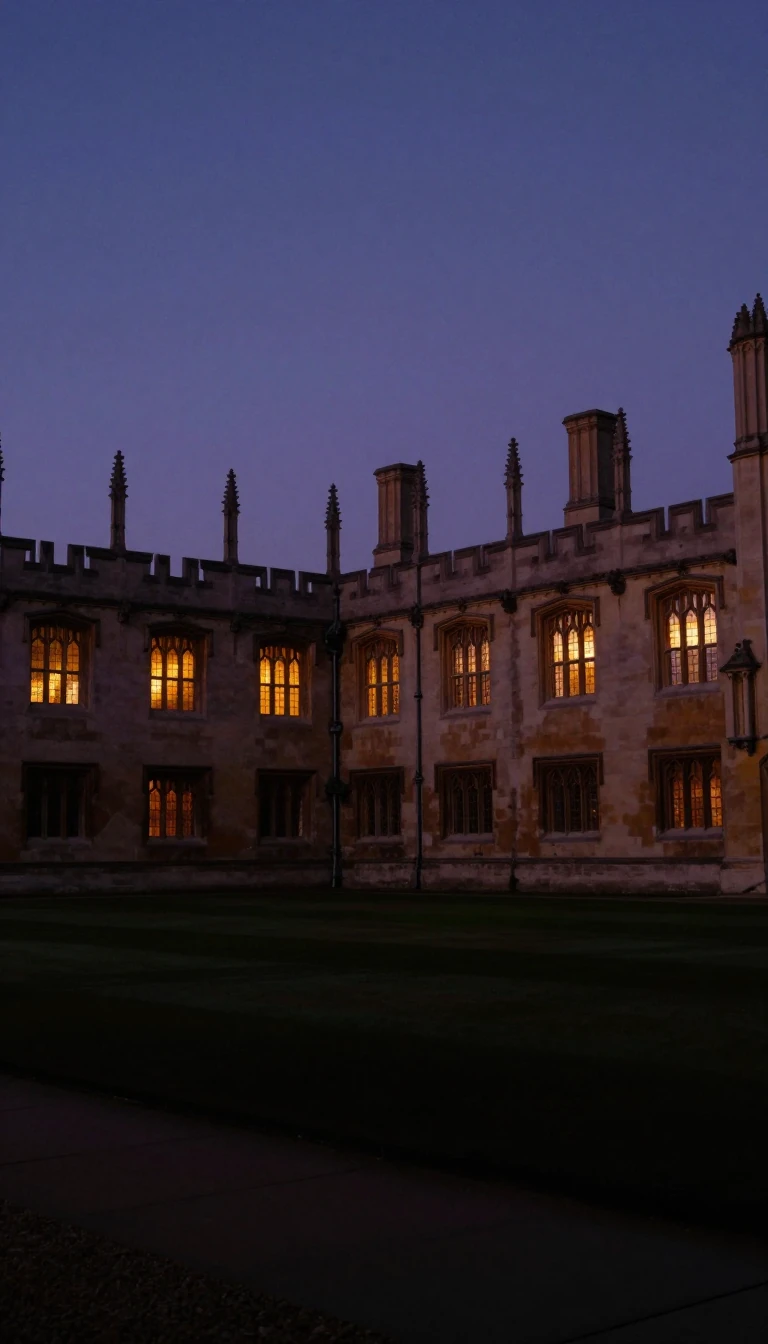
In short: The University of Westminster began in 1838 as the Royal Polytechnic Institution, a hub for public scientific demonstrations and technical education. Today, it stands as a major academic institution, bridging its historic roots in Regent Street with a contemporary focus on diverse disciplines, research, and international collaboration across four campuses.
The institution was founded in 1838 by William Mountford Nurse at 309 Regent Street, London, with a mission to provide practical knowledge in science, arts, and industry to the public. Sir George Cayley, often called the father of aeronautical engineering, served as its first chairman. The site quickly became a cultural landmark, featuring a diving bell, photography studios, and the famous Pepper's Ghost optical effect, which remains associated with John Henry Pepper despite his efforts to credit inventor Henry Dircks.
In 1881, Christian philanthropist Quintin Hogg purchased the lease, transforming the site into the Polytechnic Young Men's Christian Institute. This era focused on technical and trade education for those traditionally denied higher learning. The institution's influence on culture was profound; in 1896, the Lumière brothers held the first moving film performance for a paying UK audience at the Regent Street Cinema, cementing the building's legacy as the birthplace of British cinema.
The transition to a modern university was a gradual evolution. Following the 1992 Further and Higher Education Act, the Polytechnic of Central London was re-designated as the University of Westminster, gaining the power to grant its own degrees. Today, the university is organized into three colleges and 12 schools, spanning subjects from life sciences and law to media and architecture. It maintains a global footprint, notably through the Westminster International University in Tashkent, Uzbekistan, established in 2002.
The university's governance is managed by a Court of Governors, which oversees its strategic mission as a charity. With an annual income of £240.9 million in the 2021–22 period, it continues to balance its historic identity with modern research demands. Alumni include Nobel laureates and Oscar-winning filmmakers, reflecting the institution's long-standing commitment to fostering professional and creative excellence across diverse fields of study.
Opens the Intellect+ feed with this card first. Swipe up for the next one.
Sources
- Summary by Intellect · source: University of Westminster
- Also: www.westminster.ac.uk — University of Westminster, London
To cite this card, link to https://intellectplus.co.uk/app/science-university-of-westminster.
How we source, check and correct cards: Editorial standards.
General information, not professional advice. Spotted an error? Flag the card or see corrections and complaints.
Intellect Plus is a visual educational discovery platform for exploring fascinating facts and ideas. Brain Food, Not Brain Rot. What is Intellect Plus?
Related
More in Human body & genes · More in Science · Latest · A–Z · All topics
