How a runaway schoolboy became the architect of the world's most popular dance rhythm.
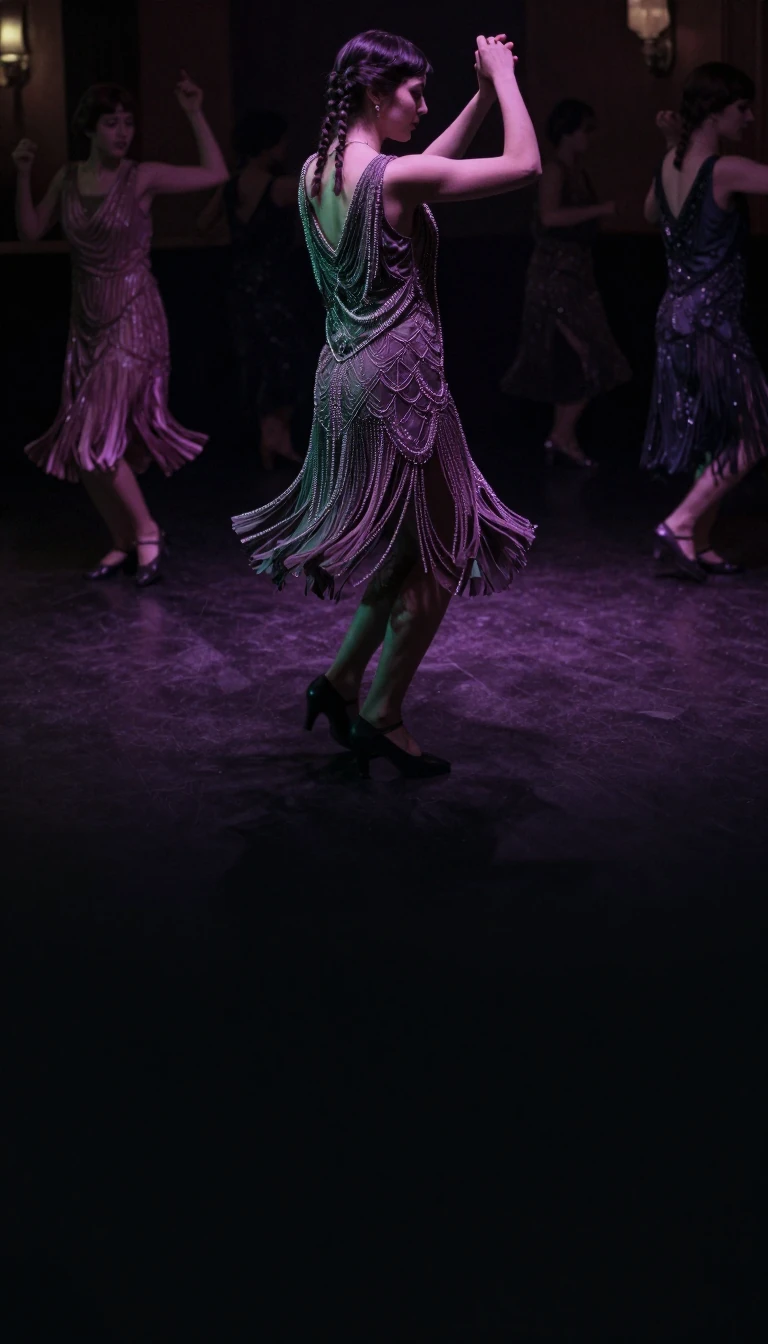
In short: Victor Silvester was a serial truant who lied about his age to fight in the First World War. He survived the trenches and later transformed ballroom dancing into a global phenomenon. By insisting on strict, metronomic tempos, he created a signature sound that defined an entire era of British music.
Born in 1900, Victor Silvester’s early life was marked by a restless spirit. After repeatedly running away from prestigious schools, he enlisted in the British Army at 16, claiming to be 20. Though his service as a private was cut short when his true age was discovered, he soon returned to the front as a stretcher-bearer. His bravery under fire earned him the Italian Bronze Medal of Military Valour in 1917, with historian G. M. Trevelyan noting he was made of 'sterling stuff.'
Following the war, Silvester pivoted to dance, winning the first World Ballroom Dancing Championship in 1922. He became a central figure in codifying the International Style of ballroom dance, publishing his seminal guide, Modern Ballroom Dancing, in 1927. This book remained in print for decades, evolving to include everything from the waltz to the cha-cha-cha. His influence extended to the airwaves, where his BBC television show, Dancing Club, captivated audiences for 17 years.
In 1935, frustrated by the lack of consistent dance music, Silvester formed his own orchestra. He pioneered the 'strict tempo' concept, ensuring every recording matched the precise beats per minute required for competitive dancing. His band featured a unique, recognizable sound—often including two pianos, one of which Silvester called his 'lemonade' for its light, improvised background melody. With no vocals and a polished, professional delivery, his records sold 75 million copies.
By the time he published his autobiography in 1958, Silvester was the most successful dance band leader in British history. His music was a global staple, broadcast from Cape Town to Peking. Even after his death in 1978, his legacy persisted through his son, who continued the orchestra until the 1990s, cementing Silvester's role as the man who taught the world to count 'slow, slow, quick-quick-slow.'
Opens the Intellect+ feed with this card first. Swipe up for the next one.
Sources
- Summary by Intellect · source: Victor Silvester
To cite this card, link to https://intellectplus.co.uk/app/art-victor-silvester.
How we source, check and correct cards: Editorial standards.
General information, not professional advice. Spotted an error? Flag the card or see corrections and complaints.
Intellect Plus is a visual educational discovery platform for exploring fascinating facts and ideas. Brain Food, Not Brain Rot. What is Intellect Plus?
Related
More in Entertainers · More in Art · Latest · A–Z · All topics
