Why your photos darken at the edges is more than a glitch
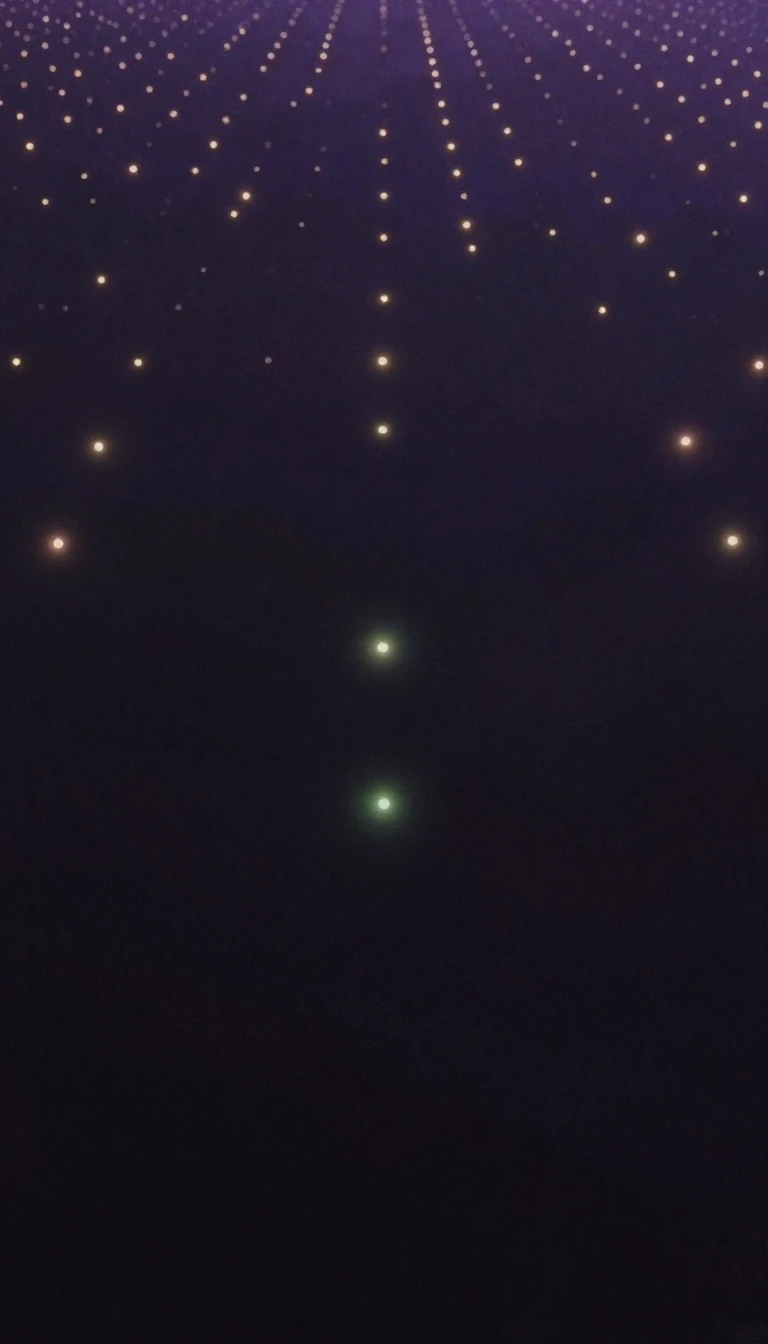
In short: Vignetting—the darkening of an image's periphery—is often dismissed as a lens flaw. But it is actually a complex interplay of physics, geometry, and digital processing. From the way light hits a sensor to the physical shape of your camera's glass, understanding vignetting reveals how we perceive visual focus.
Vignetting occurs when an image loses brightness or saturation toward its edges compared to the center. While it can be an unwanted artifact caused by lens limitations, it is also a deliberate artistic tool used to 'fence off' bright areas and guide a viewer’s eyes toward a specific center of interest. Historically, the term originated from decorative borders in books before being adopted by photography to describe portraits that fade at the edges.
The phenomenon stems from three distinct physical causes. Mechanical vignetting happens when external objects—like thick filters or improper lens hoods—physically block light beams coming from off-axis angles. Optical vignetting is caused by the internal geometry of a multi-element lens, where rear elements are shaded by those in front; this can often be corrected by 'stopping down' the aperture by 2–3 stops. Finally, natural vignetting (or illumination falloff) follows the "cosine fourth" law, where light intensity drops based on the angle at which it hits the sensor. This is particularly common in wide-angle and compact camera designs.
Digital sensors introduce a unique layer: pixel vignetting. Because pixels produce stronger signals when struck perpendicularly than at oblique angles, digital cameras must use built-in image processing to compensate for this falloff during conversion to formats like JPEG. While photographers can use filters or software to remove these effects, many choose to embrace them to create a 'retro' aesthetic or to manipulate the viewer's attention through subtle, almost imperceptible darkening of the periphery.
In extreme cases, mechanical vignetting can be so severe that it completely blocks light paths, restricting the Field of View and leaving parts of the image entirely black. On zoom lenses, these effects may vary across the focal range, sometimes causing exposure value differences of up to 3EV at the widest end.
Opens the Intellect+ feed with this card first. Swipe up for the next one.
Sources
- Summary by Intellect · source: Vignetting
To cite this card, link to https://intellectplus.co.uk/app/art-vignetting.
How we source, check and correct cards: Editorial standards.
General information, not professional advice. Spotted an error? Flag the card or see corrections and complaints.
Intellect Plus is a visual educational discovery platform for exploring fascinating facts and ideas. Brain Food, Not Brain Rot. What is Intellect Plus?
Related
More in Photography · More in Art · Latest · A–Z · All topics
