Jean Rhys turned a literary footnote into a masterpiece of postcolonial and feminist fiction.
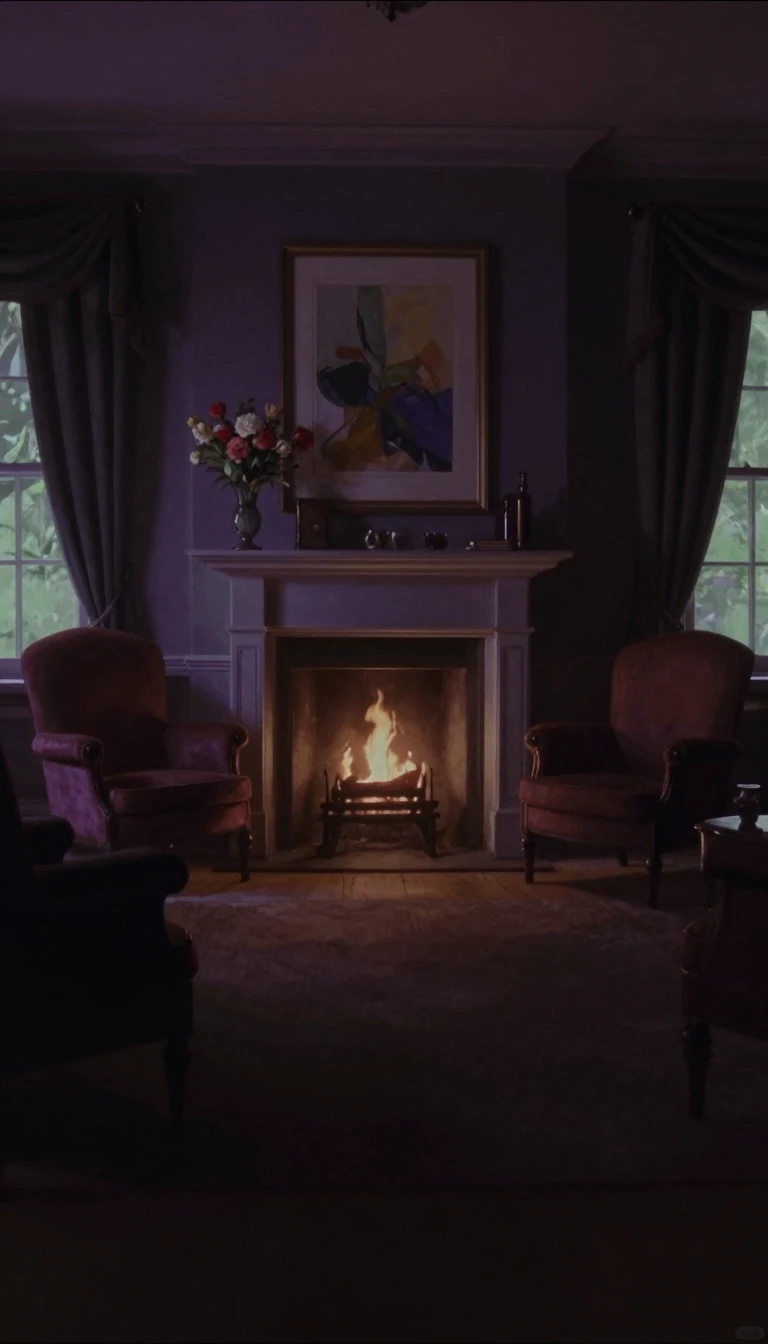
In short: In Jane Eyre, Bertha Mason is merely the madwoman in the attic. In Wide Sargasso Sea, Jean Rhys gives her a name, a history, and a tragic descent. This 1966 novel reimagines the Caribbean heiress Antoinette Cosway, exploring how race, patriarchy, and colonial displacement shatter a woman’s mind and identity.
Published in 1966, Wide Sargasso Sea serves as a prequel to Charlotte Brontë’s 1847 classic, Jane Eyre. Jean Rhys shifts the focus from the English protagonist to Antoinette Cosway, a Creole heiress in 1830s Jamaica. The narrative follows Antoinette from her childhood on a derelict sugar plantation to her arranged marriage with an unnamed English gentleman—the man who would become Mr. Rochester. He renames her Bertha, declares her insane, and isolates her in his English mansion, effectively erasing her autonomy.
The novel is deeply rooted in the aftermath of the Slavery Abolition Act of 1833. Antoinette’s family, once wealthy planters, are reduced to poverty and social pariahs, despised by both the local Black population and the English. Rhys uses this tension to explore the 'othering' of the Creole class, who belong fully to neither Europe nor the Caribbean. Antoinette’s descent into madness is portrayed not as an inherent flaw, but as a consequence of systemic abuse, betrayal, and the crushing weight of colonial gender dynamics.
Rhys wrote the book during a period of intense personal struggle, completing it in 1964 while living in a shack in Devon. Her editor, Diana Athill, cared for her during a health crisis and delayed publication until the manuscript was ready. The book’s success in 1967, including the WH Smith Literary Award, ended decades of obscurity for the author. Today, it is celebrated as a vital postcolonial response to the imperial canon, with critics like Afua Hirsch calling it one of the most perfect books in the English language.
The novel’s structure is as complex as its themes, utilizing multiple perspectives and a stream-of-consciousness style to mirror Antoinette’s fracturing psyche. By reclaiming the narrative of the 'madwoman,' Rhys transforms the fire that destroys Thornfield Hall from a simple plot device into a powerful, liberating act of defiance. It remains a seminal work, consistently ranked among the greatest novels of the 20th and 21st centuries for its profound exploration of history, identity, and the human cost of empire.
Opens the Intellect+ feed with this card first. Swipe up for the next one.
Sources
- Summary by Intellect · source: Wide Sargasso Sea
To cite this card, link to https://intellectplus.co.uk/app/art-wide-sargasso-sea.
How we source, check and correct cards: Editorial standards.
General information, not professional advice. Spotted an error? Flag the card or see corrections and complaints.
Intellect Plus is a visual educational discovery platform for exploring fascinating facts and ideas. Brain Food, Not Brain Rot. What is Intellect Plus?
Related
More in UK & Ireland: arts · More in Art · Latest · A–Z · All topics
