Why the most famous typeface in history began as an exotic experiment
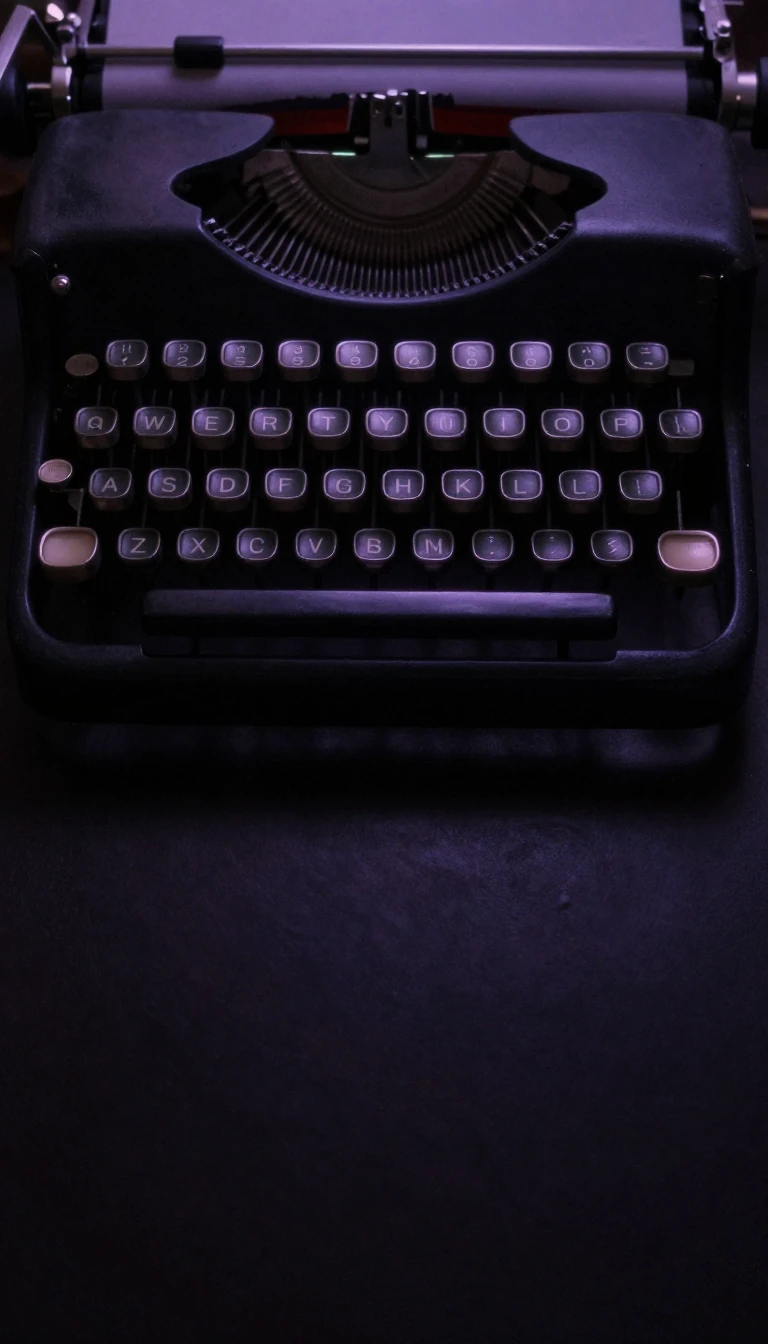
In short: Before William Caslon became the architect of the English national typographic style, he was a humble engraver of gun locks and tools. His journey from a Birmingham workshop to the heights of London printing transformed how the world reads, eventually leaving an indelible mark on documents like the American Declaration of Independence.
Born in Cradley around 1692, William Caslon I initially mastered the delicate art of engraving in Birmingham. By 1716, he had established a London business focused on gun barrels and bookbinding tools. His transition into typefounding was prompted by the encouragement of William Bowyer, a connection that shifted his focus toward the technical demands of the printing trade. While his name is now synonymous with a classic Latin alphabet style, his early work prioritized specialized scripts. Before 1725, he produced an Arabic typeface, followed by Hebrew in 1726 and Coptic in 1731, all categorized by his peers as exotics.
Caslon’s signature Latin roman and italic types, which reached full maturity by 1734, drew heavy inspiration from Dutch Baroque designs that dominated the English market at the time. These faces were celebrated for their exceptional legibility and distinction, earning him the favor of the era's most prominent printers. His influence was so profound that it birthed the enduring adage, "when in doubt, use Caslon." In 1763, he solidified his legacy by publishing the first comprehensive specimen book of his typefaces ever produced in England.
The Caslon Foundry remained a family-led enterprise for generations, navigating complex legal disputes and shifting ownership. Following his death in 1766, his son William Caslon II took the helm, later succeeded by his widow Elizabeth and their sons. The business underwent numerous transformations, including a period in Chancery and eventual acquisition by Stephenson Blake in 1937. Although the original foundry’s prominence waned in the century following his death, the 1840s sparked a significant revival. Today, Caslon’s work persists through various digital adaptations, ensuring that his 18th-century craftsmanship remains a cornerstone of modern graphic design and historical typography.
Opens the Intellect+ feed with this card first. Swipe up for the next one.
Sources
- Summary by Intellect · source: William Caslon
To cite this card, link to https://intellectplus.co.uk/app/art-william-caslon.
How we source, check and correct cards: Editorial standards.
General information, not professional advice. Spotted an error? Flag the card or see corrections and complaints.
Intellect Plus is a visual educational discovery platform for exploring fascinating facts and ideas. Brain Food, Not Brain Rot. What is Intellect Plus?
Related
More in Visual artists · More in Art · Latest · A–Z · All topics
