How William Eggleston turned mundane American life into high-stakes, saturated fine art
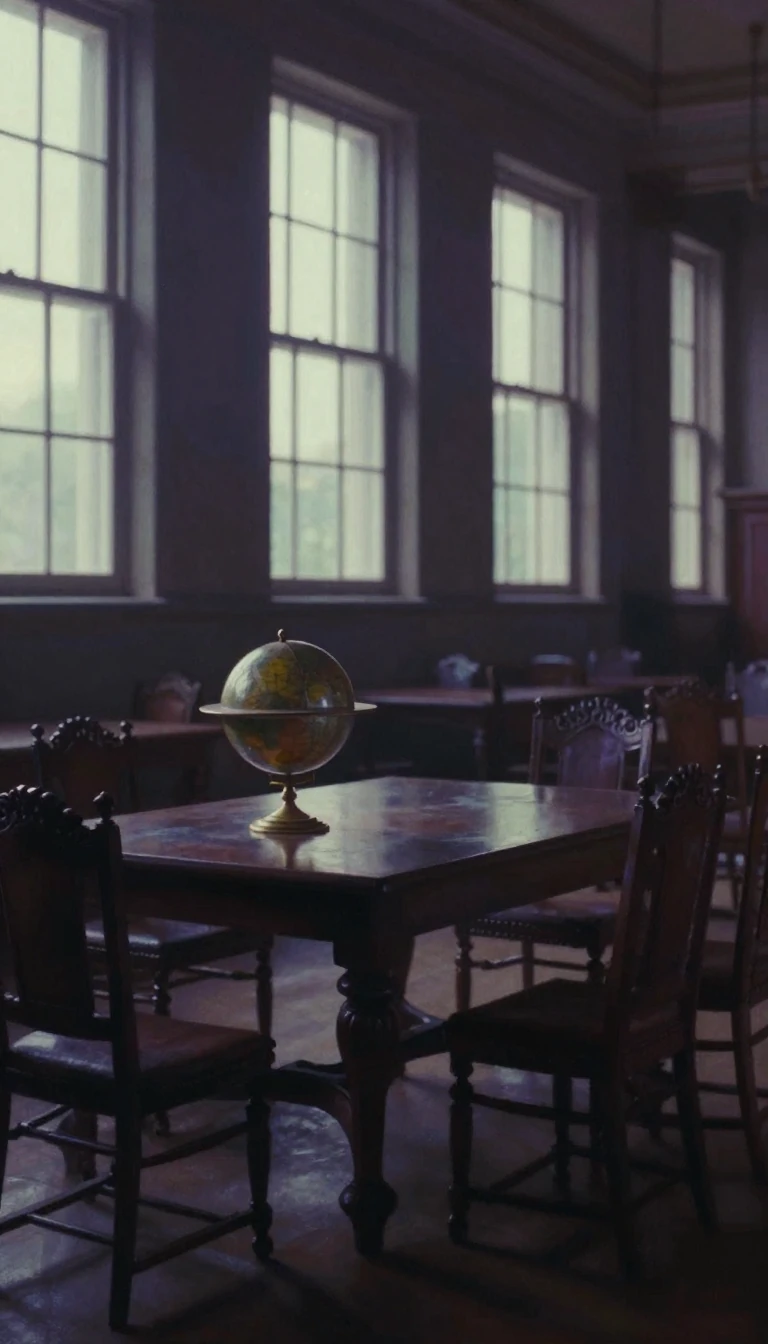
In short: Before William Eggleston, color photography was largely dismissed as a commercial tool for advertisements. By applying the intense, saturated dye-transfer process to everyday scenes—like dirty soda bottles and parking lots—Eggleston forced the art world to recognize color as a legitimate, powerful medium for capturing the grain of reality.
Born in Memphis in 1939, William Eggleston spent his early years in Mississippi, where he developed a penchant for electronics and visual media. Though he attended three different universities, he never completed a degree. His photographic path shifted in the 1960s after he moved from black-and-white work to color, a transition influenced by William Christenberry. By 1969, his work caught the attention of MoMA curator John Szarkowski, who was stunned to find a suitcase full of what he described as drugstore color prints.
Eggleston’s breakthrough arrived when he discovered the dye-transfer printing process while teaching at Harvard in the early 1970s. Originally used for commercial tasks like photographing perfume bottles, the process offered a level of color saturation that Eggleston found overwhelming. He applied this technique to his own subjects, creating iconic images like the 1973 work The Red Ceiling. He described the effect of the dye as looking like wet blood on the wall, a testament to the visceral power he sought to extract from the mundane.
His 1976 exhibition at MoMA is widely regarded as a watershed moment that validated color photography within elite institutions. Yet, Eggleston’s work remains complex and often deceptive. While he focused on the ordinary—vending machines, power lines, and suburban clutter—critics and artists like Edward Ruscha have noted a lurking, jagged danger beneath the surface. This 'Eggleston World' is not merely a documentation of the everyday, but a fearless, naturalistic exploration of the beauty and darkness inherent in the American vernacular.
Beyond photography, Eggleston’s creative output has been vast and idiosyncratic. He experimented with video, creating footage described as a 'demented home movie,' and later released experimental electronic music recorded on a 1980s Korg synthesizer. Despite his success, his career has not been without controversy; in 2012, a collector sued him for diluting the value of original prints by producing and selling larger, oversized versions of his famous images, though the court ultimately dismissed the case.
Opens the Intellect+ feed with this card first. Swipe up for the next one.
Sources
- Summary by Intellect · source: William Eggleston
To cite this card, link to https://intellectplus.co.uk/app/art-william-eggleston.
How we source, check and correct cards: Editorial standards.
General information, not professional advice. Spotted an error? Flag the card or see corrections and complaints.
Intellect Plus is a visual educational discovery platform for exploring fascinating facts and ideas. Brain Food, Not Brain Rot. What is Intellect Plus?
Related
More in Visual artists · More in Art · Latest · A–Z · All topics
