Blur's 13: How a painful breakup and studio tension created an art rock masterpiece
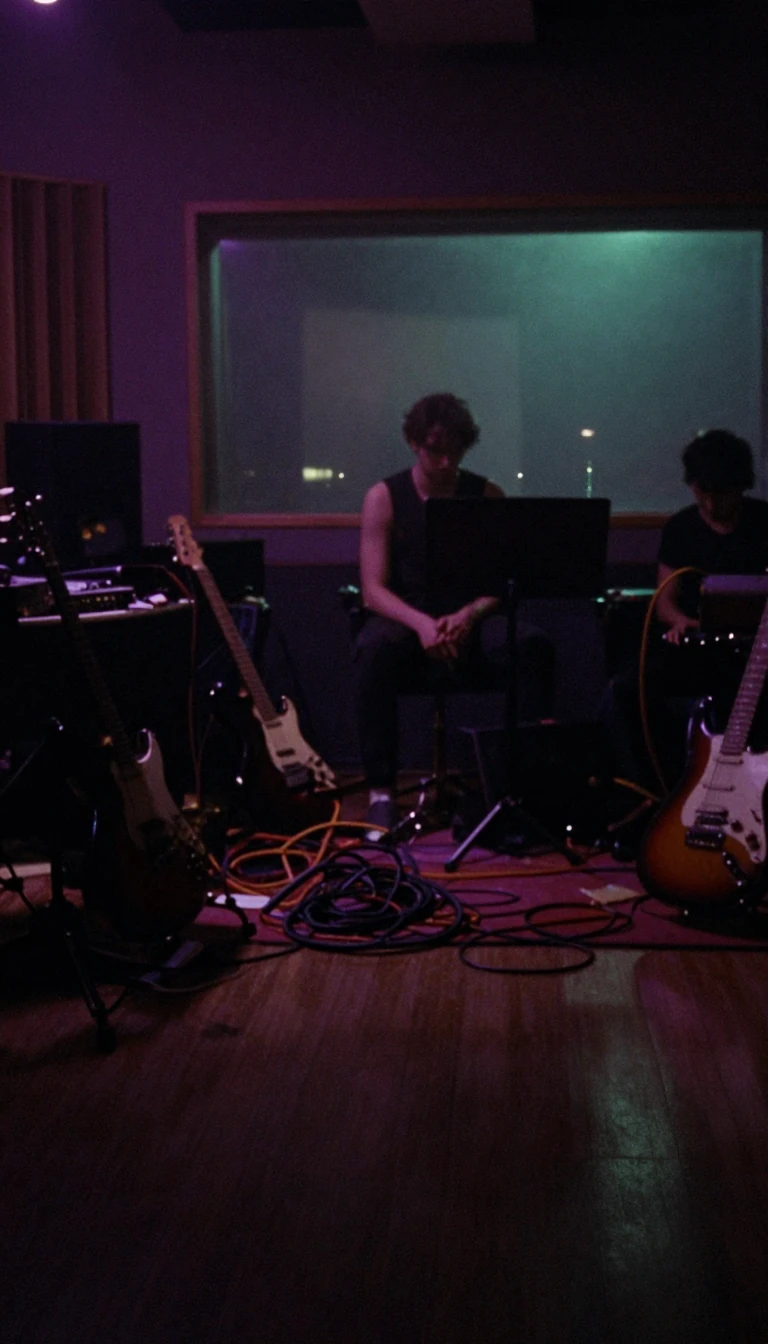
In short: Released in 1999, Blur's sixth studio album marked a radical departure from the band's Britpop roots. Born from the wreckage of Damon Albarn's high-profile relationship with Elastica's Justine Frischmann, the record captured a fractured band pushing into experimental, electronic territory while internal tensions pushed them to the brink of collapse.
Recorded between June and October 1998 in London and Reykjavík, 13 represents a pivotal shift in Blur's trajectory. The band chose electronic artist William Orbit to replace their longtime producer, Stephen Street, seeking a fresh perspective to navigate their evolving sound. Albarn described Orbit's role as akin to a psychiatrist, helping the band process the intense emotional fallout of his breakup with Frischmann. This personal turmoil permeated the sessions, with drummer Dave Rowntree later noting that the atmosphere was often abusive, with members frequently missing or arriving at the studio intoxicated.
The creative process was defined by a struggle between Albarn's experimental leanings and guitarist Graham Coxon's punk-influenced approach. Coxon, who later admitted to being difficult to work with during this period, ultimately exerted significant influence on the album's dense, idiosyncratic sound. The resulting record, which features 13 tracks and utilizes 13th chords, moved away from the accessible Britpop of the mid-1990s toward industrial rock and cerebral art rock. Tracks like 'Bugman' and the instrumental 'Optigan 1' highlight this shift, while 'Tender' and 'No Distance Left to Run' serve as raw, lyrical explorations of heartbreak.
Despite the internal strife, 13 was a commercial and critical success, debuting at number one on the UK Albums Chart and earning Platinum certification. It received nominations for the Mercury Prize and the 2000 NME Awards, cementing its status as a significant evolution for the band. The album's cover art, a modified oil painting by Coxon titled Apprentice, reflects the project's complex nature—a work that pushed the band to its limits, ultimately serving as the final studio album featuring the original lineup for over a decade.
Opens the Intellect+ feed with this card first. Swipe up for the next one.
Sources
- Summary by Intellect · source: 13 (Blur album)
To cite this card, link to https://intellectplus.co.uk/app/culture-13-blur-album.
How we source, check and correct cards: Editorial standards.
General information, not professional advice. Spotted an error? Flag the card or see corrections and complaints.
Intellect Plus is a visual educational discovery platform for exploring fascinating facts and ideas. Brain Food, Not Brain Rot. What is Intellect Plus?
Related
More in UK & Irish culture · More in Cultures · Latest · A–Z · All topics
