The 1954 Asian Games attempted a complex points system that ultimately proved entirely worthless.
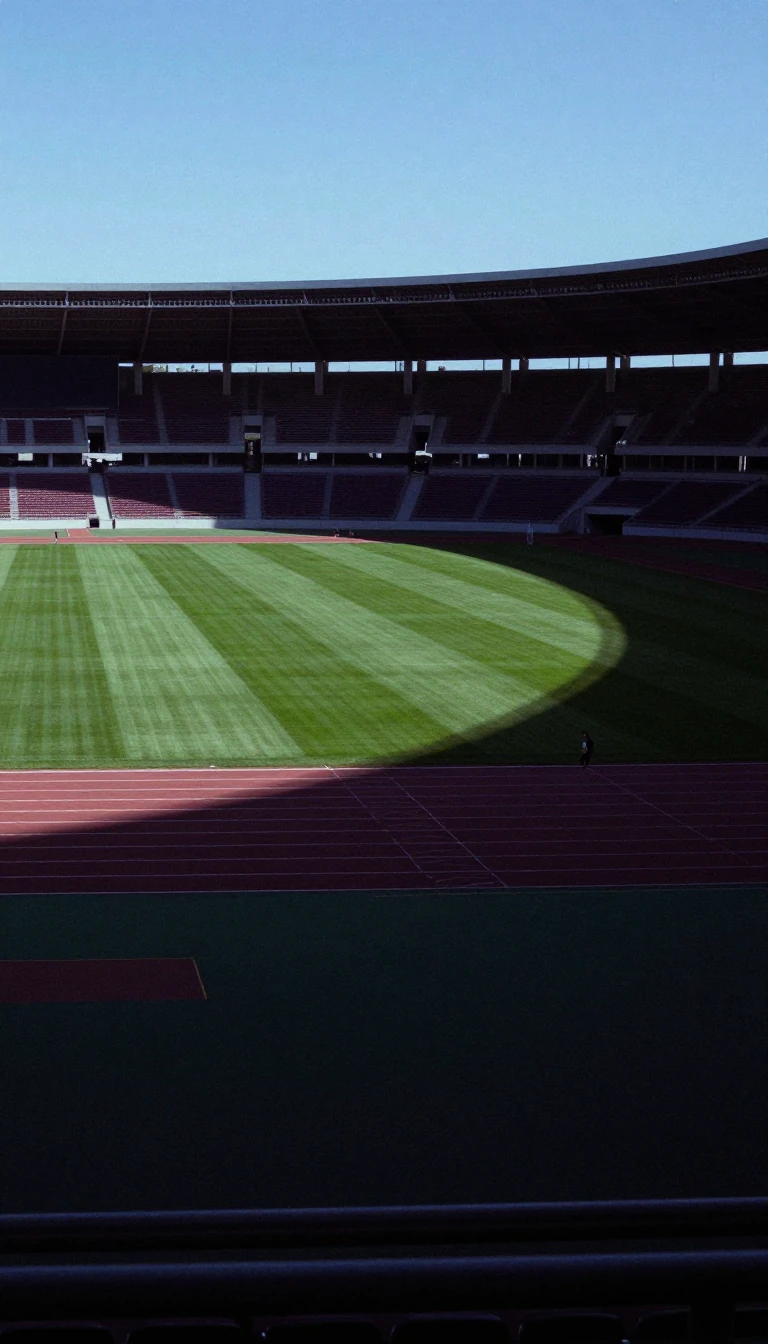
In short: When Manila hosted the second Asian Games in 1954, organizers abandoned the traditional medal tally for a convoluted points-based ranking system. It was a failed experiment that produced the exact same results as counting medals, leading officials to abandon the method forever after the closing ceremony concluded in the Philippines.
Held from May 1 to 9, 1954, the second Asian Games in Manila marked a significant expansion over the inaugural 1951 event in New Delhi. The competition drew 970 athletes from 19 different National Olympic Committees, participating in 76 events across eight sports. This growth included the debut of boxing, shooting, and wrestling, while cycling was removed from the program. The games were officially opened by President Ramon Magsaysay at the Rizal Memorial Stadium, which saw an opening attendance of approximately 20,000 spectators.
The most notable administrative quirk of the 1954 games was the implementation of a complex points system to determine the overall champion. Rather than simply counting medals, athletes were awarded points based on their specific placements in events like swimming and athletics. However, the system was quickly deemed redundant, as it generated the same national rankings as a standard medal count. Consequently, the experiment was never repeated in subsequent games. The host nation, the Philippines, finished second in the final standings with 45 total medals, including 14 gold, while Japan secured the top position across all medal categories.
Cultural traditions surrounding the event were also carefully managed. At the request of the International Olympic Committee, the organizers excluded the traditional torch relay and cauldron lighting from the opening ceremony to maintain the distinct character of the Olympic Games. To compensate, the host nation provided a special citation to the final athlete to enter the stadium during the parade, who happened to be the Filipino flag bearer, Andres Franco. Despite the scale of the event, interest waned by the end of the week, with only about 9,000 spectators attending the closing ceremony.
The games were broadcast to the public via live radio on DZRH and a delayed television broadcast on DZAQ-TV ABS-3. Jorge B. Vargas, who led the Philippine Amateur Athletic Federation, oversaw the organizing committee. While the games successfully expanded the scope of Asian multi-sport competition, the failure of the points system remains its most distinct historical footnote.
Opens the Intellect+ feed with this card first. Swipe up for the next one.
Sources
- Summary by Intellect · source: 1954 Asian Games
To cite this card, link to https://intellectplus.co.uk/app/culture-1954-asian-games.
How we source, check and correct cards: Editorial standards.
General information, not professional advice. Spotted an error? Flag the card or see corrections and complaints.
Intellect Plus is a visual educational discovery platform for exploring fascinating facts and ideas. Brain Food, Not Brain Rot. What is Intellect Plus?
Related
More in UK & Irish culture · More in Cultures · Latest · A–Z · All topics
