How Manchester United defied the English establishment to join Europe's premier football stage
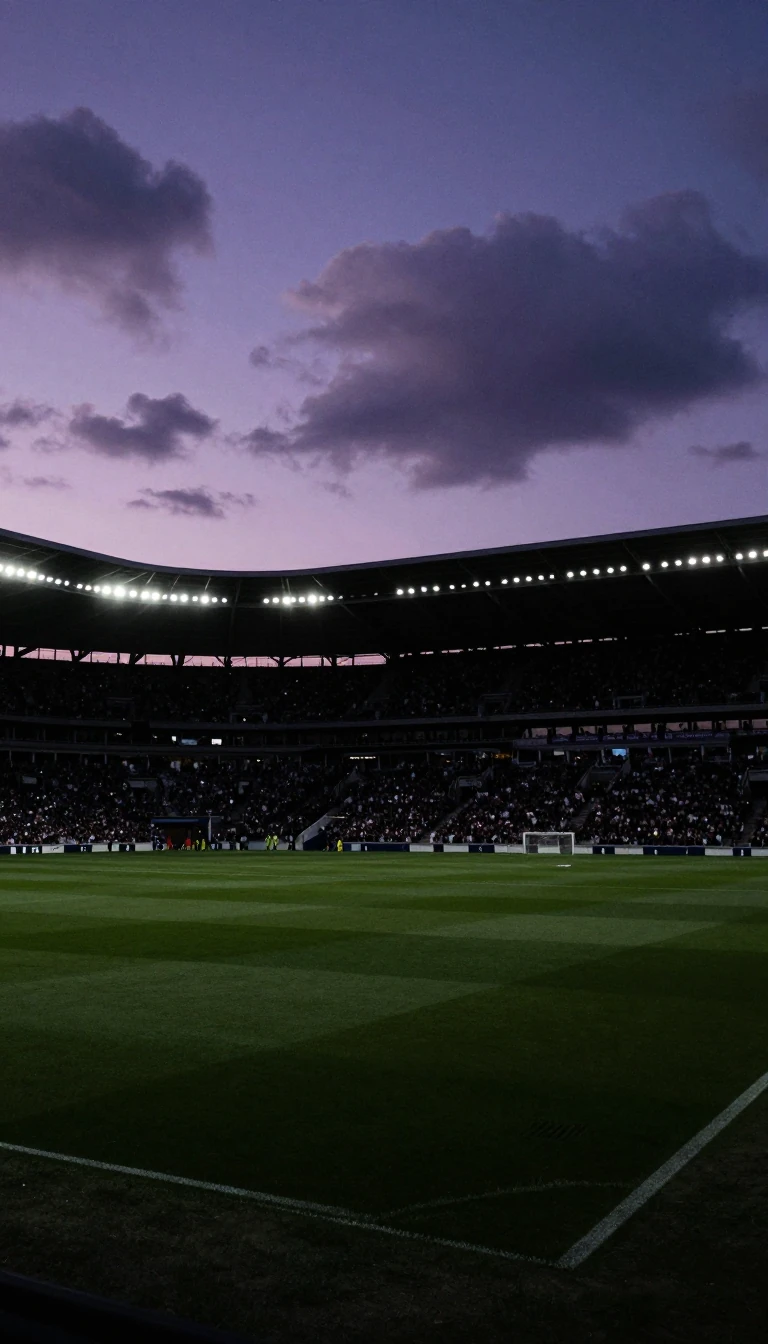
In short: In 1956, the English Football League dismissed the European Cup as a mere distraction, forbidding clubs from participating. Manchester United ignored this mandate, becoming the first English side to compete on the continent. Their defiance marked the beginning of a new era for English football in Europe's premier club tournament.
The 1956–57 European Cup was only the second iteration of the tournament, yet it saw a significant expansion in participation. Six new nations—Bulgaria, Czechoslovakia, England, Luxembourg, Romania, and Turkey—sent representatives, bringing the total number of competing teams to 22. This growth occurred despite institutional resistance in England, where the Football League maintained its stance that the competition was an unnecessary burden on the domestic calendar.
Real Madrid entered the tournament as the reigning champions and secured their second consecutive title by defeating Fiorentina 2–0 at their home ground, the Santiago Bernabéu Stadium, on 30 May 1957. Their inclusion was unique; they were granted a spot as title holders, allowing Spain to become the first nation to field two representatives. Manchester United, having qualified as English champions, navigated the tournament until they were eventually eliminated, notably avoiding an all-English clash against Athletic Bilbao in the quarter-finals.
This season introduced critical structural changes to resolve stalemates. For the first time, the competition utilized play-off matches when two-legged ties ended in an aggregate draw. This rule was invoked on three occasions: Borussia Dortmund against Spora Luxembourg, Nice against Rangers, and Real Madrid against Rapid Wien. The tournament's logistics were also notably decentralized compared to modern standards, with the initial draw held in Paris on 29 June 1956, and the participating teams themselves deciding the specific match calendar, provided all preliminary fixtures were completed by 1 October.
The tournament reflected the evolving landscape of European football. While most teams entered as national champions, Galatasaray participated despite the Turkish Süper Lig not being founded until 1959. Clubs like AGF, Anderlecht, Rapid Wien, and Real Madrid returned for their second consecutive appearance, cementing the competition's status as the premier stage for Europe's elite clubs.
Opens the Intellect+ feed with this card first. Swipe up for the next one.
Sources
- Summary by Intellect · source: 1956–57 European Cup
To cite this card, link to https://intellectplus.co.uk/app/culture-1956-57-european-cup.
How we source, check and correct cards: Editorial standards.
General information, not professional advice. Spotted an error? Flag the card or see corrections and complaints.
Intellect Plus is a visual educational discovery platform for exploring fascinating facts and ideas. Brain Food, Not Brain Rot. What is Intellect Plus?
Related
More in UK & Irish culture · More in Cultures · Latest · A–Z · All topics
