How the 1958 Tokyo Asian Games birthed a new regional sporting tradition
In short: The 1958 Asian Games in Tokyo were more than a regional athletic competition. They introduced the torch relay to the Asian Games, set records for participation, and served as the unlikely birthplace for the Southeast Asian Games, forever changing the landscape of international sport in the region.
Held from 24 May to 1 June 1958, the Third Asian Games marked the first time Japan hosted the event. Governed by the Asian Games Federation, the Games attracted 1,820 athletes from 20 nations, a significant increase from the 11 nations that participated in the inaugural 1951 edition in New Delhi. The event featured 97 competitions across 13 sports, including the debut of field hockey, table tennis, tennis, and volleyball in the Asian Games program.
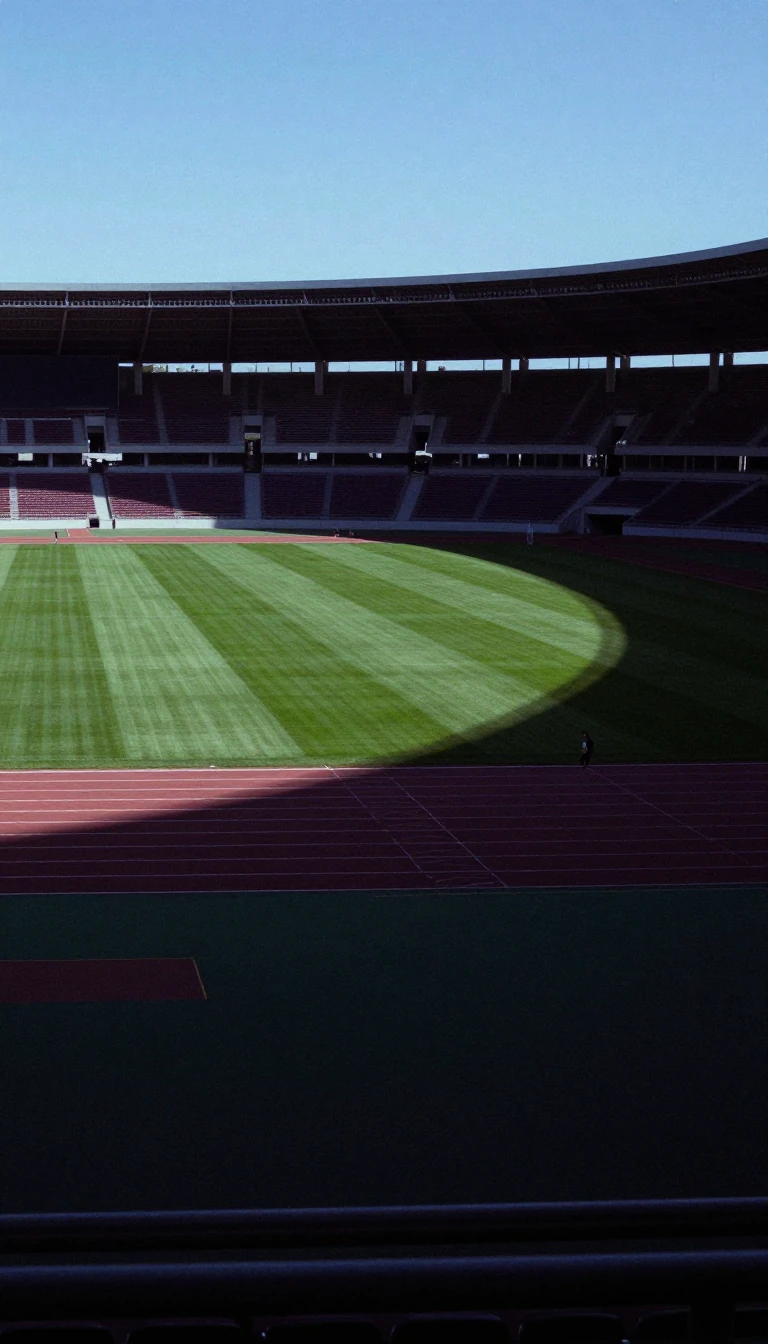
The 1958 Games were notable for several cultural and procedural innovations. Inspired by the Olympics, organizers introduced the first Asian Games torch relay, which began at the Rizal Memorial Coliseum in Manila and traveled through Okinawa—then under United States administration—to Kyushu. The opening ceremony at the National Olympic Stadium drew 70,000 spectators and was attended by Emperor Hirohito, Crown Prince Akihito, and the Shah of Iran, Mohammad Reza Pahlavi. The cauldron was ignited by Mikio Oda, Japan's first Olympic gold medalist.
Beyond the main competition, the Games acted as a diplomatic catalyst. On 22 May 1958, the Thai delegation met with representatives from Malaysia, Burma, and Laos to discuss creating a regional multi-sport event. This meeting laid the groundwork for the Southeast Asian Peninsular Games, which held its first event in Bangkok in 1959. Meanwhile, on the track, the Japanese 4 × 100 metres medley relay team—comprising Keiji Hase, Masaru Furukawa, Manabu Koga, and Takashi Ishimoto—captured gold with a world-record time of 4:17.2.
While 16 countries secured medals, four nations—Afghanistan, Cambodia, Nepal, and North Borneo—left without any. The event underscored the growing ambition of Asian sports, with non-Olympic sports like judo and table tennis gaining prominence. By the time the Games concluded, they had established a template for regional cooperation and athletic excellence that would influence the development of sports infrastructure across the continent for decades to come.
Opens the Intellect+ feed with this card first. Swipe up for the next one.
Sources
- Summary by Intellect · source: 1958 Asian Games
To cite this card, link to https://intellectplus.co.uk/app/culture-1958-asian-games.
How we source, check and correct cards: Editorial standards.
General information, not professional advice. Spotted an error? Flag the card or see corrections and complaints.
Intellect Plus is a visual educational discovery platform for exploring fascinating facts and ideas. Brain Food, Not Brain Rot. What is Intellect Plus?
Related
More in UK & Irish culture · More in Cultures · Latest · A–Z · All topics
