The tragic human cost of a bureaucratic misunderstanding in 1935
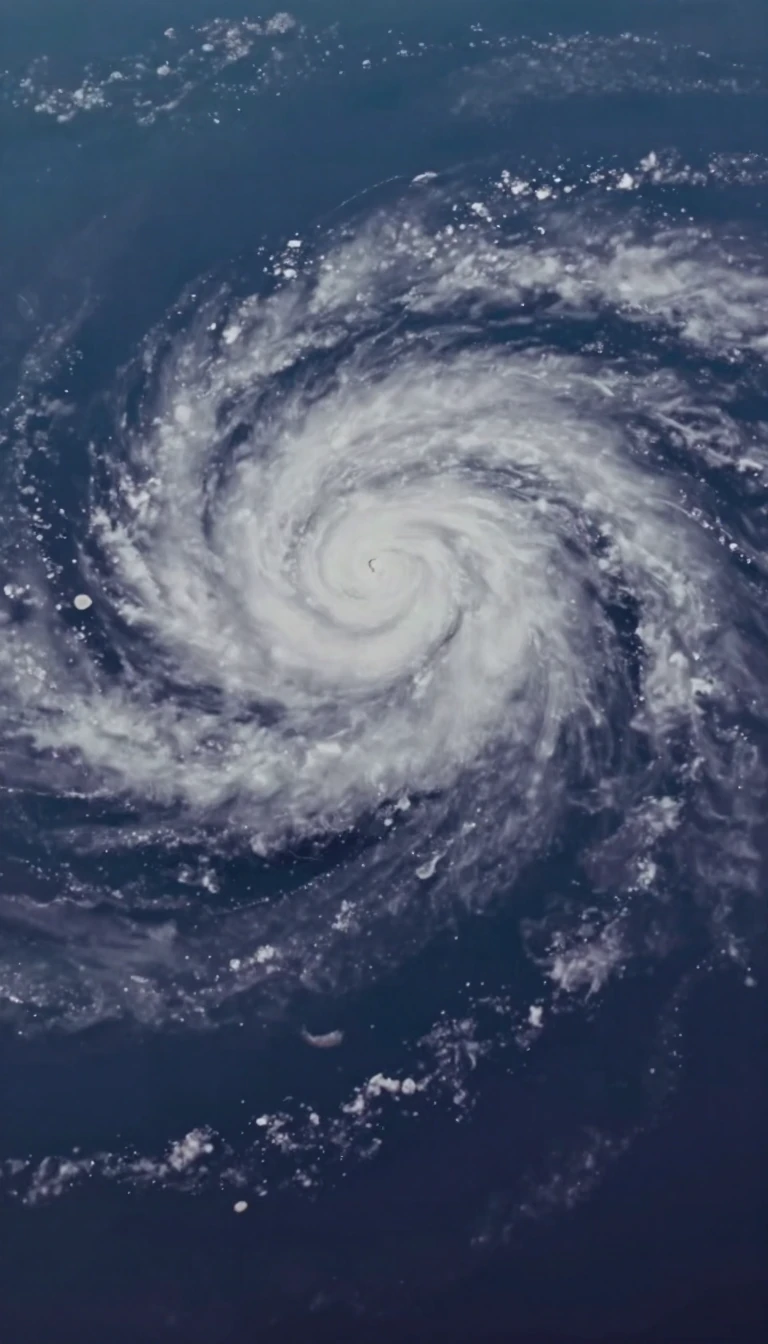
In short: In the depths of the Great Depression, a federal project to build roads in the Florida Keys became a death trap. A simple failure to clarify a train's readiness left hundreds of World War I veterans stranded as the most intense hurricane to ever strike the United States roared toward them.
During the 1930s, Key West was struggling with bankruptcy and an average monthly income of just $7. To revitalize the area, the government planned to build roads using jobless World War I veterans—many of whom suffered from 'shell shock' (PTSD). These men were housed in three cheaply constructed beachfront work camps that sat only a foot or two above sea level. Because they were far from public scrutiny and paid $30 a month plus room and board, the project was seen as a convenient solution for both the government and the troubled veterans.
The disaster hinged on a communication breakdown between Fred Ghent, an engineer in Jacksonville, and Ray Sheldon, the camp supervisor. Ghent believed a special Florida East Coast Railway train would be kept in constant readiness to evacuate the men at a moment's notice. In reality, railway officials required several hours of assembly time unless Ghent paid extra for it. Because he missed this detail, he told Sheldon the evacuation plan was secure. When the storm began to approach on September 2, 1935, Sheldon—who had just returned from a honeymoon—was not prepared to act immediately.
The resulting hurricane was catastrophic, reaching peak intensity of 892 millibars and sustained winds of 185 mph near Long Key. It produced a storm surge of 18 to 20 feet that obliterated the town of Islamorada and destroyed nearly all structures between Tavernier and Marathon. At least 250 veterans died in the camps. The tragedy was compounded by the Weather Bureau's recent advertising campaign, which had falsely assured the public that hurricanes would no longer be able to approach with 'stealthy' surprises.
This event remains a stark example of how administrative oversight and poor infrastructure can turn a relief effort into a humanitarian crisis. It highlights the vulnerability of marginalized populations—in this case, disabled veterans—who were placed in high-risk environments for the sake of economic repackaging.
Opens the Intellect+ feed with this card first. Swipe up for the next one.
Sources
- Summary by Intellect · source: The True Story of the 1935 Labor Day Hurricane That Hit the Florida Keys
- Also: 1935 Labor Day hurricane
To cite this card, link to https://intellectplus.co.uk/app/culture-1935-labor-day-hurricane.
How we source, check and correct cards: Editorial standards.
General information, not professional advice. Spotted an error? Flag the card or see corrections and complaints.
Intellect Plus is a visual educational discovery platform for exploring fascinating facts and ideas. Brain Food, Not Brain Rot. What is Intellect Plus?
Related
More in US culture · More in Cultures · Latest · A–Z · All topics
