The 1992 Albertville Winter Olympics marked the end of an era for global sports.
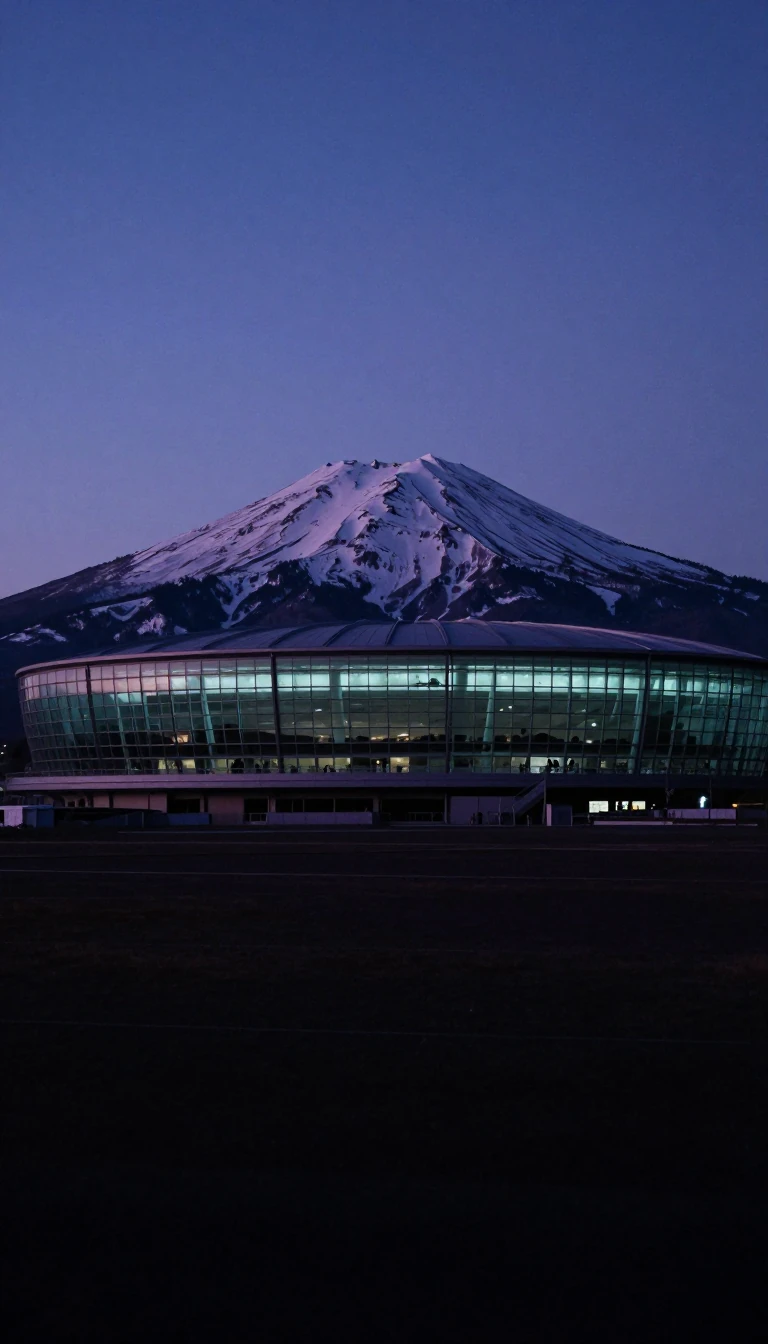
In short: The 1992 Games in France were the final Winter Olympics held in the same year as the Summer Games. They also served as a swan song for open-air speed skating and demonstration sports, capturing a unique, transitional moment in Olympic history before the schedule shifted to a new, alternating biennial rhythm.
Held from February 8 to 23, 1992, the Albertville Games were a logistical feat spanning ten distinct locations across the Savoie region. The event hosted 1,801 athletes from 64 nations, including a Unified Team representing former Soviet republics and a newly reunited Germany. This edition was the last to feature demonstration sports like speed skiing and ski ballet, and the final time speed skating events were conducted in an open-air venue, a practice discontinued due to 1986 rule changes.
The Games were defined by both triumph and tragedy. While athletes like Bjørn Dæhlie and Bonnie Blair dominated their respective fields, the event was marred by the death of Swiss speed skier Nicolas Bochatay, who collided with a snow-grooming vehicle during a training run. Despite such challenges, the Games saw historic firsts, including South Korea’s first Winter Olympic gold and New Zealand’s first podium finish, marking the arrival of new nations on the global winter stage.
Economically, the Albertville Games proved costly. The Oxford Olympics Study estimated the outturn cost at US$2.0 billion in 2015-dollars, with a 137% cost overrun. These figures reflect the direct capital and operational expenses required to stage the event across multiple mountain resorts. While the Games were the last to share a calendar year with the Summer Olympics, they set a precedent for the modern, alternating cycle that has defined the Olympic movement ever since.
The mascot, Magique, a star-and-cube-shaped imp, symbolized the dreams and imagination of the host nation. Beyond the competition, the 1992 Games served as a geopolitical snapshot, occurring as the Soviet Union dissolved and Yugoslavia faced internal upheaval. By the time the closing ceremonies concluded, the Olympic landscape had been permanently altered, paving the way for the Lillehammer Games just two years later.
Opens the Intellect+ feed with this card first. Swipe up for the next one.
Sources
- Summary by Intellect · source: 1992 Winter Olympics
To cite this card, link to https://intellectplus.co.uk/app/culture-1992-winter-olympics.
How we source, check and correct cards: Editorial standards.
General information, not professional advice. Spotted an error? Flag the card or see corrections and complaints.
Intellect Plus is a visual educational discovery platform for exploring fascinating facts and ideas. Brain Food, Not Brain Rot. What is Intellect Plus?
Related
More in US culture · More in Cultures · Latest · A–Z · All topics
