How the 1998 Nagano Winter Olympics Overcame Earthquakes, Heavy Snow, and Corporate Intrusion
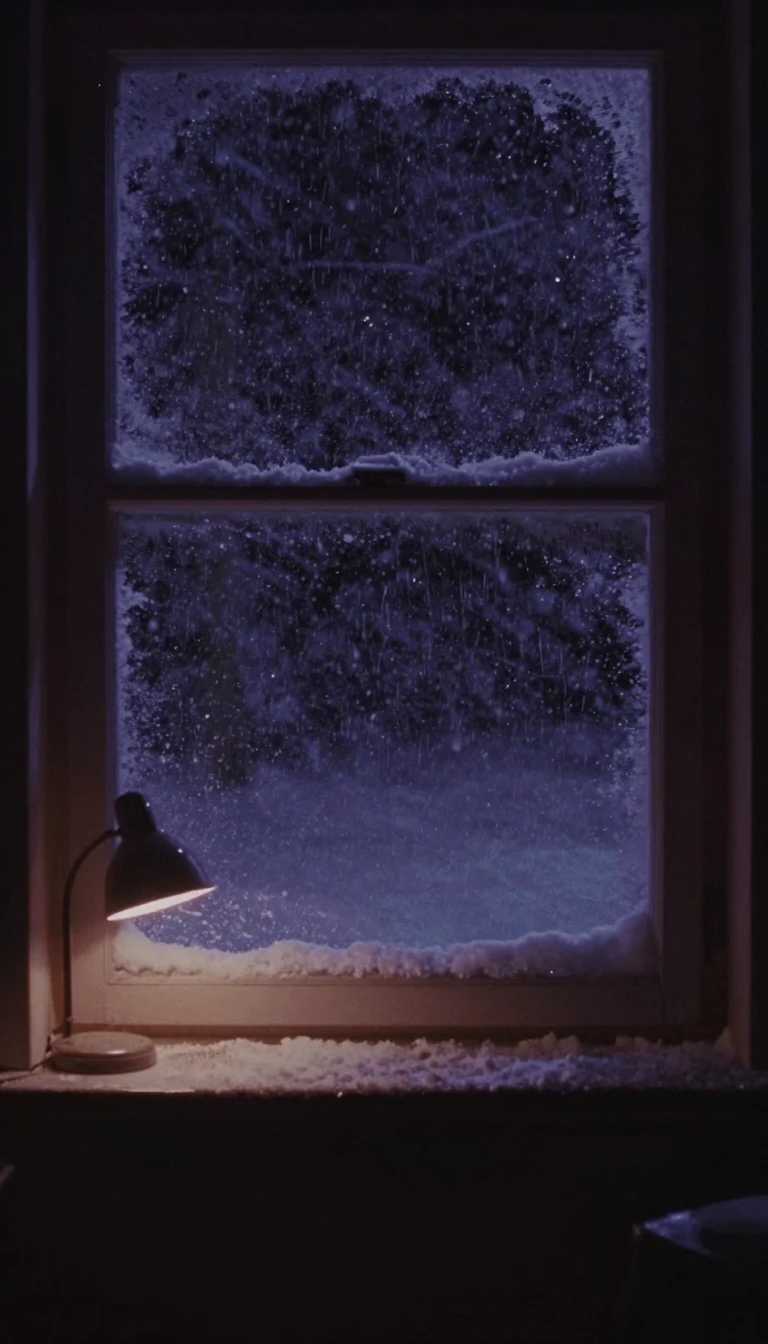
In short: The 1998 Winter Olympics in Nagano, Japan, were defined by more than just athletic achievement. Amidst heavy snow, freezing rain, and a moderate earthquake, organizers managed to deliver a successful event that stood out for its relative restraint regarding corporate sponsorship compared to the previous Summer Games in Atlanta.
Held from February 7 to 22, 1998, the Nagano Games marked the 18th Winter Olympics. The event set records for the time, hosting over 2,100 athletes from 72 national Olympic committees. Despite the logistical challenges posed by severe weather and a February 20 earthquake that shook the host city and surrounding venues, the Games were widely praised for their efficiency and organization.
The program saw significant expansion, introducing snowboarding, curling, and women’s ice hockey. These additions were not without drama; Canadian snowboarder Ross Rebagliati was briefly disqualified after testing positive for marijuana, though he was later cleared to keep his gold medal. Meanwhile, the men’s ice hockey tournament saw a surprise victory by the Czech Republic, bolstered by the performance of goalie Dominik Hašek.
Individual performances defined the legacy of the Nagano Games. Norwegian cross-country skier Bjørn Daehlie solidified his status as one of the greatest in his sport, bringing his career total to eight gold and four silver medals. German luger Georg Hackl achieved an unprecedented third consecutive gold in the singles event. Host nation Japan also enjoyed its most successful Winter Olympics, securing 10 medals, including a dramatic team ski jumping victory led by Kazuyoshi Funaki.
Beyond the competition, the Games were notable for their diplomatic and financial context. In accordance with a United Nations resolution, warring nations Bosnia and Herzegovina and Yugoslavia observed a ceasefire during the event. However, the legacy of the bid process remains complicated; years later, it was revealed that the Nagano bid committee spent approximately $14 million entertaining IOC members, with financial records subsequently destroyed.
Opens the Intellect+ feed with this card first. Swipe up for the next one.
Sources
- Summary by Intellect · source: Nagano 1998 Olympic Winter Games | Results, Medals, Location, Notable Athletes, & Facts | Britannica
- Also: 1998 Winter Olympics
To cite this card, link to https://intellectplus.co.uk/app/culture-1998-winter-olympics.
How we source, check and correct cards: Editorial standards.
General information, not professional advice. Spotted an error? Flag the card or see corrections and complaints.
Intellect Plus is a visual educational discovery platform for exploring fascinating facts and ideas. Brain Food, Not Brain Rot. What is Intellect Plus?
Related
More in Languages · More in Cultures · Latest · A–Z · All topics
