How climate change supercharged the rainfall of the record-breaking 2020 hurricane season
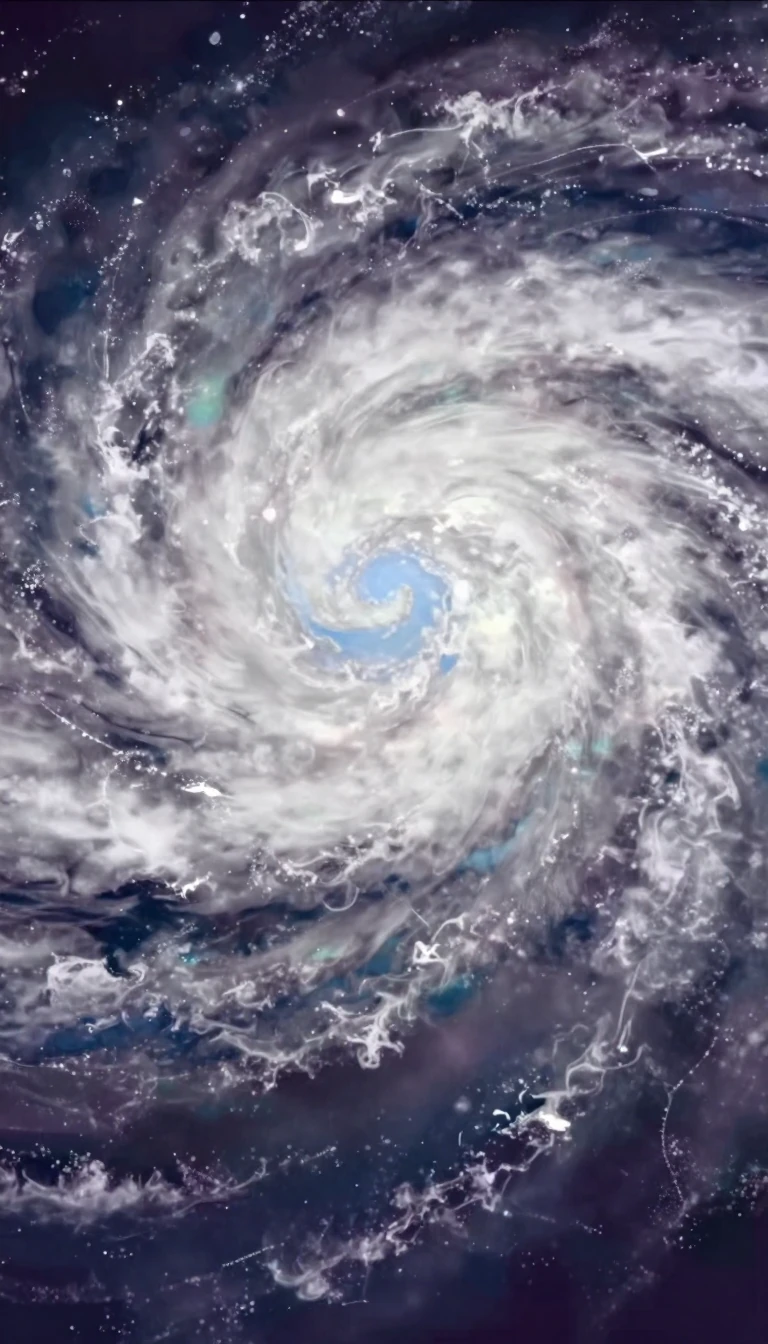
In short: The 2020 Atlantic hurricane season was a historic anomaly, featuring a record 30 named storms. While much focus falls on wind speeds, scientists are uncovering how human-induced warming fundamentally altered the very nature of these storms, significantly increasing the extreme rainfall rates that cause devastating floods across North America and the Caribbean.
The 2020 season was one of the most active on record, characterized by unprecedented activity fueled by a La Niña that developed during the summer months. This activity resulted in 30 named storms, 14 of which intensified into hurricanes, including a record-tying seven major hurricanes. The economic impact was staggering, with estimates for total long-term costs exceeding $40 billion.
Research published in Nature Communications in April 2022 suggests that human-induced climate change played a direct role in intensifying the rainfall from these storms. By using hindcast attribution methodologies—comparing the actual world to a counterfactual world without human interference—scientists found that greenhouse gas emissions have increased global average surface temperatures by more than 1 °C compared to 1850 levels.
This warming has a cascading effect on storm physics. The rise in global temperatures contributed to a 0.4–0.9 °C increase in sea surface temperatures across the North Atlantic basin during the 2020 season. Because hurricanes are fueled by the energy and moisture of warm oceans, this thermal increase directly amplified precipitation. Specifically, for storms at tropical storm strength, extreme 3-hourly rainfall rates increased by 10%, while extreme 3-day accumulated rainfall amounts rose by 5%. For more powerful hurricane-strength storms, these increases were even higher, reaching 11% and 8% respectively.
While quantifying the exact impact of rising sea surface temperatures remains a scientific challenge due to competing factors like wind shear and atmospheric stability, the 2020 season provides a clear example of how warming alters the three-dimensional state of atmospheric moisture. This shift makes extreme precipitation events more likely, increasing the overall destruction caused by flooding.
Opens the Intellect+ feed with this card first. Swipe up for the next one.
Sources
- Summary by Intellect · source: Attribution of 2020 hurricane season extreme rainfall to human-induced climate change - Nature Communications
- Also: 2020 Atlantic hurricane season
To cite this card, link to https://intellectplus.co.uk/app/culture-2020-atlantic-hurricane-season.
How we source, check and correct cards: Editorial standards.
General information, not professional advice. Spotted an error? Flag the card or see corrections and complaints.
Intellect Plus is a visual educational discovery platform for exploring fascinating facts and ideas. Brain Food, Not Brain Rot. What is Intellect Plus?
Related
More in US culture · More in Cultures · Latest · A–Z · All topics
