How a 1930s skyscraper used double-deck elevators to defy the limits of physics
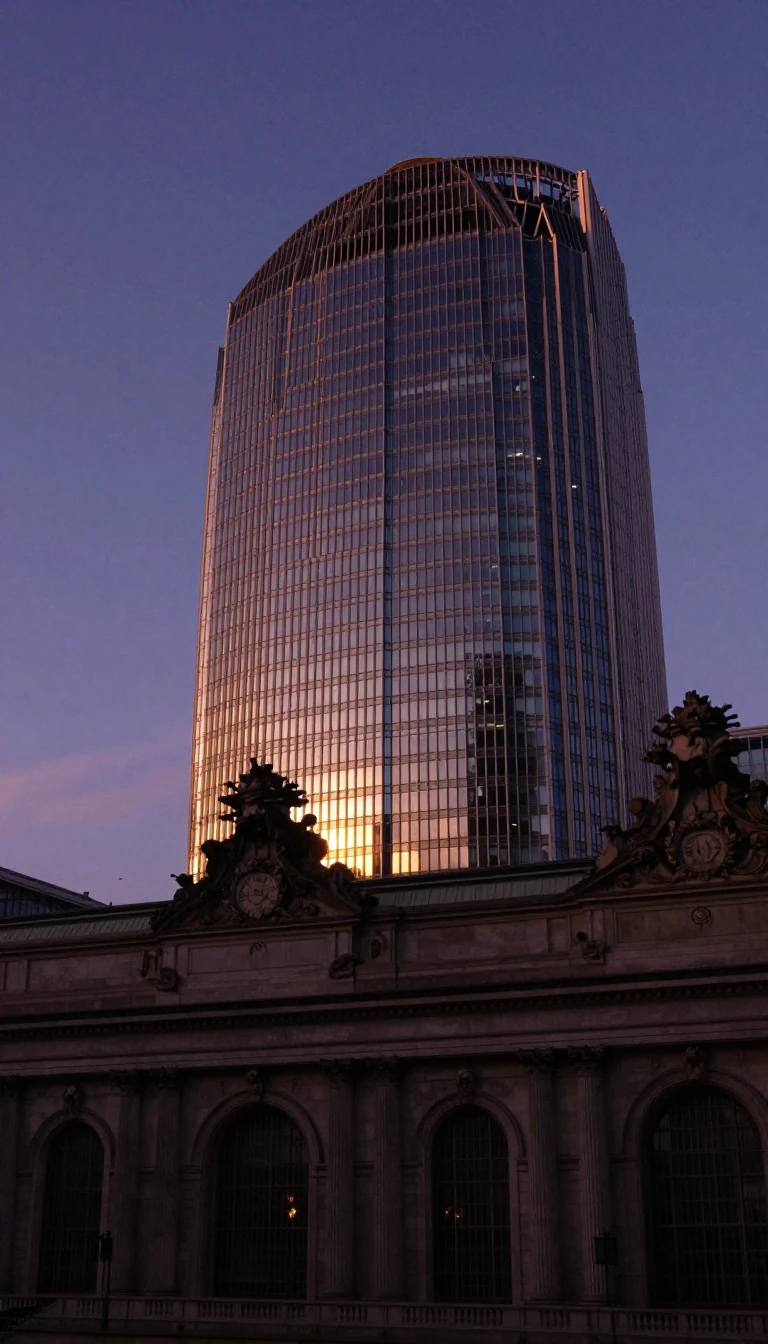
In short: When developers faced a cramped lot and strict zoning laws, they turned to a radical engineering solution: the world's first double-deck elevators. By stacking cabs to serve odd and even floors separately, 70 Pine Street maximized rentable space and saved a fortune in construction costs during the Great Depression.
Completed in 1932, 70 Pine Street was designed by Clinton & Russell, Holton & George as the headquarters for the Cities Service Company. The building was a product of the intense skyscraper race in Lower Manhattan, rising 952 feet to become the third-tallest building in the world at the time. Its Art Deco design, characterized by dramatic setbacks mandated by the 1916 Zoning Resolution, allowed the structure to taper elegantly while maximizing natural light for its tenants.
The building's most innovative feature was its vertical transportation. Because the lot was small, traditional elevator banks would have consumed too much floor area, making the project unprofitable above 48 stories. Otis Elevator Company solved this by installing eight double-deck elevators, which served odd and even floors from separate decks. This configuration reportedly saved $200,000 in construction costs and added 40,000 square feet of leasable space. The building also pioneered the use of escalators in an office setting, modeling its lower-level circulation after a department store to move thousands of employees efficiently.
Beyond its structural ingenuity, 70 Pine Street was a marvel of integrated technology. It featured a sophisticated unit-ventilating system that filtered and warmed air without the need for bulky fan rooms, and a hot-water heating system with individual radiator controls. The interior was equally lavish, featuring multicolored European marbles and intricate aluminum ornamentation designed by Cliff Parkhurst. Though originally intended to house a private penthouse for founder Henry Latham Doherty, the top floors eventually became a public observatory, offering views of the city until the building's conversion to residential use in 2016.
The skyscraper's history reflects the shifting fortunes of the Financial District. After AIG acquired the building in 1976, it served as corporate office space for decades. Following AIG's bankruptcy, the building was sold in 2009 and later designated a New York City landmark in 2011. Today, the structure houses 612 apartments and fine-dining establishments, preserving its status as an architectural icon that once balanced industrial utility with the aesthetic grandeur of the Jazz Age.
Opens the Intellect+ feed with this card first. Swipe up for the next one.
Sources
- Summary by Intellect · source: 70 Pine Street
To cite this card, link to https://intellectplus.co.uk/app/culture-70-pine-street.
How we source, check and correct cards: Editorial standards.
General information, not professional advice. Spotted an error? Flag the card or see corrections and complaints.
Intellect Plus is a visual educational discovery platform for exploring fascinating facts and ideas. Brain Food, Not Brain Rot. What is Intellect Plus?
Related
More in US culture · More in Cultures · Latest · A–Z · All topics
