The ancient city where the name Christian first emerged
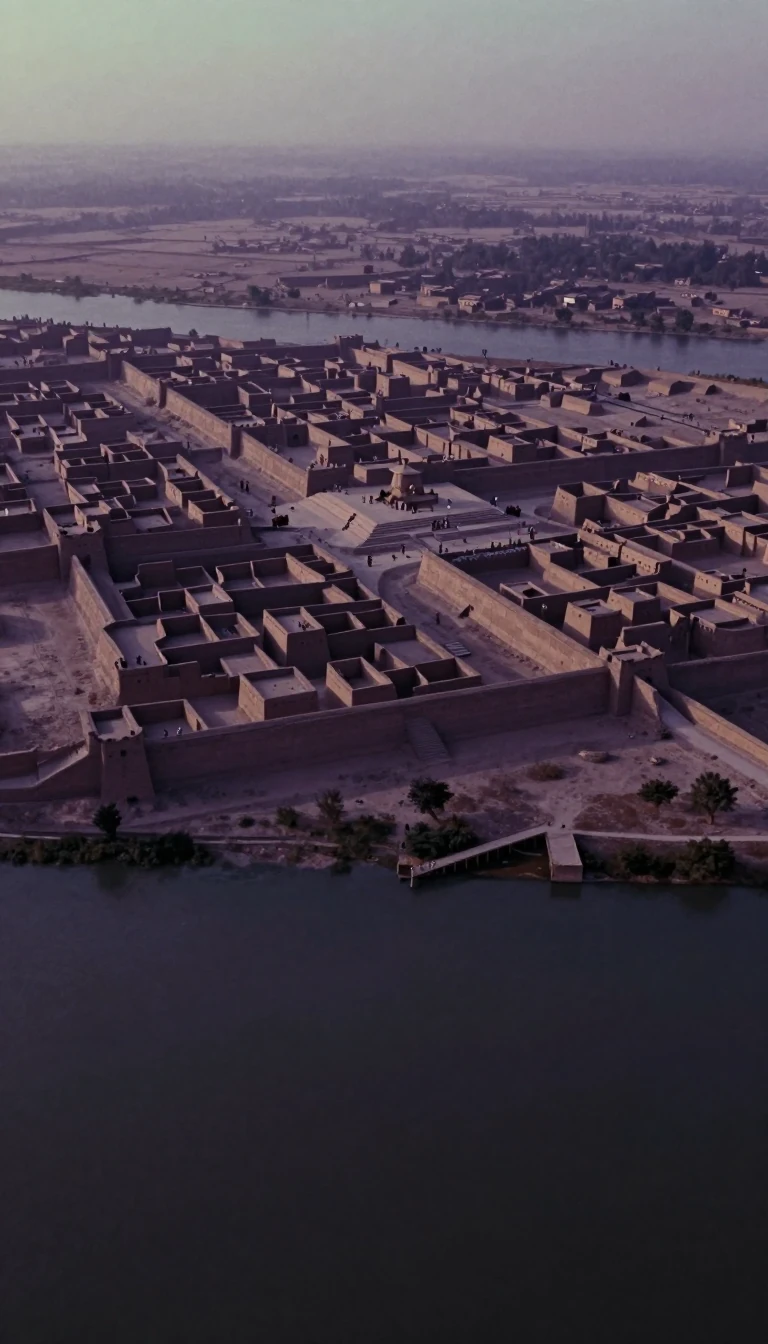
In short: For millennia, Antakya has been a crossroads of empires, religions, and migrations. From the Seleucid Empire to the Ottoman era, this fertile Orontes valley stronghold has seen the rise and fall of civilizations, surviving countless sieges and shifts in global trade routes.
Founded around 300 BC by the Seleucid emperor Seleucus I Nicator, the city—known historically as Antioch—was a vital hub for the Roman, Byzantine, and Persian empires. It holds a unique place in religious history; according to the New Testament, it was in Antioch that the followers of Jesus were first called 'Christians.' The city's strategic location near the Mediterranean made it a prize for conquerors, including Alexander the Great's successors and later the Crusaders.
The city's history is marked by intense conflict and shifting allegiances. It was captured by the Rashidun Caliphate in the 7th century, later reconquered by the Byzantines in 969, and saw the arrival of the Seljuk Turks in 1084. The Crusades brought both significant change and immense violence, including a 1268 massacre by the Mamluk sultan Baybars. Over the centuries, the city transitioned from the French Mandate to the Turkish Republic, maintaining a cosmopolitan character where Turkish and Arabic are both spoken.
Despite its storied past, Antakya faces modern fragility. Situated at the northern edge of the Dead Sea Rift, the region is highly vulnerable to seismic activity. In February 202 and 23, two powerful earthquakes caused catastrophic damage, destroying historical landmarks like the Church of St. Paul and the Antakya Synagogue. The disaster left thousands homeless and contributed to the decline of the city's ancient Jewish community, which had existed for over 2,200 years.
Today, the city remains a vital center of the Hatay Province, though it struggles with the scars of recent disasters and the loss of its classic architectural beauty to rapid, modern redevelopment. While its population of approximately 400,000 continues to navigate the challenges of reconstruction, the city remains a significant site of pilgrimage and a testament to human endurance.
Opens the Intellect+ feed with this card first. Swipe up for the next one.
Sources
- Summary by Intellect · source: Antakya
To cite this card, link to https://intellectplus.co.uk/app/culture-antakya.
How we source, check and correct cards: Editorial standards.
General information, not professional advice. Spotted an error? Flag the card or see corrections and complaints.
Intellect Plus is a visual educational discovery platform for exploring fascinating facts and ideas. Brain Food, Not Brain Rot. What is Intellect Plus?
Related
More in UK & Irish culture · More in Cultures · Latest · A–Z · All topics
