The lightning-struck mission that mastered the art of the pinpoint landing
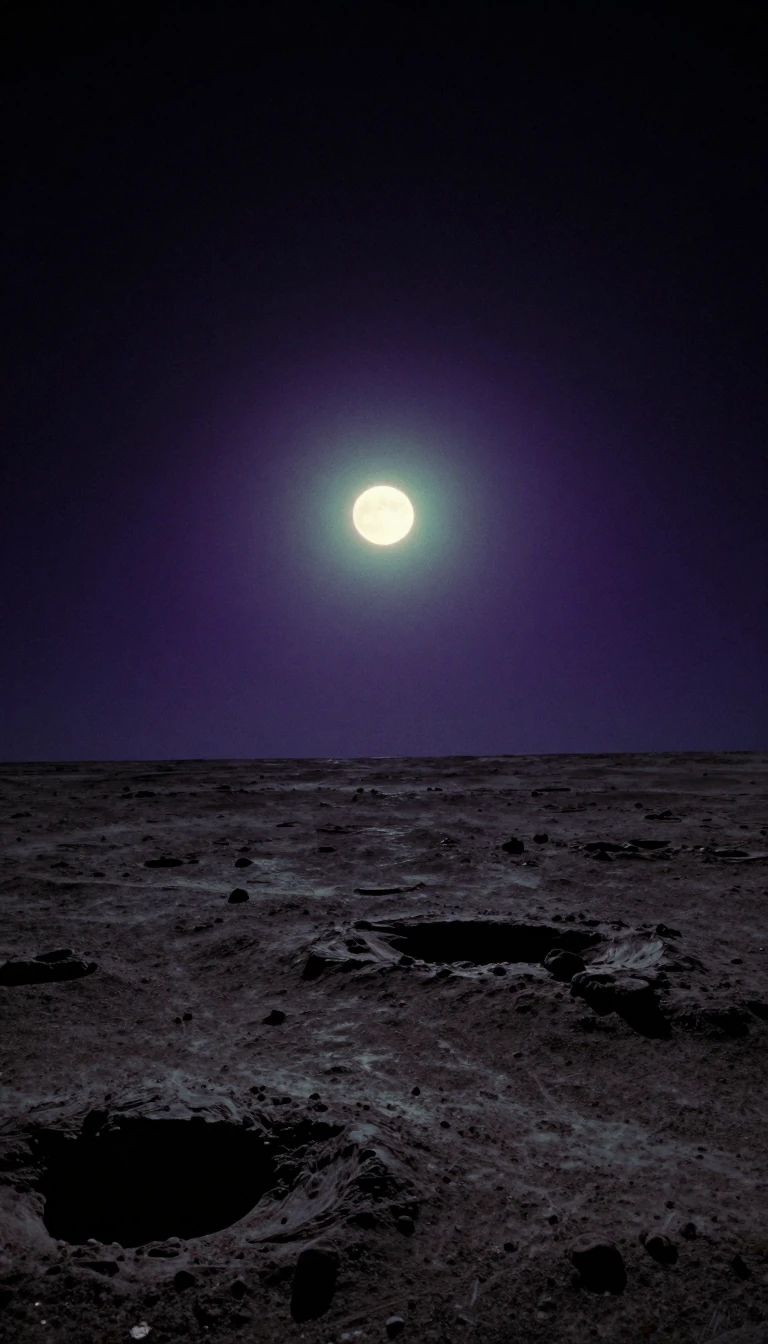
In short: Twice struck by lightning within sixty seconds of launch, Apollo 12 nearly ended before it began. Yet, this high-stakes flight achieved something unprecedented: landing within walking distance of a robotic probe to prove humans could navigate the lunar surface with surgical precision.
Launched on November 14, 1969, Apollo 12 faced immediate peril when lightning strikes caused significant instrumentation issues. The crew, led by Commander Charles "Pete" Conrad, managed to stabilize the craft by switching to auxiliary power. This survival allowed the mission to proceed to its primary goal: a precision landing in the Moon's Ocean of Storms.
The mission's success was defined by its accuracy. Astronauts Conrad and Alan Bean landed the Lunar Module Intrepid just 535 feet from the robotic Surveyor 3 lander. This proximity allowed the crew to inspect the effects of two and a half years of lunar exposure by retrieving components from the older probe. During their 31.6 hours on the surface, they also deployed the Apollo Lunar Surface Experiments Package (ALSEP), which included a seismometer that tracked thousands of moonquakes.
While Command Module Pilot Richard Gordon orbited above, Conrad and Bean collected 75 pounds of basaltic lunar samples. These rocks, aged between 3.1 and 3.3 billion years, provided a younger geological contrast to the Apollo 11 findings. Despite the mission's scientific triumphs, the experience was not without drama; an accidental camera tilt toward the Sun burned out the mission's first color television sensor, leaving Earth to rely on audio alone.
The mission's legacy is one of technical mastery. By proving that NASA could target specific, scientifically rich landing sites, Apollo 12 paved the way for more complex lunar exploration in subsequent missions.
Opens the Intellect+ feed with this card first. Swipe up for the next one.
Sources
- Summary by Intellect · source: Apollo 12 - NASA
- Also: Lunar - Missions - Apollo 12 Mission
- Also: Apollo 12
To cite this card, link to https://intellectplus.co.uk/app/culture-apollo-12.
How we source, check and correct cards: Editorial standards.
General information, not professional advice. Spotted an error? Flag the card or see corrections and complaints.
Intellect Plus is a visual educational discovery platform for exploring fascinating facts and ideas. Brain Food, Not Brain Rot. What is Intellect Plus?
Related
More in Festivals & celebrations · More in Cultures · Latest · A–Z · All topics
