The Roman Empire's most stable frontier was a desert oasis
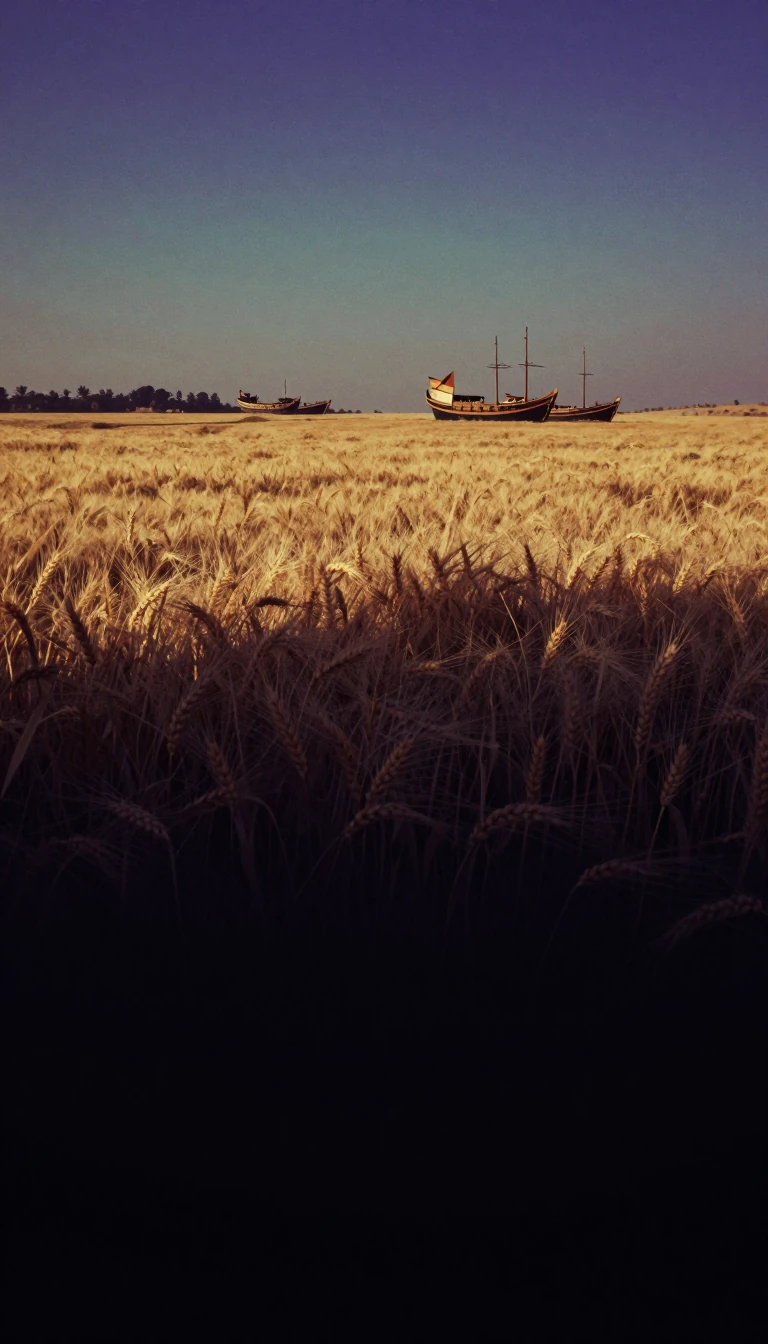
In short: While Rome lost vast territories in Mesopotamia and Armenia, one province remained remarkably constant. Arabia Petraea served as a vital economic artery for the empire, transforming from a nomadic kingdom into a sophisticated hub of maritime trade, incense, and spice.
Established in 105 CE by Emperor Trajan following the annexation of the Nabataean Kingdom, Arabia Petraea—meaning 'Stony' or 'Rocky' Arabia—was strategically positioned along the Limes Arabicus. This frontier served as a critical buffer against the desert interior. Unlike neighboring regions like Assyria or Armenia, which saw frequent shifts in imperial control during Trajan's reign, Arabia Petraea remained a stable Roman possession for centuries.
The province functioned as an economic powerhouse during the 2nd century. Its prosperity was rooted in its role as a gateway for caravan and maritime trade, transporting high-value goods such as incense and spices from the Far East to the Mediterranean world. To facilitate this commerce and maintain control over local nomadic tribes, the Romans constructed extensive roads connecting key urban settlements near the Jordan River.
The administrative seat of the province shifted over time. Initially, the capital was Petra—the famous religious and cultural center of the Nabataeans. However, it was later moved to Buṣrā al-Shām (also known as Bostra) in Syria. By the late 3rd century, Emperor Diocletian began a massive administrative reorganization that eventually saw the territory divided or merged into new entities like Palaestina Salutaris.
The region's cultural identity shifted significantly with the rise of Christianity. After 313 CE, when Christianity became a recognized religion, a large number of churches were constructed throughout the province. This transition from a trade-centric pagan kingdom to a Christianized Roman province highlights the area's role as a melting pot of Hellenistic, Roman, and Near Eastern influences before its eventual decline following the Arab conquests.
Opens the Intellect+ feed with this card first. Swipe up for the next one.
Sources
- Summary by Intellect · source: Arabia Petraea | ancient region, Arabia | Britannica
- Also: Arabia Petraea
To cite this card, link to https://intellectplus.co.uk/app/culture-arabia-petraea.
How we source, check and correct cards: Editorial standards.
General information, not professional advice. Spotted an error? Flag the card or see corrections and complaints.
Intellect Plus is a visual educational discovery platform for exploring fascinating facts and ideas. Brain Food, Not Brain Rot. What is Intellect Plus?
Related
More in Festivals & celebrations · More in Cultures · Latest · A–Z · All topics
