The art of the Asmat is a dialogue with ancestors
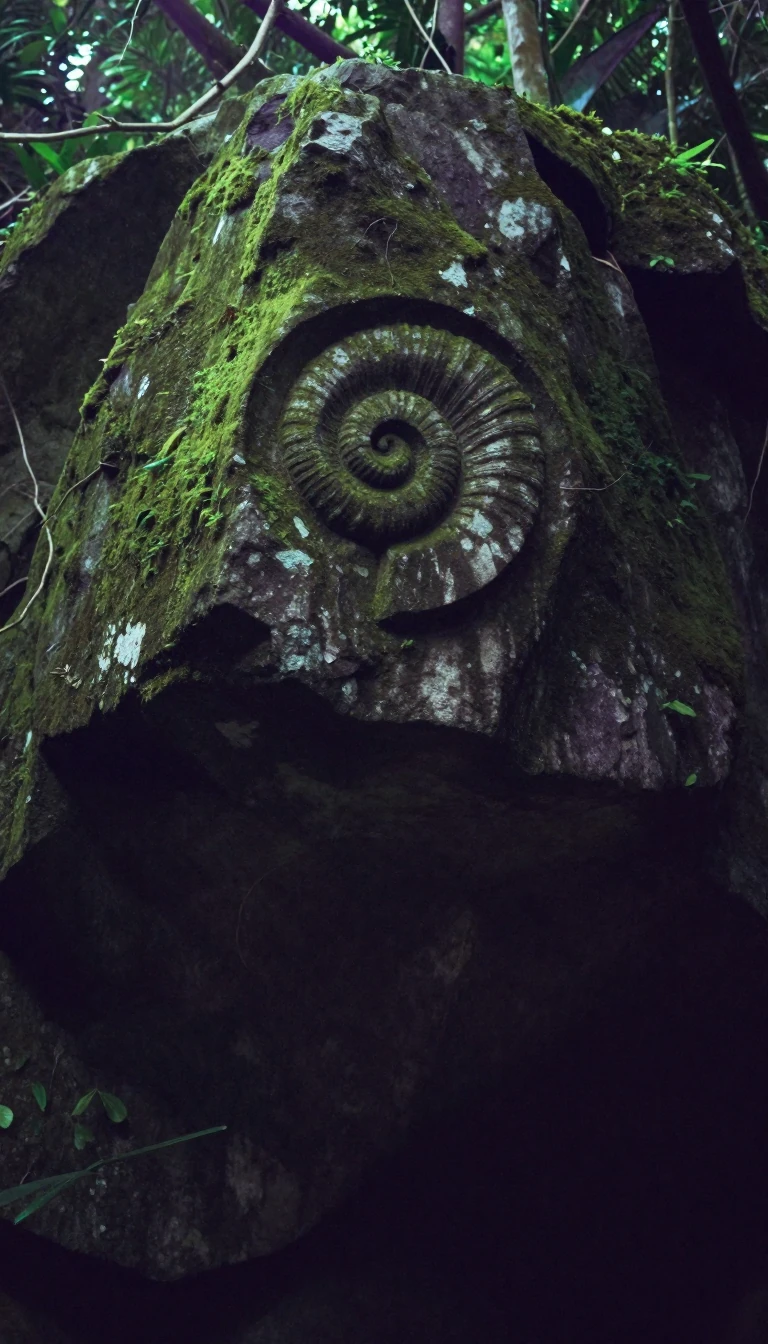
In short: In the mangrove swamps of South Papua, woodcarving is not merely an aesthetic choice; it is a spiritual necessity. For the Asmat people, every intricate carving serves to honor the dead and maintain a living connection between the forest's biodiversity and their ancestral lineage.
The Asmat culture is defined by its profound integration with the natural environment of the southwestern coast of New Guinea. Inhabiting roughly 18,000 km2 of mangrove, tidal swamps, and lowland rainforest, the people have historically relied on sago palm starch, forest game, and river resources for survival. This intimacy with nature extends to their architecture; due to frequent flooding, they traditionally build dwellings (jew) raised two or more meters above the ground on wooden posts, while some inland groups lived in tree houses reaching 25 meters high.
Central to Asmat identity is the veneration of ancestors, particularly accomplished warriors. This belief manifests in elaborate woodcarvings like the bisj pole, which are designed to honor the deceased. While headhunting and cannibalism were historically central to these rituals—driven by a belief that death was caused by enemies requiring revenge—these practices were suppressed by missionaries in the mid-20th century. Instead, many cultural cycles, such as shield ceremonies, were adapted into Catholic liturgy, preserving the artistic tradition while shifting its social context.
The global recognition of Asmat art began with early 20th-century exploratory excursions that brought artifacts to Europe, influencing modernist masters like Picasso and Matisse. Despite their remote isolation until the 1950s, the 'exceptionally expressive' style caused a sensation in Western collecting circles post-WWII. Today, while the community navigates modern education and technology, they maintain strong cultural pride through institutions like the Asmat Museum of Culture and Progress and annual woodcarving competitions established in 1981.
Opens the Intellect+ feed with this card first. Swipe up for the next one.
Sources
- Summary by Intellect · source: Asmat people
To cite this card, link to https://intellectplus.co.uk/app/culture-asmat-people.
How we source, check and correct cards: Editorial standards.
General information, not professional advice. Spotted an error? Flag the card or see corrections and complaints.
Intellect Plus is a visual educational discovery platform for exploring fascinating facts and ideas. Brain Food, Not Brain Rot. What is Intellect Plus?
Related
More in Peoples & civilisations · More in Cultures · Latest · A–Z · All topics
