Brutal death metal prioritizes rhythmic intensity and guttural power over traditional melodic song structures
In short: Emerging from the New York scene in the late 1980s, brutal death metal stripped away melody to focus on speed, downtuned guitars, and extreme vocal techniques. This subgenre evolved into the groove-heavy slam death metal, a style that transformed the mosh pit into a global, rhythm-focused musical phenomenon.
Brutal death metal is defined by its rejection of conventional tunefulness, favoring instead a sonic landscape of rhythmic complexity and extreme heaviness. While the term 'brutal' appeared in demo tapes as early as 1988 with the Czech band Krabathor and the Swedish group Carnage, the genre found its definitive identity in New York. Suffocation, formed in 1988, is widely credited with pioneering the sound, particularly through their 1991 debut, Effigy of the Forgotten. Vocalist Frank Mullen introduced a deeper style of death growl, now known as gutturals, which became a hallmark of the genre alongside palm-muted, downtuned guitar riffs.
The evolution of the genre saw a significant shift in the mid-1990s as bands like Cryptopsy, Nile, Origin, and Dying Fetus pushed toward greater technical proficiency. Simultaneously, a subgenre known as slam death metal emerged, rooted in the groove-oriented approach of New York bands like Internal Bleeding and Pyrexia. The term 'slam' was adopted by Internal Bleeding to describe their mosh-inducing breakdowns, specifically to distance their sound from the lighter, jovial associations of the word 'mosh' at the time. The breakdown in Suffocation's 1991 track 'Liege of Inveracity' is frequently cited as the first true slam riff, setting a template for mid-tempo, syncopated rhythms that prioritize physical movement over guitar solos.
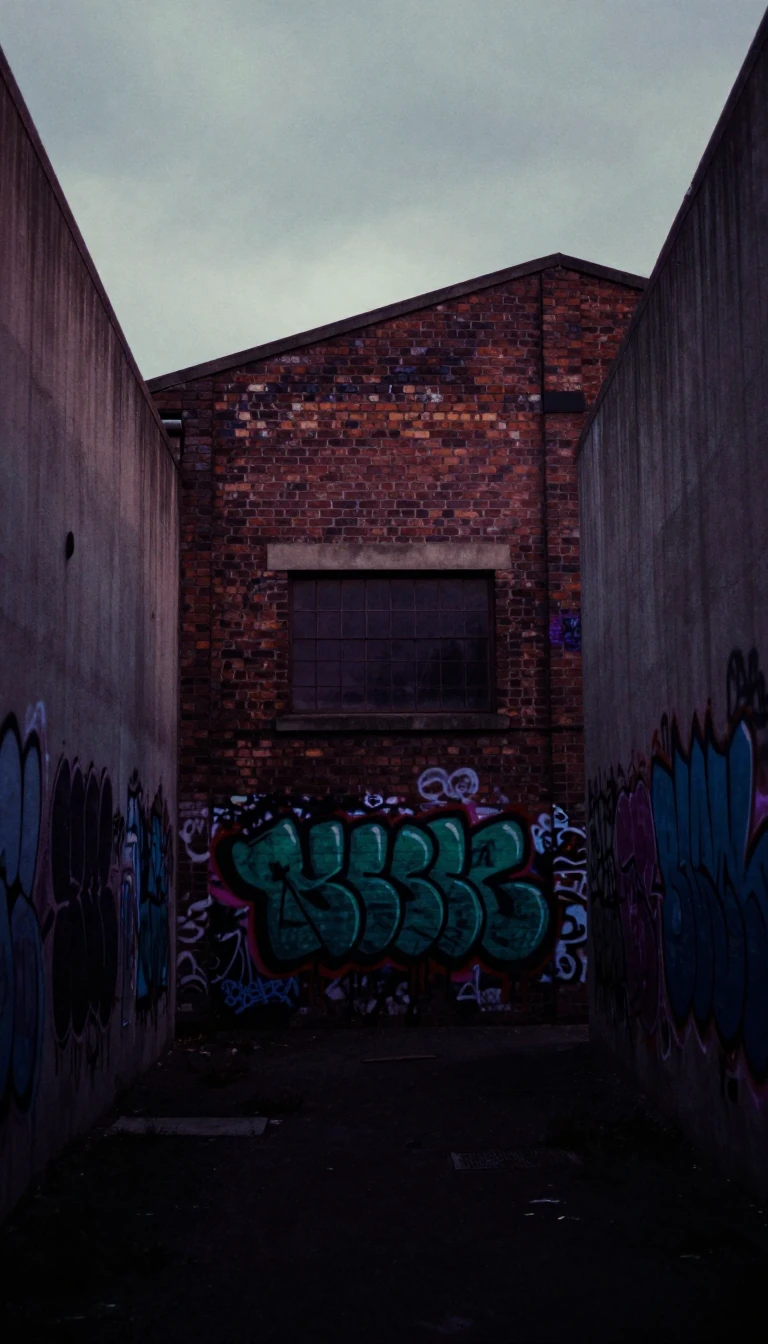
By the mid-2000s, the genre experienced a global resurgence, fueled by online communities and the rise of deathcore. This era saw the emergence of scenes far beyond the United States, including notable activity in Russia, the Netherlands, and the United Kingdom, where Manchester earned the nickname 'Slamchester.' Modern iterations of the genre often feature cleaner production values compared to the raw, abrasive recordings of the early 1990s. Despite its divisive nature, the influence of slam remains profound, having shaped the development of beatdown hardcore and deathcore while continuing to integrate its signature rhythmic structures into diverse metal subgenres.
Opens the Intellect+ feed with this card first. Swipe up for the next one.
Sources
- Summary by Intellect · source: Brutal death metal
To cite this card, link to https://intellectplus.co.uk/app/culture-brutal-death-metal.
How we source, check and correct cards: Editorial standards.
General information, not professional advice. Spotted an error? Flag the card or see corrections and complaints.
Intellect Plus is a visual educational discovery platform for exploring fascinating facts and ideas. Brain Food, Not Brain Rot. What is Intellect Plus?
Related
More in Culture · More in Cultures · Latest · A–Z · All topics
