How a secret project became the best-selling entry in a legendary gaming franchise
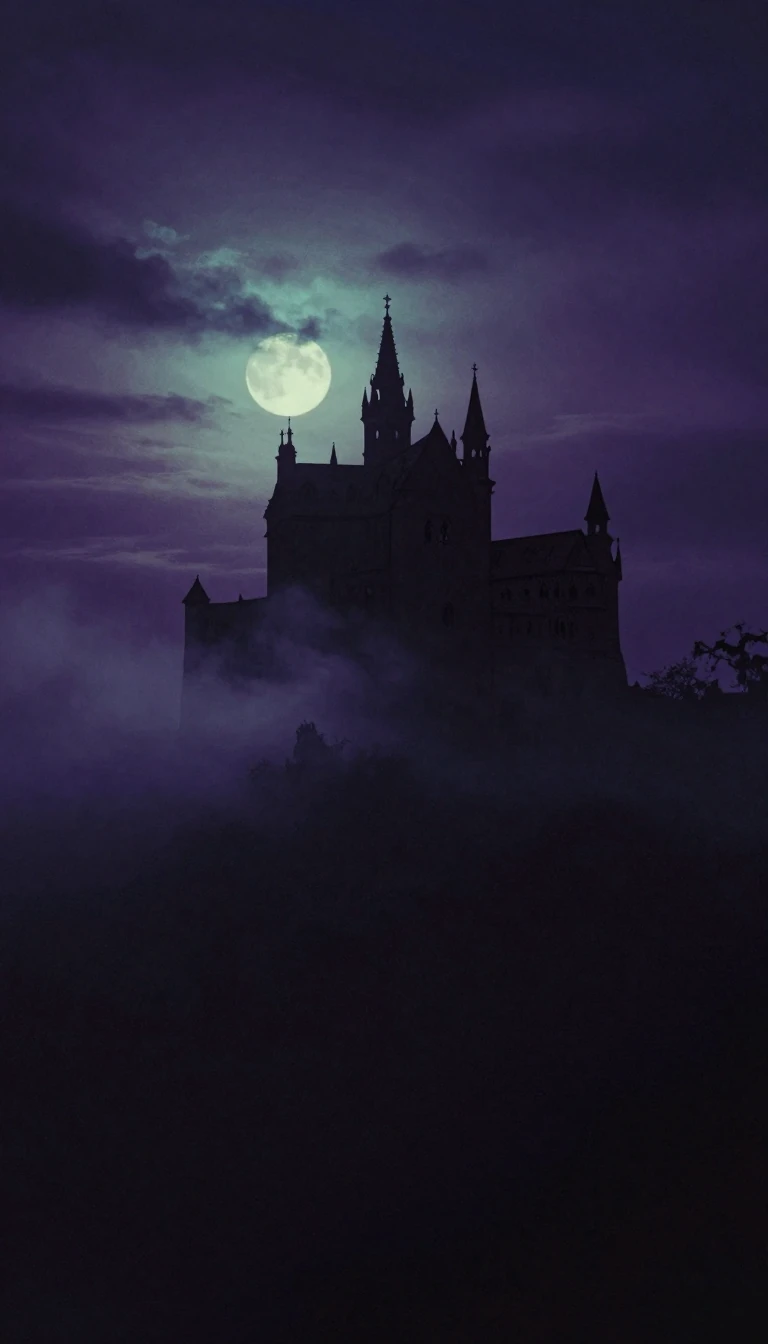
In short: Castlevania: Lords of Shadow was developed in near-total secrecy to avoid upstaging other releases. By pivoting to a 3D action-adventure format and embracing a darker, cinematic aesthetic, MercurySteam revitalized a struggling series, ultimately becoming the best-selling title in the franchise's history and sparking a new era for Spanish software development.
Released in 2010, Lords of Shadow was a radical departure for the Castlevania series. Originally greenlit as an original intellectual property, the project was eventually brought under the Castlevania umbrella after producer David Cox secured the support of Hideo Kojima. To ensure a clean break from the franchise's past, the developers shifted the gameplay to a 3D environment, focusing on a combat system centered around the Combat Cross—a retractable chain whip capable of forty unique combos. This mechanical shift was paired with a magic system that allowed players to toggle between defensive and aggressive spells, alongside large-scale titan boss battles that required players to climb and navigate the enemies' bodies.
The narrative, set in 1047, follows Gabriel Belmont, a knight of the Brotherhood of Light, as he attempts to resurrect his murdered wife, Marie. The story features a high-profile voice cast, including Robert Carlyle and Patrick Stewart, who were encouraged to develop their characters' motivations beyond the script. Despite the game's critical acclaim and its success as the franchise's best-selling entry, the transition to 3D was not universally embraced. Some fans and critics noted that the game felt derivative of other action titles, such as God of War III, and lacked the identity of the classic 2D entries. Nevertheless, the game's scope and production value—bolstered by a 120-piece orchestral score by Óscar Araujo—solidified its status as a commercial success.
The legacy of the title is complex, particularly regarding its post-launch content. While the base game was praised for its value, the two downloadable content packs, Reverie and Resurrection, were later described by David Cox as a mistake. These chapters, which conclude with Gabriel transforming into a vampire, were intended to bridge the narrative gap to the sequels, Mirror of Fate and Lords of Shadow 2. Ultimately, the game's success helped trigger a second golden age for Spanish software, proving that even a controversial reboot could redefine a long-standing cultural institution.
Opens the Intellect+ feed with this card first. Swipe up for the next one.
Sources
- Summary by Intellect · source: Castlevania: Lords of Shadow
To cite this card, link to https://intellectplus.co.uk/app/culture-castlevania-lords-of-shadow.
How we source, check and correct cards: Editorial standards.
General information, not professional advice. Spotted an error? Flag the card or see corrections and complaints.
Intellect Plus is a visual educational discovery platform for exploring fascinating facts and ideas. Brain Food, Not Brain Rot. What is Intellect Plus?
Related
More in Traditions & customs · More in Cultures · Latest · A–Z · All topics
