How a failed film project became Netflix's acclaimed adult animated horror hit
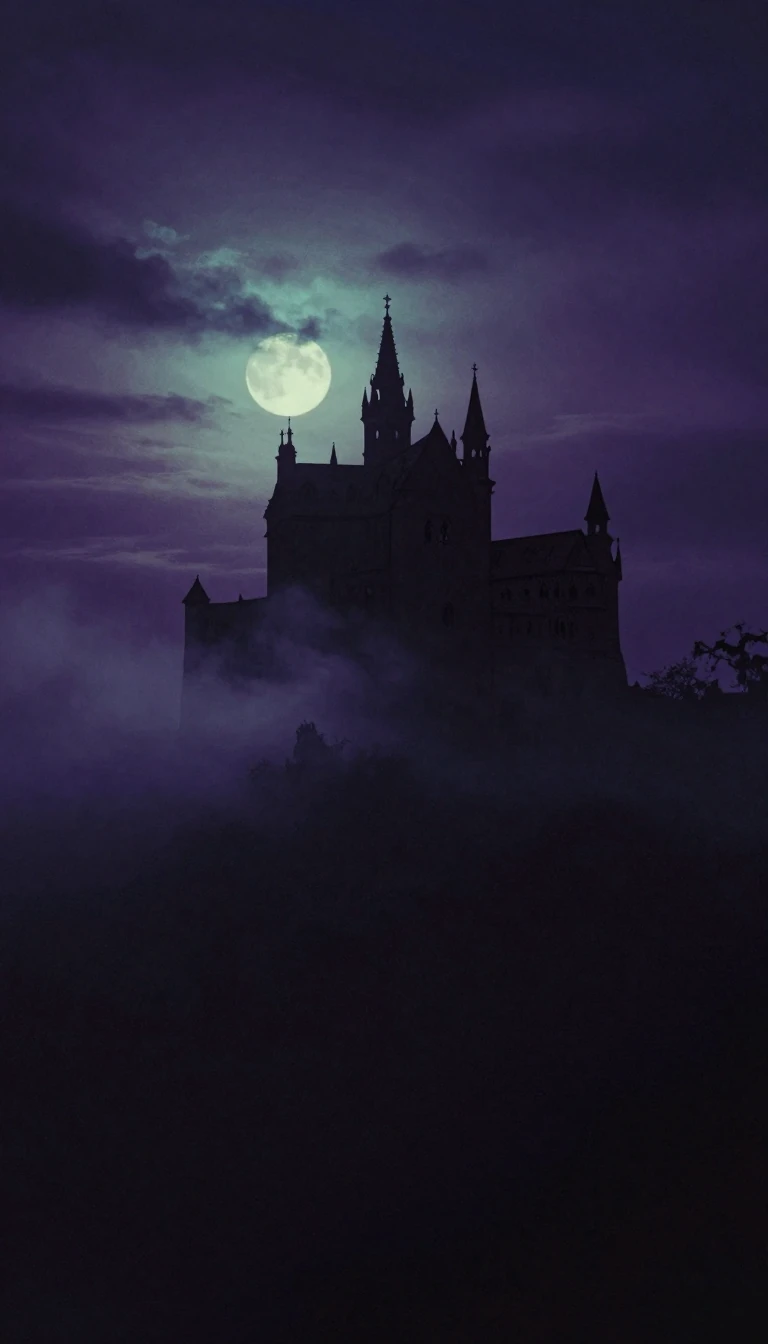
In short: Originally conceived as a direct-to-video film in 2007, the Castlevania series survived years of development hell to become a landmark of adult animation. By reframing Dracula not as a mustache-twirling villain but as a grieving, suicidal widower, the show transformed a classic video game franchise into a complex, character-driven tragedy.
The series began in 2007 when Frederator Studios acquired rights to adapt the 1989 game Castlevania III: Dracula's Curse. Writer Warren Ellis, who had no prior knowledge of the games, saw them as a Japanese reimagining of Hammer Horror films. His initial script was intended as a trilogy of 80-minute works, but the project stalled in 2008, entering a period of development hell. Even a potential live-action adaptation was rejected by producer Adi Shankar, who felt it would disrespect the source material.
When Netflix eventually greenlit the project, the production team maintained the original vision. The show draws heavily from the game series, incorporating elements from Castlevania: Curse of Darkness and the backstory of Alucard from Castlevania: Symphony of the Night. Visually, the series utilizes 2D hand-drawn animation, heavily influenced by the art of Ayami Kojima and iconic Japanese works such as Ninja Scroll, Vampire Hunter D, and the manga Berserk. This aesthetic choice, combined with a mature narrative, helped the series earn critical acclaim upon its 2017 debut.
At the heart of the show is a subversion of the traditional antagonist. Adi Shankar described Dracula’s campaign against the people of Wallachia not as a standard war, but as a suicide note. Following the false accusation and execution of his wife, Lisa Țepeș, for witchcraft, Dracula becomes a tragic figure consumed by grief. This characterization anchors the series, providing a emotional weight that balances the intense action sequences. While the show's pacing in later seasons drew a polarized response, its legacy continues through the sequel series, Castlevania: Nocturne, which shifts the focus to the French Revolution.
Opens the Intellect+ feed with this card first. Swipe up for the next one.
Sources
- Summary by Intellect · source: Castlevania (TV series)
To cite this card, link to https://intellectplus.co.uk/app/entertainment-castlevania-tv-series.
How we source, check and correct cards: Editorial standards.
General information, not professional advice. Spotted an error? Flag the card or see corrections and complaints.
Intellect Plus is a visual educational discovery platform for exploring fascinating facts and ideas. Brain Food, Not Brain Rot. What is Intellect Plus?
Related
More in Animated series & cartoons · More in Entertainment · Latest · A–Z · All topics
