How a 2005 action game expanded the dark mythology of the Castlevania universe
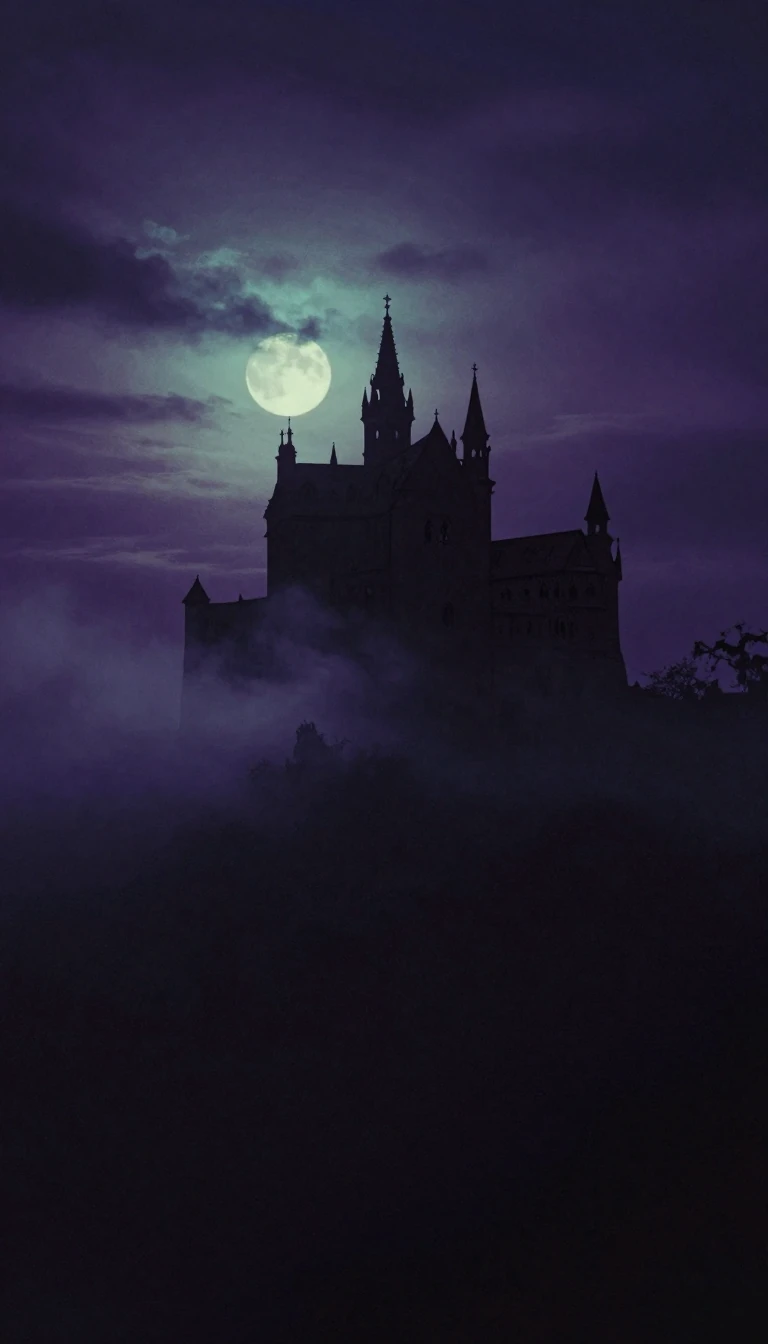
In short: Released in 2005, Castlevania: Curse of Darkness shifted the series away from its traditional castle-bound roots. By introducing Devil Forgemasters and a sprawling European map, the game explored the lingering, corrupting influence of Dracula long after his defeat, offering a unique perspective on the franchise's eternal struggle between humanity and evil.
Set in 1479, the narrative follows Hector, a former servant of Dracula who abandoned his dark master to live among humans. His path to vengeance against his rival, Isaac, is manipulated by the entity Death, who seeks to use the conflict between the two Forgemasters to resurrect the Count. This plotline, which unfolds across forests, temples, and ruins, diverges from the series' usual focus on the Belmont clan, as Hector relies on his ability to craft demonic allies known as Innocent Devils to solve puzzles and defeat enemies.
The game's mechanics marked a significant departure from its predecessor, Lament of Innocence. While the earlier title utilized a central hub, Curse of Darkness offered a more expansive world map. Combat was similarly overhauled, replacing the iconic Vampire Killer whip with a diverse arsenal of swords, spears, axes, and special weapons like gatling guns. Players could execute complex combos and finishing moves, with the depth of their offensive options scaling as they acquired more powerful equipment throughout their journey.
Critical reception was varied, with Metacritic aggregating a score of 74 out of 100. Reviewers frequently praised the intricate battle system and the musical score composed by Michiru Yamane, which notably reintroduced guitars to the series' soundscape. However, the level design faced criticism for being monotonous. Despite these mixed reviews, the game's influence persisted, inspiring a two-volume manga adaptation by Kou Sasakura and providing narrative elements—such as the Infinite Corridor and the machinations of Death—that were later adapted into the Castlevania animated television series.
The legacy of the title is further cemented by its production team, which included series veterans like producer Koji Igarashi and artist Ayami Kojima. By shifting the focus from the traditional vampire-hunting Belmonts to the morally complex Forgemasters, the game added a layer of nuance to the franchise's lore. It remains a notable entry for its attempt to blend action-adventure gameplay with a deeper, more character-driven exploration of the curse that defines the Castlevania world.
Opens the Intellect+ feed with this card first. Swipe up for the next one.
Sources
- Summary by Intellect · source: Castlevania: Curse of Darkness
To cite this card, link to https://intellectplus.co.uk/app/culture-castlevania-curse-of-darkness.
How we source, check and correct cards: Editorial standards.
General information, not professional advice. Spotted an error? Flag the card or see corrections and complaints.
Intellect Plus is a visual educational discovery platform for exploring fascinating facts and ideas. Brain Food, Not Brain Rot. What is Intellect Plus?
Related
More in Journalism and mass media · More in Cultures · Latest · A–Z · All topics
