Charlottesville is more than a symbol of political turbulence; it is a complex history.
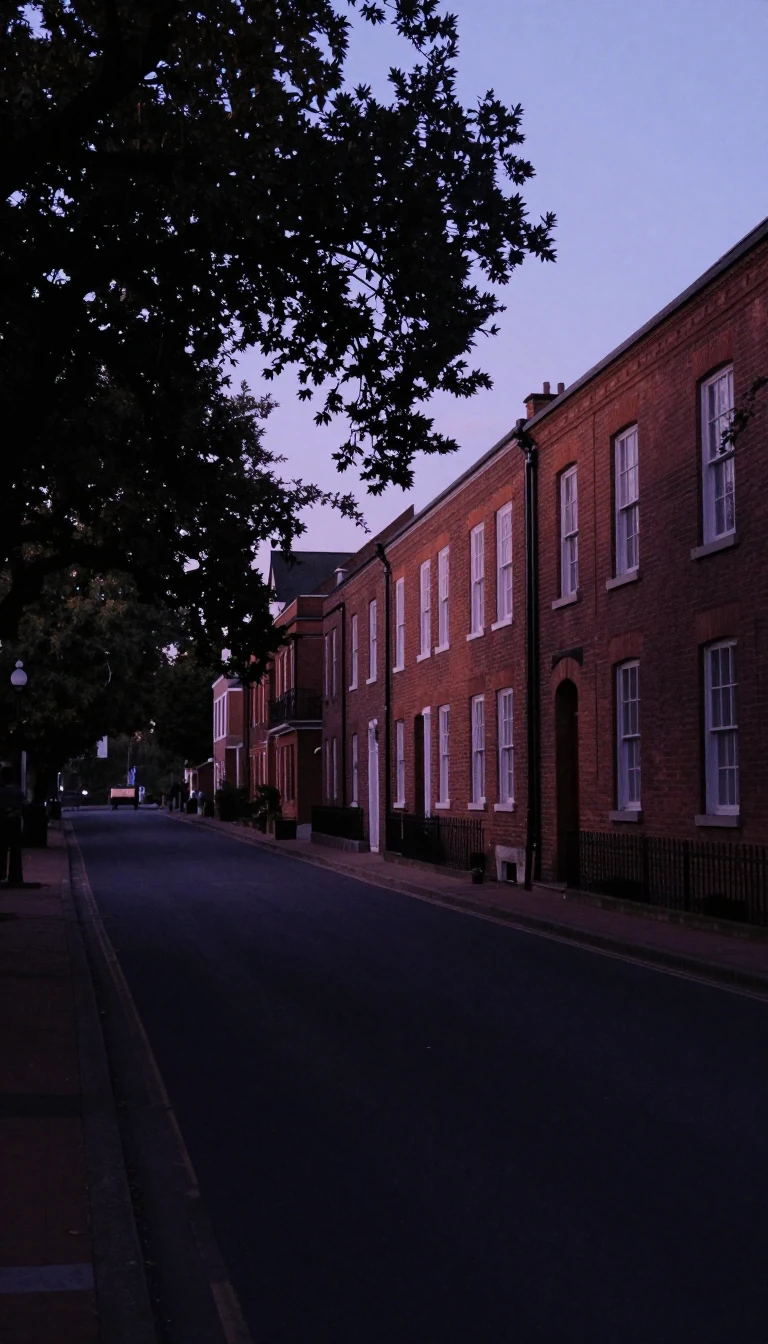
In short: Beyond its recent role as a flashpoint for national political violence, Charlottesville, Virginia, is a city defined by deep historical contradictions. From the displacement of the Monacan people to the legacy of Thomas Jefferson and the struggle against Jim Crow, this independent city remains a microcosm of American cultural evolution.
Established in 1762 and named for Queen Charlotte, Charlottesville has long occupied a central place in the American narrative. It served as the home to three U.S. presidents—Thomas Jefferson, James Madison, and James Monroe—and its landscape is dominated by the University of Virginia and the UNESCO-recognized Monticello. Yet, this intellectual and political heritage exists alongside a history of systemic exclusion. Before European settlement, the area was home to the Monacan village of Monasukapanough, whose inhabitants were forced to disperse under colonial pressure.
The city’s twentieth-century history was marked by intense racial segregation and resistance to federal integration mandates. Following the Supreme Court’s Brown v. Board of Education decision, Charlottesville closed its white schools in 1958 to avoid integration, a strategy known as the Stanley Plan. Later, in 1965, the city razed the Vinegar Hill neighborhood—a hub of Black-owned businesses and community life—under the guise of urban renewal. Despite these efforts to dismantle Black spaces, vibrant neighborhoods like Ridge Street and Fifeville persisted, maintaining strong civic and social networks.
In the 2010s, the city became a national focal point for the debate over Confederate monuments. The removal of statues depicting Robert E. Lee and Stonewall Jackson triggered intense litigation and culminated in the 2017 Unite the Right rally. The resulting violence, which claimed the life of Heather Heyer, transformed the city into a symbol of the nation's broader political polarization. Today, the city continues to navigate this legacy while serving as a hub for education, research, and a thriving indie music scene, with a population that remains significantly younger than the national average due to the constant influx of university students.
Opens the Intellect+ feed with this card first. Swipe up for the next one.
Sources
- Summary by Intellect · source: Charlottesville, Virginia
To cite this card, link to https://intellectplus.co.uk/app/culture-charlottesville-virginia.
How we source, check and correct cards: Editorial standards.
General information, not professional advice. Spotted an error? Flag the card or see corrections and complaints.
Intellect Plus is a visual educational discovery platform for exploring fascinating facts and ideas. Brain Food, Not Brain Rot. What is Intellect Plus?
Related
More in US culture · More in Cultures · Latest · A–Z · All topics
