The Chumash people mastered the open ocean with sophisticated plank canoe technology
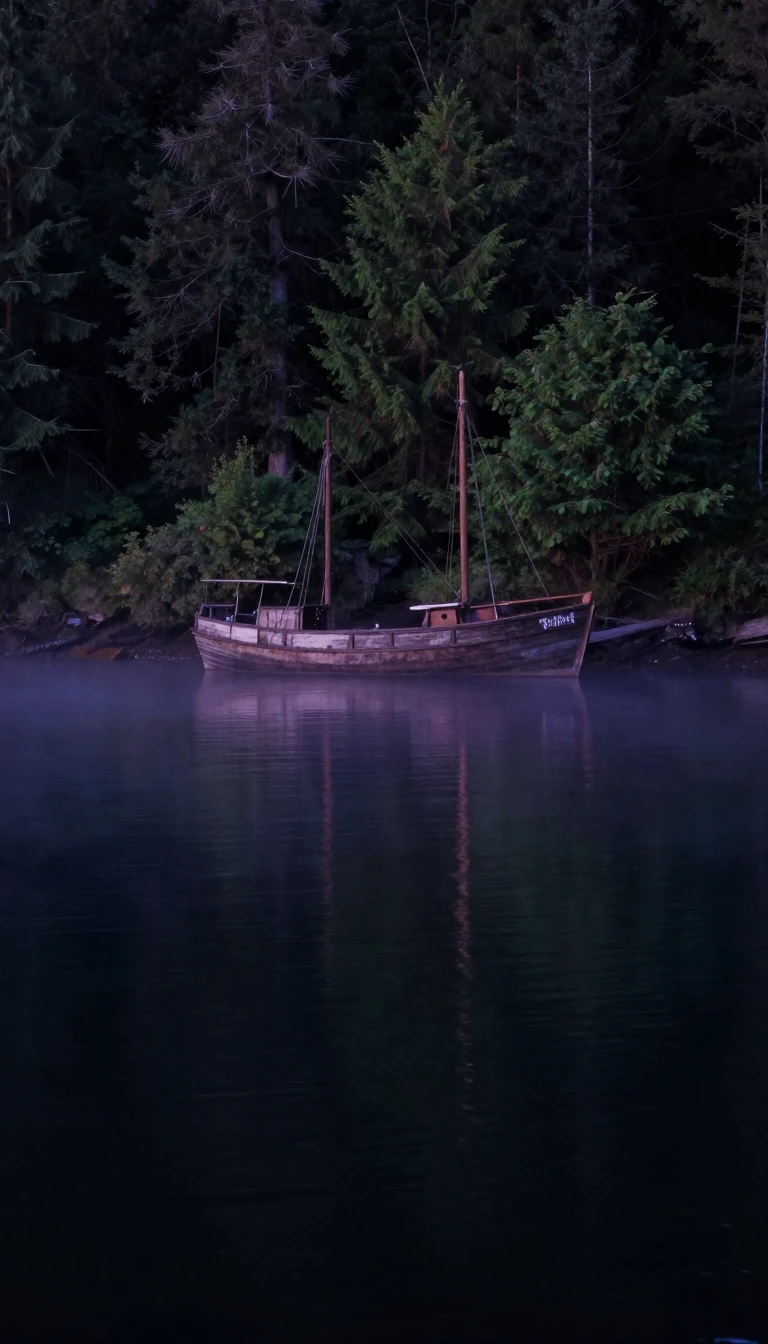
In short: Long before European contact, the Chumash thrived along the California coast by engineering advanced maritime vessels. These skilled navigators utilized specialized plank canoes to hunt large sea mammals and deep-water fish, anchoring a complex, resource-rich society that traded across vast distances, from the Channel Islands to the Arizona interior.
The Chumash people occupied a diverse territory spanning the central and southern California coast, from Malibu to Estero Bay, and included the northern Channel Islands. Their environment was exceptionally resource-abundant, characterized by a Mediterranean climate and a unique juxtaposition of marine and terrestrial habitats. This natural wealth supported a sedentary lifestyle, with over 150 independent villages existing before the mission period. These communities were organized into tribelets, which functioned as independent geopolitical units that maintained cultural connections and elaborate systems for the exchange of goods.
Central to Chumash life was the tomol, a sophisticated plank canoe that allowed for the procurement of deep-water fish and large aquatic mammals. This technology was a cornerstone of their maritime prowess, enabling coastal and island groups to specialize in harvesting species like swordfish. The abundance of marine resources, including mussels, abalone, and various clams, was supplemented by terrestrial foods through extensive trade networks. These networks were vital, connecting the island, coastal, and mainland Chumash, and extending as far as modern-day Arizona, where they traded shell beads for pottery and textiles.
The Chumash culture was deeply integrated with their environment, utilizing specialized tools for hunting, fishing, and gathering. Beyond their technological achievements, they maintained a rich cultural life that included intricate basketry, rock art, and a calendar system informed by astronomical observations. Shamans played a significant role in these practices, including the creation of arborglyphs like the scorpion tree. Their society was characterized by stability and a lack of centralized government, relying instead on local leadership and established usufruct rights to manage communal land and resources, ensuring their long-term success in the region.
Opens the Intellect+ feed with this card first. Swipe up for the next one.
Sources
- Summary by Intellect · source: Chumash | California, Native Americans, Indigenous | Britannica
- Also: Chumash people
To cite this card, link to https://intellectplus.co.uk/app/culture-chumash-people.
How we source, check and correct cards: Editorial standards.
General information, not professional advice. Spotted an error? Flag the card or see corrections and complaints.
Intellect Plus is a visual educational discovery platform for exploring fascinating facts and ideas. Brain Food, Not Brain Rot. What is Intellect Plus?
Related
More in Ethnology and anthropology · More in Cultures · Latest · A–Z · All topics
