Before it was a professional juggernaut, American football was a chaotic collegiate experiment.
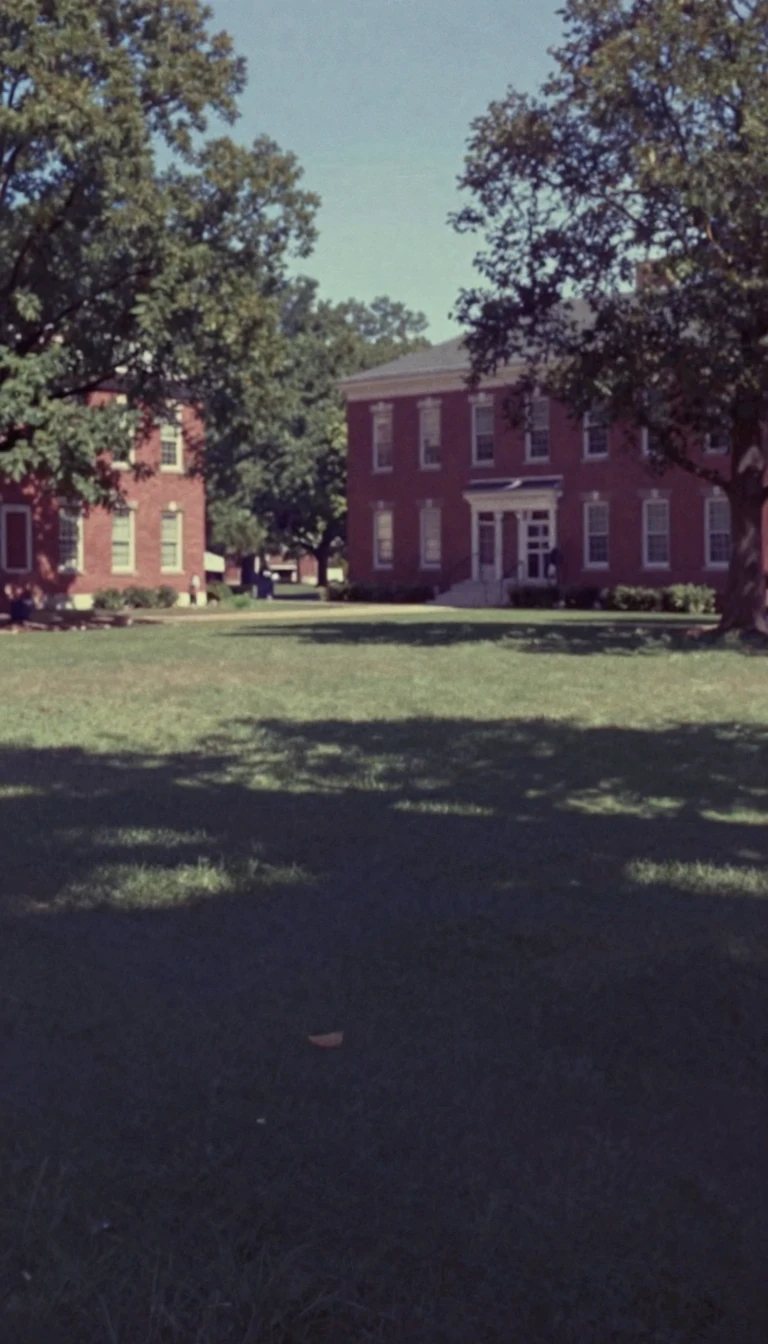
In short: College football began as a disorganized, violent pastime resembling medieval mob games. It evolved through a series of rule-bending rivalries and tactical innovations, eventually transforming from a rugby-like sport into the distinct American game we recognize today, long before the professional league became the dominant force it is now.
The origins of American football are rooted in 19th-century British public school games. In the United States, early collegiate play was often brutal, exemplified by Harvard’s 'Bloody Monday' tradition, which was eventually banned around 1860. The first official collegiate game occurred on November 6, 1869, between Rutgers and Princeton, though it played more like soccer than the modern gridiron sport. It was not until 1874, when Harvard played McGill University under Canadian-adapted rugby rules, that American students began to embrace the ability to carry the ball.
Walter Camp, widely regarded as the 'father of American football,' was the central figure in this transition. Attending the 1875 Harvard-Yale game, Camp later became a fixture at rule-making conventions. He fundamentally altered the game by reducing team sizes from 15 to 11 and establishing the line of scrimmage. When teams began exploiting these rules to stall for time, Camp introduced the down-and-distance system in 1882, requiring teams to advance five yards within three downs. These changes effectively codified the sport, separating it from its rugby roots.
As the game expanded across the United States, it became a cultural phenomenon, particularly in the South and Midwest. By the late 19th century, major rivalries were forming, and regional conferences like the Southern Intercollegiate Athletic Association were established in 1894 to organize play. While professional football eventually emerged, college football maintained its prestige and massive fan base, supported by huge stadiums that often utilized bench seating to maximize capacity. Today, the college game remains the primary pipeline for professional talent, with over 92% of NFL active rosters in 2025 consisting of former college players, despite only about 1.6% of collegiate athletes ever reaching the professional level.
Opens the Intellect+ feed with this card first. Swipe up for the next one.
Sources
- Summary by Intellect · source: College football
To cite this card, link to https://intellectplus.co.uk/app/culture-college-football.
How we source, check and correct cards: Editorial standards.
General information, not professional advice. Spotted an error? Flag the card or see corrections and complaints.
Intellect Plus is a visual educational discovery platform for exploring fascinating facts and ideas. Brain Food, Not Brain Rot. What is Intellect Plus?
Related
More in US culture · More in Cultures · Latest · A–Z · All topics
