How a clever zoning loophole created Seattle's tallest skyscraper
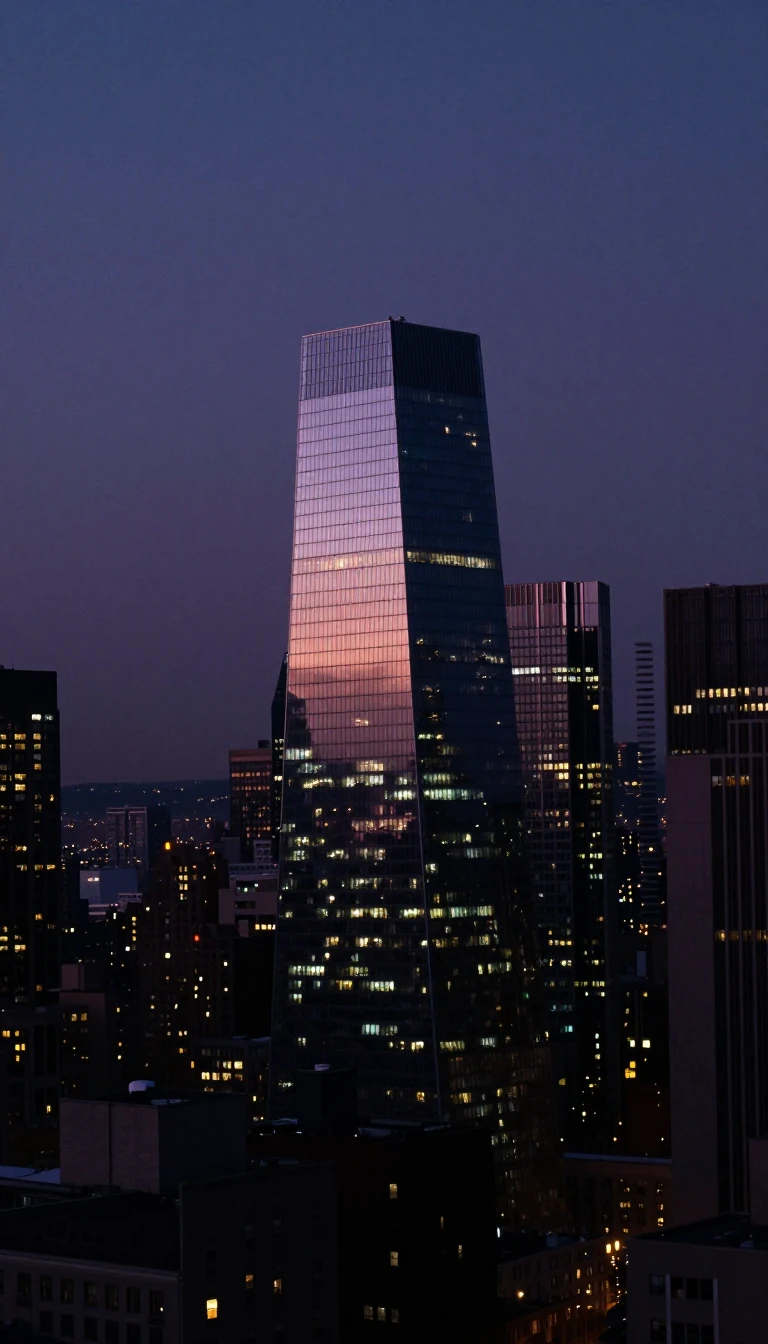
In short: When developer Martin Selig proposed the 76-story Columbia Center, city laws aimed to cap buildings at 50 stories. By exploiting a quirk in the zoning code related to the site's steep slope, he secured permits for a massive tower that remains the tallest structure in Washington state today.
Completed in 1985, the Columbia Center stands 933 feet tall in downtown Seattle. Its design by Chester L. Lindsey features three concave facades and two setbacks, giving the appearance of three towers clustered together. The project required a massive 120-foot deep excavation, removing 225,000 cubic yards of soil. Construction moved at a rapid pace of two floors per week, utilizing 16,000 short tons of steel.
The building's height was originally intended to reach 1,006 feet, but the Federal Aviation Administration intervened due to its proximity to Sea-Tac Airport. The developer navigated local height restrictions by leveraging the site's 17.1% grade on Cherry Street. Because the slope allowed three distinct stories to have direct street access, Selig utilized a retail bonus provision—an unintended loophole—to bypass the 50-story limit. This controversy eventually spurred the 1989 Citizen's Alternative Plan, which imposed stricter downtown building size regulations.
Beyond its office space, the tower serves as a landmark for public and charitable events. It houses the highest public observation deck west of the Mississippi River on the 73rd floor. The building is also the site of the LLS Firefighter Stairclimb, where 2,000 firefighters ascend 1,311 steps in full gear. A sister event, the Big Climb, draws 6,000 participants and raises over $3 million for the Leukemia and Lymphoma Society. Despite its prominence, the tower has faced financial volatility, changing ownership multiple times and enduring a 40% vacancy rate during the 2010 recession.
The building's history is marked by both commercial shifts and security concerns. Originally named the Columbia Seafirst Center, it was later rebranded as the Bank of America Tower, earning the nickname BOAT, before returning to its original name in 2005. Following the September 11 attacks, the 9/11 Commission revealed that the Columbia Center was a target in the original hijacking plot. Today, it remains a central fixture of the Seattle skyline, though its private club on the top floors is slated for closure in April 2026.
Opens the Intellect+ feed with this card first. Swipe up for the next one.
Sources
- Summary by Intellect · source: Columbia Center
To cite this card, link to https://intellectplus.co.uk/app/culture-columbia-center.
How we source, check and correct cards: Editorial standards.
General information, not professional advice. Spotted an error? Flag the card or see corrections and complaints.
Intellect Plus is a visual educational discovery platform for exploring fascinating facts and ideas. Brain Food, Not Brain Rot. What is Intellect Plus?
Related
More in US culture · More in Cultures · Latest · A–Z · All topics
