Twenty-five years after 9/11, the attacks continue to reshape American life and politics
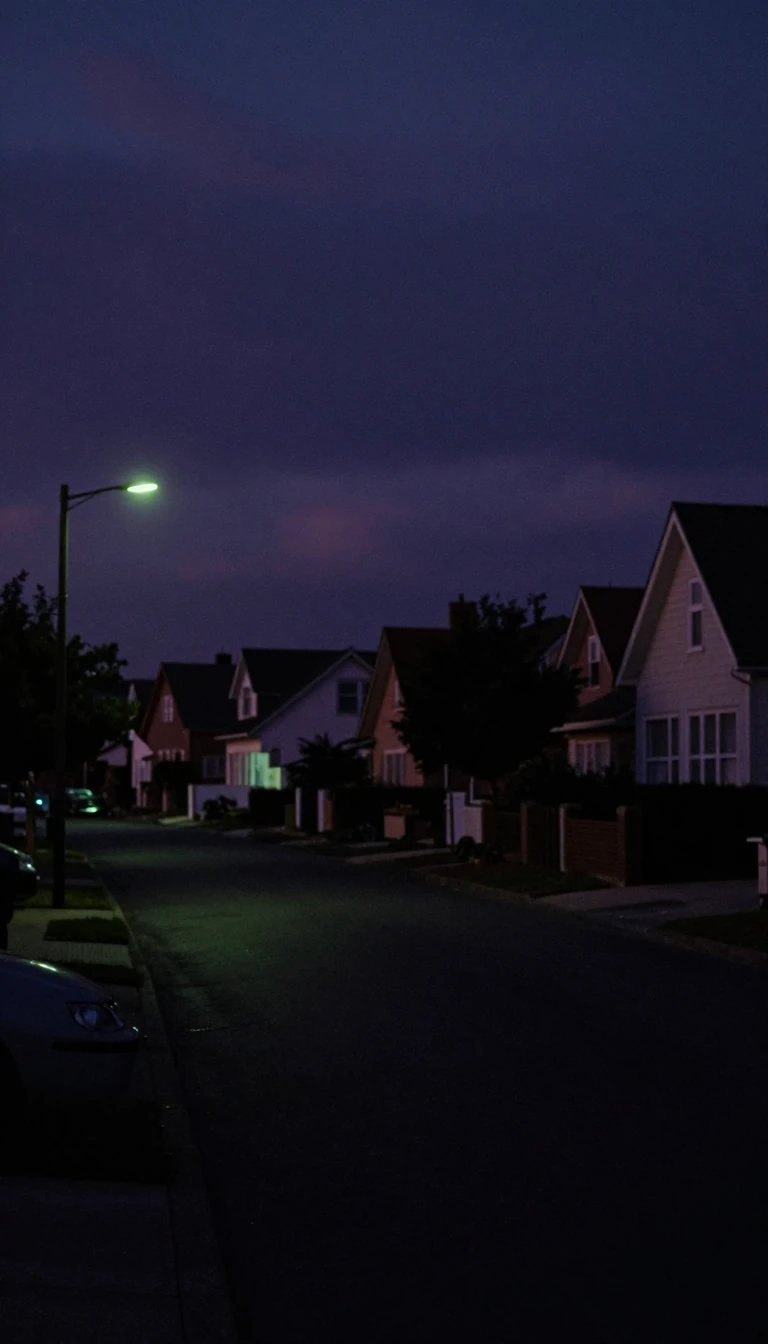
In short: The September 11 attacks did not just end an era of prosperity; they fundamentally altered American surveillance, foreign policy, and social discourse. From the rise of new government agencies to the persistent, complex legacy of Islamophobia, the nation remains caught in the long shadow of that morning twenty-five years later.
The immediate aftermath of the attacks saw a brief, intense period of national unity, with President George W. Bush’s approval rating reaching an unprecedented 91%. However, this unity masked deep-seated tensions. While the administration initially urged citizens to maintain normalcy, the government simultaneously launched a global war on terror that prioritized security over risk tolerance. This shift led to the creation of agencies like ICE and the implementation of pervasive surveillance, such as facial recognition at airports and license plate logging.
Culturally, the attacks acted as a flashpoint for long-standing anxieties regarding immigration, religious fundamentalism, and global connectivity. Literature and film began to process this trauma, moving from initial grief to more complex allegories of loss and identity. Yet, the political response also fostered a climate where Islamophobia became a normalized form of bigotry. Despite the increased visibility of Muslim Americans in political life, polling data indicates that the percentage of Americans who believe Islam encourages violence has risen from 25% in 2002 to 51% today.
This environment has created a narrow space for public discourse. Muslim Americans often face pressure to reassure rather than critique, finding it difficult to participate fully in debates regarding foreign policy or law enforcement. As the country reflects on the last quarter-century, the legacy of 9/11 remains a contested space. It serves as both a historical rupture and a lens through which Americans view subsequent crises, such as the COVID-19 pandemic, forcing a continuous negotiation of what it means to practice democracy in an interconnected, yet deeply divided, world.
Opens the Intellect+ feed with this card first. Swipe up for the next one.
Sources
- Summary by Intellect · source: How the Sept. 11 attacks remade life in America
- Also: What 9/11 Changed: Reflecting on the Cultural Legacy of the Attacks, 20 Years On
- Also: Cultural impact of the September 11 attacks
To cite this card, link to https://intellectplus.co.uk/app/culture-cultural-impact-of-the-september-11-attacks.
How we source, check and correct cards: Editorial standards.
General information, not professional advice. Spotted an error? Flag the card or see corrections and complaints.
Intellect Plus is a visual educational discovery platform for exploring fascinating facts and ideas. Brain Food, Not Brain Rot. What is Intellect Plus?
Related
More in US culture · More in Cultures · Latest · A–Z · All topics
