Why Europe is a mosaic of 160 distinct cultures rather than a monolith
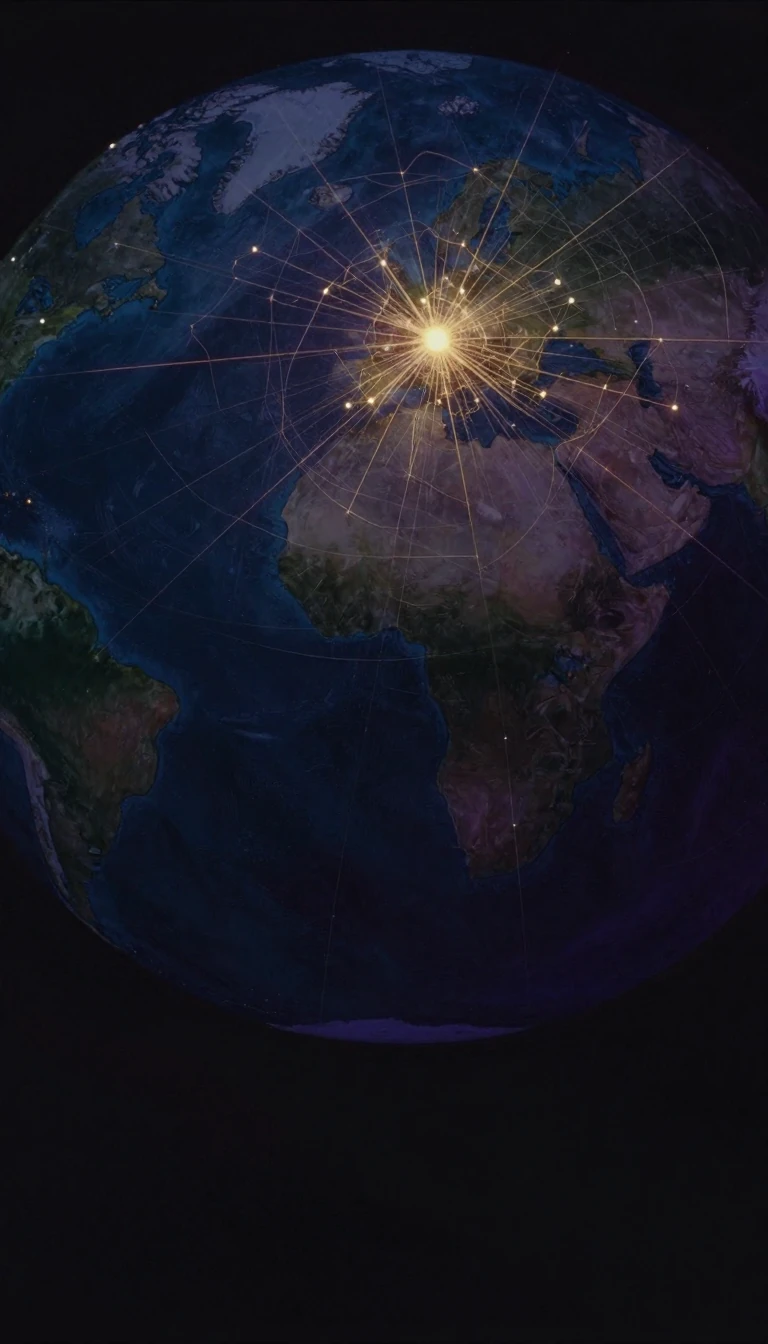
In short: Europe is defined not by a single identity, but by a dense, ancient patchwork of 160 distinct cultural groups. Shaped by geography and long-standing territorial boundaries, these groups often share languages or religions yet maintain deep, historical separations that defy simple categorization or modern attempts at total unification.
Europe’s cultural landscape is a product of its deep history. Modern humans arrived between 45,000 and 43,000 years ago, followed by millennia of migration. Unlike newer nations, Europe’s population remained relatively immobile for centuries, allowing distinct linguistic and national core areas to form, isolated by mountains, forests, and marshes. This long-term habitation created a continent of 160 culturally distinct groups, each defined by self-recognition and, for most, a specific territorial homeland.
Identity in Europe is rarely straightforward. While many groups define themselves through language, others share a common tongue but remain divided by religion or historical path. For example, Serbs, Bosniaks, and Croats speak the same language but identify it differently based on their religious and cultural affiliations. Similarly, the Walloons of Belgium and the Jurassiens of Switzerland speak French but do not identify as French, as their histories developed entirely outside France’s borders. Such divisions are so profound that they can lead to the dissolution of states, as seen when Czechoslovakia split into the Czech Republic and Slovakia in 1993.
Ethnographers have organized these groups into roughly 21 culture areas based on language and proximity. However, these groupings are often academic; while Scandinavians and Germans may recognize their regional civilizations, other areas, particularly in the Balkans, lack such collective awareness. Even as modern political structures like the European Union attempt to create wider associations, the continent remains marked by fundamental east-west differences and a persistent, complex internal diversity that resists being reduced to a single, all-embracing concept.
Opens the Intellect+ feed with this card first. Swipe up for the next one.
Sources
- Summary by Intellect · source: Europe - Migration, Ethnicity, Religion | Britannica
- Also: Culture of Europe
To cite this card, link to https://intellectplus.co.uk/app/culture-culture-of-europe.
How we source, check and correct cards: Editorial standards.
General information, not professional advice. Spotted an error? Flag the card or see corrections and complaints.
Intellect Plus is a visual educational discovery platform for exploring fascinating facts and ideas. Brain Food, Not Brain Rot. What is Intellect Plus?
Related
More in Culture · More in Cultures · Latest · A–Z · All topics
