Is Asia a single culture or a vast, interconnected web of distinct civilizations?
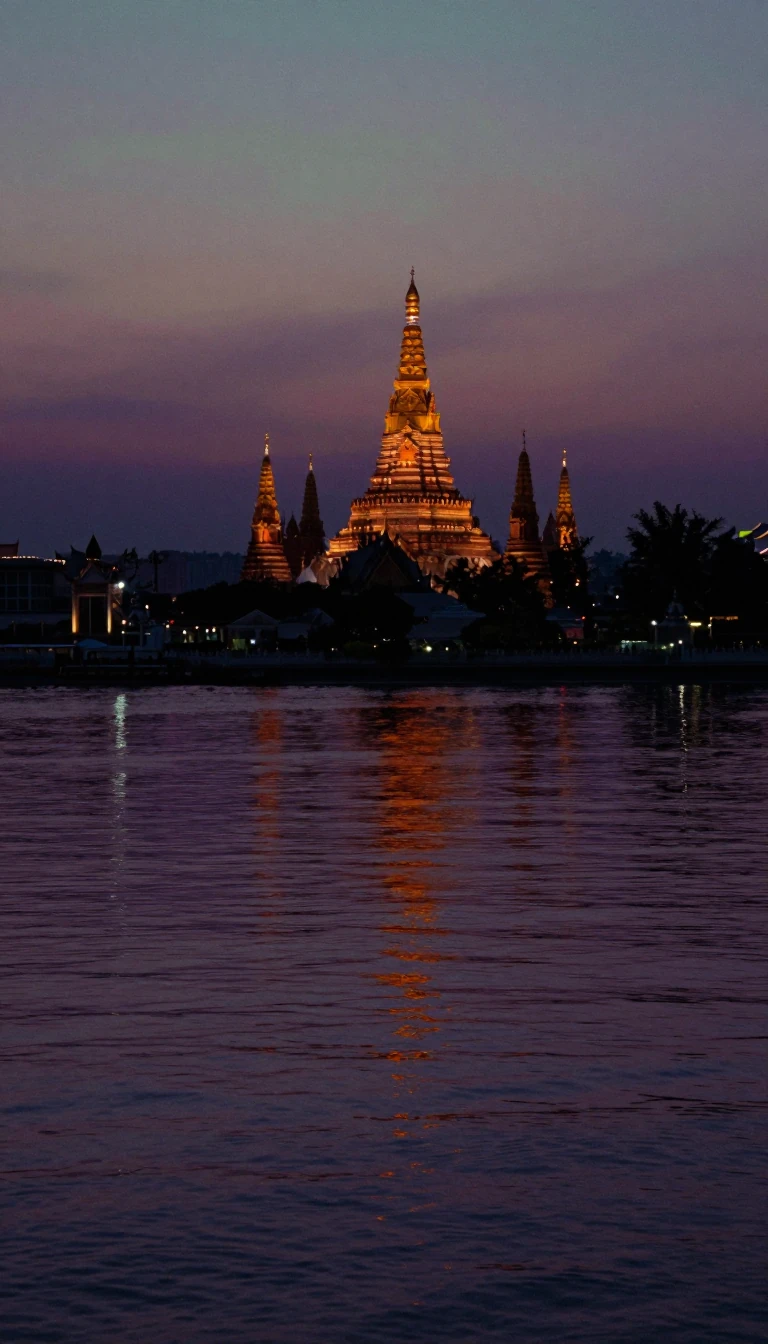
In short: Asia is the world's largest and most populous continent, home to ancient river valley civilizations and the origins of major global religions. While its immense size and rugged geography historically isolated various groups, trade networks eventually wove these diverse regions into a complex, syncretic tapestry of shared ideas and traditions.
Defining a singular Asian culture is complicated by the continent's colossal diversity. Geographers typically divide Asia into six sub-regions: Central, East, North, South, Southeast, and West Asia. These regions are characterized by relative ethnic, religious, and linguistic commonalities, yet they are not mutually exclusive. Cultural spheres often overlap, reflecting a history of migration, trade, and syncretism that has persisted since prehistory.
The continent's cultural development is tied to its ancient cradles of civilization, such as the Indus Valley and the Yellow River. In East Asia, the Chinese tributary system and the spread of Confucianism, Taoism, and Buddhism created a cohesive sphere that influenced Korea, Japan, and Vietnam. Meanwhile, Southeast Asia acted as a maritime crossroads, absorbing and adapting influences from both India and China, resulting in unique architectural achievements like Borobudur and Angkor Wat.
South Asia, centered on the Indian subcontinent, transitioned from the urban Harappan culture to the rural, text-based Vedic tradition. This shift laid the foundation for Hinduism and Buddhism, which later diffused across the continent. Similarly, West Asia—the birthplace of the Abrahamic faiths—has profoundly impacted global history. Despite the harsh environments of deserts and mountain ranges, these regions were linked by vast road and sea networks, allowing ideas to flow across the continent for millennia.
Today, these cultural spheres continue to evolve. While modern political borders and colonial legacies have left their mark, the underlying traditions—from the stilt houses of Southeast Asia to the philosophical depth of the Vedas—remain vital. Whether one views Asia as a collection of distinct entities or a unified, Pan-Asian character, its history is a testament to the human capacity to overcome vast distances to share and refine aesthetic, artistic, and moral ideas.
Opens the Intellect+ feed with this card first. Swipe up for the next one.
Sources
- Summary by Intellect · source: Culture of Asia
- Also: The Met — Asia · CC0
To cite this card, link to https://intellectplus.co.uk/app/culture-culture-of-asia.
How we source, check and correct cards: Editorial standards.
General information, not professional advice. Spotted an error? Flag the card or see corrections and complaints.
Intellect Plus is a visual educational discovery platform for exploring fascinating facts and ideas. Brain Food, Not Brain Rot. What is Intellect Plus?
Related
More in Culture · More in Cultures · Latest · A–Z · All topics
