Indonesia’s cultural tapestry weaves ancient Hindu-Buddhist empires with modern, rebellious literary and musical voices.
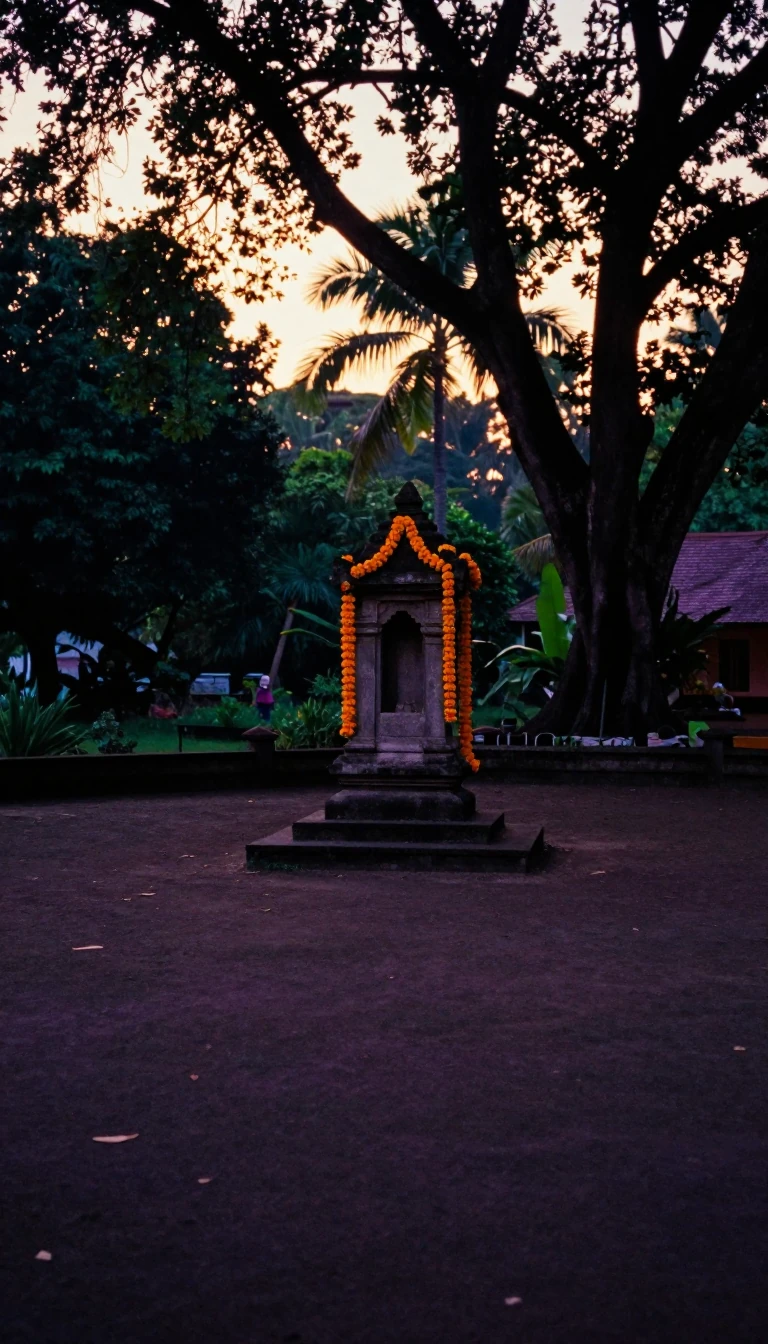
In short: Indonesia is a vast archipelago where ritualized epic narratives and ancient temple architecture coexist with vibrant urban pop culture. From the 9th-century Buddhist monument of Borobudur to the politically charged literary movements of the 20th century, the nation’s heritage is a complex, evolving fusion of indigenous, religious, and colonial influences.
The cultural landscape of Indonesia is defined by its immense diversity, spanning remote interior regions with unique oral traditions to the dense, cosmopolitan cities. In Java and Bali, the visual and performing arts remain deeply rooted in the Hindu epics Mahabharata and Ramayana. This historical depth is physically manifested in monumental structures like the 9th-century Buddhist site of Borobudur and the Hindu temple complex at Prambanan, both of which represent the architectural legacy of the Shailendra and Mataram dynasties.
As the archipelago’s power shifted toward eastern Java between the 10th and 16th centuries, Hinduism and Buddhism gradually gave way to the ascendancy of Islam. This transition reshaped the cultural milieu, blending architectural styles and religious practices. Despite these shifts, Indonesia maintained a wealth of verbal art, including the witty quatrains known as pantun and the metric, melodic macapat songs that recount ancient tales. These traditions often form the foundation for complex, mixed-genre performances like the randai of western Sumatra, which integrates music, dance, and martial arts.
Modern Indonesian culture has frequently navigated the tension between tradition and political expression. In the 1930s, the journal Poedjangga Baroe emerged to promote a modern, nationalist identity, a movement later transformed by the intense, rebellious poetry of Chairil Anwar in the 1940s. Throughout the latter half of the 20th century, writers like Mochtar Lubis and Pramoedya Ananta Toer faced imprisonment for their nonconformity under the Sukarno and Suharto regimes. Yet, the nation’s literary and musical spirit remained resilient, with journals like Horison and Kalam continuing to document the evolving intellectual life of the country.
Opens the Intellect+ feed with this card first. Swipe up for the next one.
Sources
- Summary by Intellect · source: Indonesia - Diversity, Arts, Cuisine | Britannica
- Also: Culture of Indonesia
To cite this card, link to https://intellectplus.co.uk/app/culture-culture-of-indonesia.
How we source, check and correct cards: Editorial standards.
General information, not professional advice. Spotted an error? Flag the card or see corrections and complaints.
Intellect Plus is a visual educational discovery platform for exploring fascinating facts and ideas. Brain Food, Not Brain Rot. What is Intellect Plus?
Related
More in Culture · More in Cultures · Latest · A–Z · All topics
