Iraq is the cradle of civilization, where humanity first put words on clay tablets.
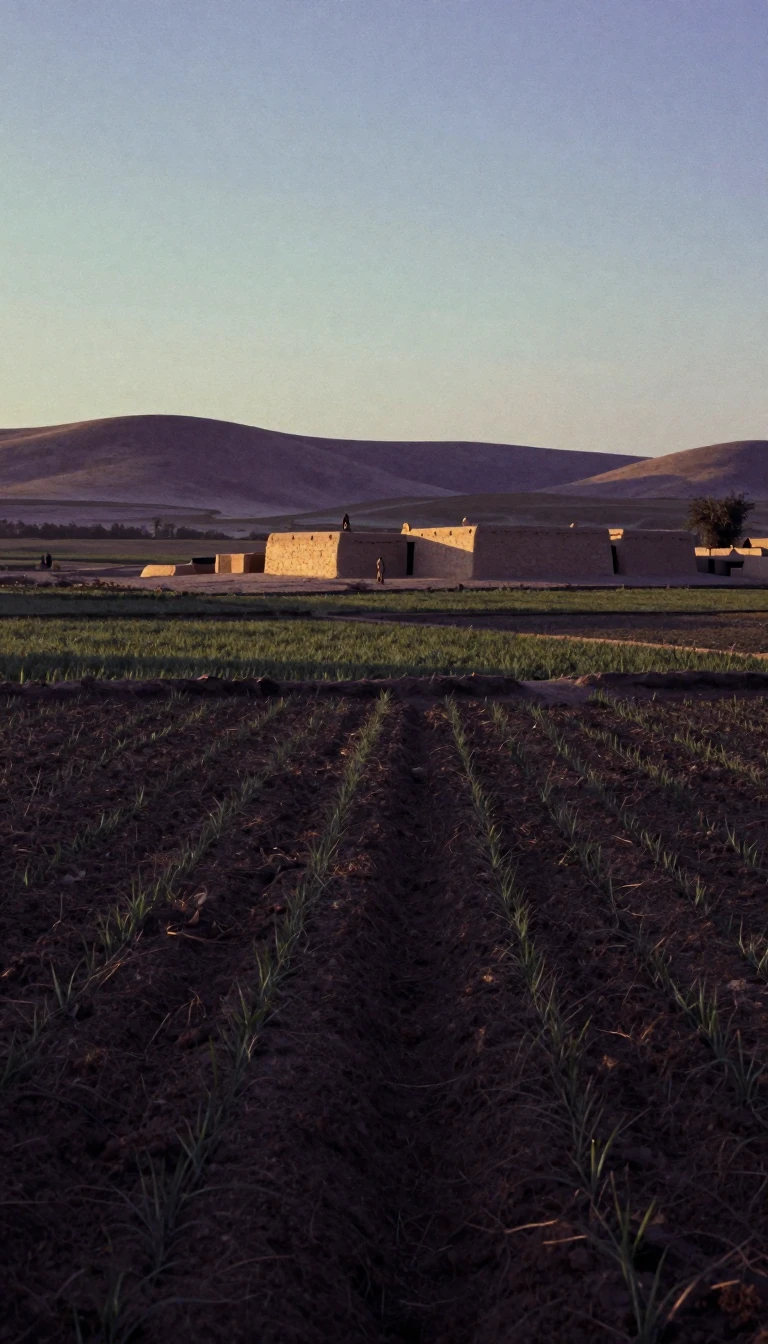
In short: Between the Tigris and Euphrates rivers lies a cultural legacy that invented writing, law, and mathematics. From ancient Sumerian epics to the intellectual zenith of the Abbasid Caliphate, Iraq’s history is a tapestry of world-changing innovation, sophisticated art, and a poetic tradition that remains the heartbeat of its national identity.
Mesopotamia, the region now known as Iraq, is widely recognized as the cradle of civilization. Its influence on the Old World is profound, spanning the invention of writing, complex mathematics, and early legal systems. The Sumerian language, a language isolate, produced the earliest known written records during the 'proto-literate' period between c. 3300 and 3000 BC. By the 30th century BC, the Sumerians had developed cuneiform, a writing system that persisted in literary and official use long after the spoken language faded.
The literary tradition of the region is anchored by the Epic of Gilgamesh, the earliest surviving notable literature. Originating from five Sumerian poems about the king of Uruk dating to c. 2100 BCE, the story evolved through Akkadian and Babylonian versions. The most complete iteration, the Standard Babylonian version, was compiled by Sîn-lēqi-unninni between the 13th and 10th centuries BCE. This intellectual depth continued into the Islamic Golden Age, when Baghdad became a global 'Centre of Learning' under the Abbasid Caliphate, housing the House of Wisdom and fostering a sophisticated scholarly consciousness.
Iraqi culture today remains a vibrant synthesis of its diverse ethnic and religious groups, including Arabs, Kurds, and Turkmen. This heritage is expressed through world-class architecture, a rich oral tradition of maqam music—recognized by UNESCO as intangible heritage—and a culinary history that traces back 10,000 years to the first recorded recipes. Despite the disruptions of the 20th and 21st centuries, institutions like the National Museum of Iraq and festivals such as the Babylon International Festival continue to preserve and showcase this enduring legacy.
Opens the Intellect+ feed with this card first. Swipe up for the next one.
Sources
- Summary by Intellect · source: Culture of Iraq
To cite this card, link to https://intellectplus.co.uk/app/culture-culture-of-iraq.
How we source, check and correct cards: Editorial standards.
General information, not professional advice. Spotted an error? Flag the card or see corrections and complaints.
Intellect Plus is a visual educational discovery platform for exploring fascinating facts and ideas. Brain Food, Not Brain Rot. What is Intellect Plus?
Related
More in Culture · More in Cultures · Latest · A–Z · All topics
